You have probably had this experience. You were certain you were right about something. Then later, you realized you were wrong. You looked back and wondered: how did I not see that?
You make a decision that seems obvious at the time. Months later, you cannot understand why you chose it. You hold a belief that feels like common sense. Then you encounter new information and realize it was never as solid as you thought.
The hardest person to understand is often yourself. Self-awareness begins when you start questioning the stories you tell yourself.
Awakening to Human Nature by Owen Pierce
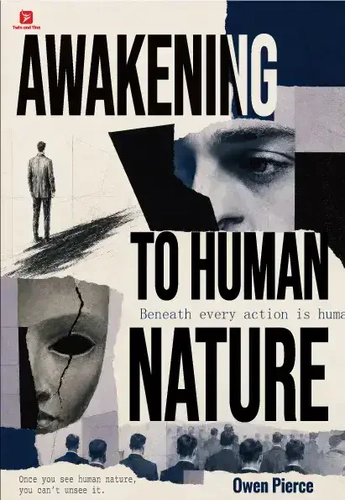
Why your own motives are harder to see than you think
Most people assume they know why they do what they do. They believe their decisions are rational, their judgments are fair, and their motives are clear.
Pierce argues that this assumption is often wrong. Many decisions are shaped by forces that operate beneath awareness: fear, ego, insecurity, status, and the desire for approval. A person who says they want success may actually be trying to prove something to themselves or others. A person who avoids confrontation may not be peaceful. They may be protecting themselves from discomfort. A person who clings to a belief may not be principled. They may be defending their identity.
The book helps you see the gap between the stories you tell yourself and the actual forces driving your behavior.
What you will learn:
- Why your motives are not always obvious to you
- How ego and insecurity shape your decisions
- How to recognize your own blind spots
- How to see past the stories you tell yourself
Who should read this: Anyone who has ever wondered why they do things they cannot fully explain.
Thinking, Fast and Slow by Daniel Kahneman
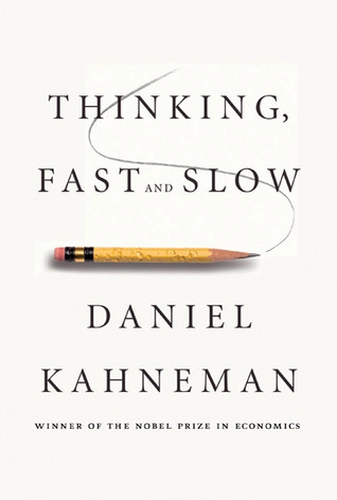
Why your brain makes confident mistakes
Most people assume that when they make a decision, they are thinking clearly. Kahneman, a Nobel-winning psychologist, shows that this assumption is often wrong.
The human brain has two systems. One is fast, automatic, and emotional. The other is slow, deliberate, and logical. Most of the time, decisions are made by the fast system and rationalized later by the slow system. A person who hires someone because they “feel right” is not making a careful judgment. They are relying on a mental shortcut. A person who overestimates their ability is not being dishonest. They are experiencing a cognitive bias that affects almost everyone.
Kahneman helps you see the gap between what you think you know and what you actually know.
What you will learn:
- How mental shortcuts lead to predictable errors
- Why people are overconfident in their own judgments
- How emotions shape decisions more than people realize
- How to recognize when your brain is taking shortcuts
Who should read this: Anyone who has ever been sure they were right and later found out they were wrong.
The Scout Mindset by Julia Galef
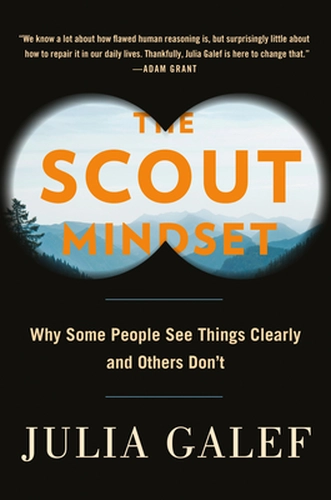
How to question your beliefs without losing yourself
Most people approach information like soldiers. They defend their positions. They seek evidence that confirms what they already believe. They ignore or dismiss information that challenges their views.
Galef argues that a different approach is possible. The scout mindset seeks truth, even when the truth is uncomfortable. A scout asks: what is actually happening here? Not: how do I prove I am right?
This does not mean you should never hold strong opinions. It means you should be willing to update them when new evidence appears. It means you should separate your identity from your beliefs. If you are wrong, it does not mean you are a failure. It means you learned something.
What you will learn:
- How to separate identity from beliefs
- Why people resist changing their minds
- How to seek truth instead of defending positions
- How to update your worldview without losing yourself
Who should read this: Anyone who has ever struggled to admit they were wrong.
How these books change the way you see yourself
These three books work together to help you see what you could not see before.
The first book helps you understand your hidden motives. You see the gap between your stated reasons and your actual drivers.
The second book helps you understand your thinking errors. You see why your brain makes mistakes you do not notice.
The third book helps you question your beliefs without losing yourself. You learn to update your worldview instead of defending it.
Together, they help you stop assuming you already know yourself and start seeing the parts you have been missing.
FAQ
Why should you question yourself?
Because your own assumptions, biases, and blind spots shape your decisions more than you realize. Questioning yourself helps you make better choices and understand your own behavior.
How do books change the way you think?
A good book does not just give you new information. It gives you a new framework for interpreting information you already have.
What books help with self-awareness?
Books that challenge your assumptions, explain hidden psychological forces, and help you recognize your own thinking patterns.
How do you become more self-aware?
Start by questioning the stories you tell yourself. Pay attention to moments when your decisions do not match your stated values. Notice when you feel defensive. Those are clues.
