You know the books I am talking about.
The ones with the bold fonts and the promise to change your life in seven easy steps. The ones that tell you to believe in yourself, visualize success, and wake up at 5 AM. The ones you buy with good intentions and never finish—because once you have read one, you have read them all.
Self-help is not the same as smart.
Self-help makes you feel better about yourself. Smart makes you see the world differently. Self-help gives you motivation. Smart gives you frameworks. Self-help tells you to believe. Smart asks you to think.
If you are ready to stop reading the same recycled advice and start reading books that actually make you smarter, here are five that do exactly that.
1. How to Read Someone’s Mind by Miles Carter
The smarter way to understand people—without the fluff.
Most books about people fall into the self-help trap. They tell you to be empathetic, to listen more, to assume the best. That is all fine. It is also incomplete.
Carter does not tell you to be nicer. He teaches you to notice patterns. Tone shifts. Hesitation. Inconsistency between words and actions. The gap between what someone says and what they actually communicate.
This book trains you to read people in real time—not by memorizing gestures, but by paying attention to what most people ignore. It gives you a framework that works in conversations, relationships, and professional settings.
You will start seeing things you used to miss. And once you see them, you cannot unsee them. That is the definition of getting smarter.
For anyone who wants to understand people better—without the motivational platitudes.
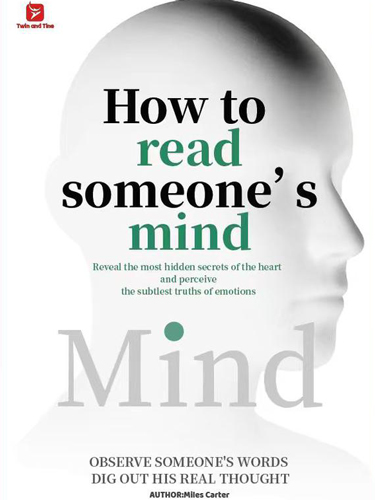
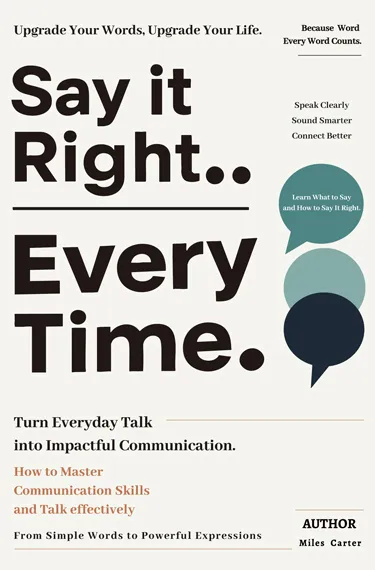
How to Read Someone’s Mind
Miles CarterPractical tools for reading body language, tone, and hidden intentions in real time. Spot what people aren’t saying — before you trust the wrong person.
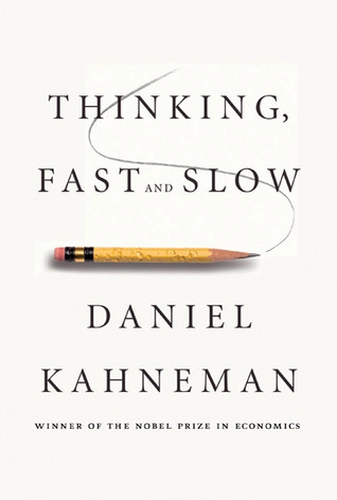
2. Thinking, Fast and Slow by Daniel Kahneman
The book that rewires how you think about thinking.
Kahneman is a Nobel Prize-winning psychologist who spent decades studying how the human mind actually works. His conclusion is uncomfortable: most of your decisions are not made by the rational part of your brain. They are made by a fast, automatic, emotional system that operates below your awareness.
You think you are rational. You are not.
The book explains the two systems that drive human thinking. System 1 is fast, intuitive, and emotional. System 2 is slow, deliberate, and logical. Most of your decisions are made by System 1. System 2 only shows up when System 1 cannot figure it out.
Once you understand this, you stop trusting your first instinct so confidently. You start catching yourself before you make a bad decision. You start seeing the biases in others—and in yourself.
For anyone who wants to understand why even smart people make bad decisions.
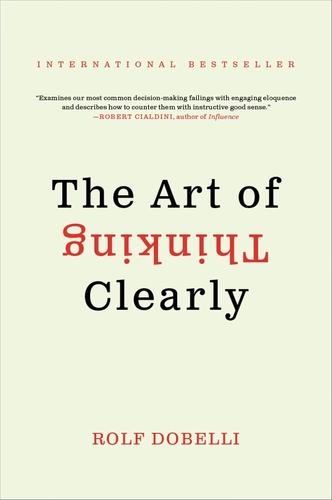
3. The Art of Thinking Clearly by Rolf Dobelli
A catalog of cognitive biases—and why we fall for them.
Dobelli’s book is a collection of cognitive biases: the systematic errors in human thinking that cause you to misjudge situations, overestimate your abilities, and make decisions you later regret.
Confirmation bias. Overconfidence. Sunk cost fallacy. Social proof. The book covers dozens of them, each explained in a short, punchy chapter that takes just a few minutes to read.
What makes this book essential is the practical application. You will recognize these biases in yourself in real time. You will catch yourself making a decision based on the wrong thing. You will start asking better questions.
For anyone who wants to stop making the same dumb mistakes.
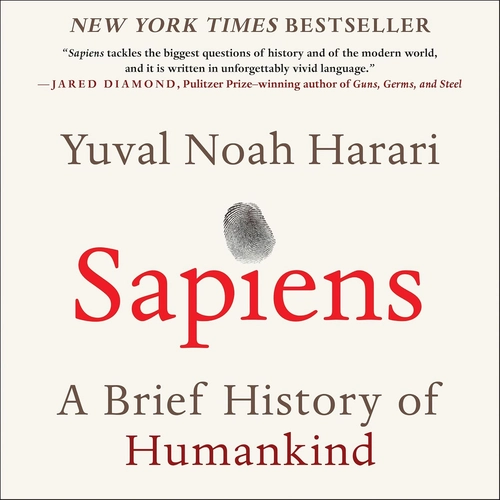
4. Sapiens by Yuval Noah Harari
The story of how we got here—and why we believe what we believe.
Most history books are about facts. This one is about ideas. Harari argues that humans dominate the world because we can believe in things that do not exist: money, religion, nations, laws, corporations. These are all inventions. We agreed to believe in them. And that agreement is what makes civilization possible.
What makes this book smart is not the history. It is the questions it asks. Why do we believe what we believe? Why do we organize ourselves the way we do? Why do we care about things that are not real?
Once you read this book, you will never take the world for granted again. You will see the stories behind the structures. And that changes everything.
For anyone who wants to understand why the world works the way it does.
5. The Elephant in the Brain by Kevin Simler and Robin Hanson
What if your “good” motives are covering up selfish ones?
This book argues that many of our most noble-sounding motives—charity, education, art, even medicine—are shaped by self-interest we are not aware of.
You are not as good as you think. Neither is anyone else. And that is okay.
What makes this book smart is the honesty. It does not condemn self-interest. It simply shows you how it works. Once you see it, you cannot unsee it. You stop being naive about why people do what they do—including yourself.
For anyone who wants to understand the hidden motives behind human behavior.
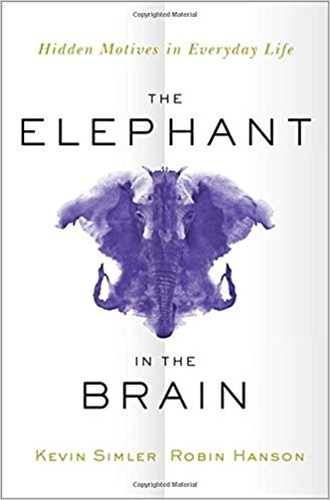
These five books each approach the question differently. Carter teaches you to read people. Kahneman rewires how you think about thinking. Dobelli catalogs the biases that keep you stuck. Harari shows you the stories humans live by. Simler and Hanson expose the motives you did not know you had.
None of them tell you to believe in yourself. All of them make you smarter.
If you are ready to stop reading advice and start thinking clearly, start with the one that changes how you see people.
| Best for | |
|---|---|
| How to Read Someone’s Mind | Reading people without the fluff |
| Thinking, Fast and Slow | Rewiring how you think |
| The Art of Thinking Clearly | Stopping cognitive biases in real time |
| Sapiens | Understanding the stories we live by |
| The Elephant in the Brain | Seeing hidden motives—including your own |
Frequently Asked Questions
What is the difference between a self-help book and a smart book?
Self-help tells you what to believe. Smart books show you how to think. One is about motivation. The other is about frameworks.
Do I need to be a psychology expert to read these books?
No. These books are written for general readers. They are accessible without being shallow. The writing is clear. The ideas are challenging. That is the whole point.
If I can only read one, which should it be?
If you want to change how you see people, start with How to Read Someone’s Mind. It is the most immediately useful book on this list—it changes how you show up in every conversation.