You have probably been there. You trusted someone — a friend, a colleague, a partner. You gave them the benefit of the doubt. You assumed good intentions. And later, you found out they were not who you thought they were.
It hurts. It makes you question your judgment. And it leaves you wondering: should I just stop trusting people?
The answer is not to trust no one. The answer is to trust wisely. These three books help you understand human nature, read hidden motives, and know exactly who deserves your trust.
Awakening to Human Nature by Owen Pierce
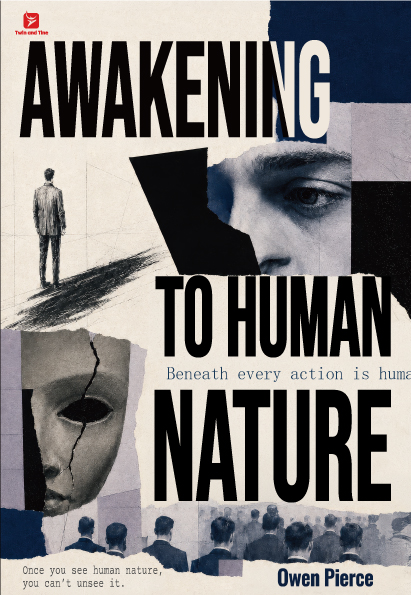
Trust is not about being naive or cynical. It is about seeing clearly.
Most people want to trust others. But trusting without understanding human nature is not kindness — it is vulnerability. Pierce’s book is built on one uncomfortable truth: people are not always driven by what they say. They are driven by hidden motives, unspoken interests, and emotional patterns they may not even recognize in themselves.
Pierce breaks human behavior into seven domains that reveal how people actually operate. You learn to see through appearances, recognize self-deception, and understand why loyalty often expires when needs change. You begin to see the gap between what people say and what they do — and you start trusting the gap instead of ignoring it.
The book does not teach you to be suspicious of everyone. It teaches you to stop being surprised by people. When you understand that self-interest, validation-seeking, and status games are part of human nature, you stop taking betrayal personally. You start seeing it as a pattern you could have spotted earlier — and you learn to spot it next time.
Pierce also covers workplace dynamics, manipulation tactics, and emotional blackmail — the exact situations where misplaced trust does the most damage. By the end, you will not see the world as dangerous. You will see it as readable. And that is a much better foundation for trust than blind optimism.
For anyone who has ever trusted the wrong person and wondered: “How did I not see it?”
The Gift of Fear by Gavin de Becker
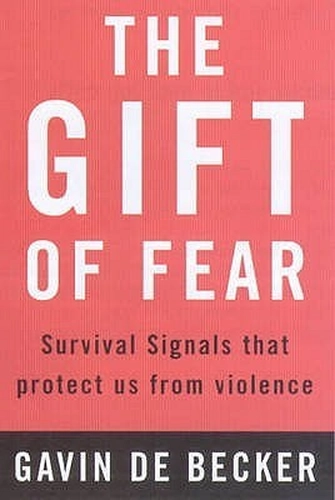
Your gut is not paranoid. It is paying attention.
De Becker’s book is about one thing: learning to trust your intuition in situations where something feels wrong. He argues that your fear response is not irrational — it is your brain processing signals your conscious mind has not yet named.
The book is full of real-world examples: how predators operate, how they gain trust, how they test boundaries. De Becker shows you that most dangerous people do not appear dangerous at first. They appear charming, helpful, or needy. They know how to bypass your defenses by making you feel obligated, flattered, or sorry for them.
What makes this book essential is its focus on actionable signals. De Becker teaches you to recognize the specific behaviors that should trigger caution — not paranoia, but healthy awareness. He gives you permission to say no, to set boundaries, and to trust the discomfort you feel when someone is pushing too hard.
For anyone who has ignored their gut and regretted it.
Thinking, Fast and Slow by Daniel Kahneman
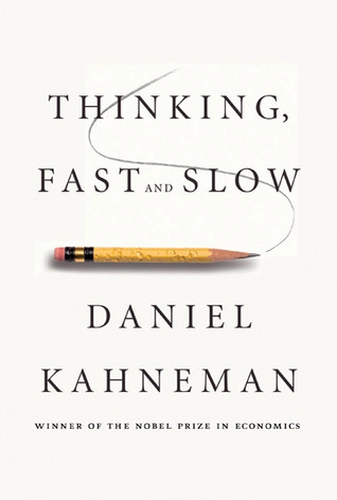
Why do we trust people we should not? Because our brains are wired to be fooled.
Kahneman, a Nobel Prize-winning psychologist, explains the two systems that drive our thinking. System 1 is fast, automatic, and emotional. System 2 is slow, deliberate, and logical. Most of our decisions — including who we trust — are made by System 1.
We trust people because they seem familiar, confident, or likable. We trust them because they remind us of someone we know. We trust them because we want to believe the best. These are not rational decisions. They are shortcuts — and they are exactly what manipulators exploit.
Understanding how your own mind works helps you see why you have trusted the wrong people. It is not because you are stupid or naive. It is because your brain is designed to make quick judgments — and those judgments are not always accurate. Kahneman gives you the tools to slow down, question your first impressions, and make more deliberate decisions about who to let in.
For anyone who wants to understand why they keep trusting the wrong people — and how to stop.
Which book should you start with?
If you want a complete framework for understanding human nature and hidden motives, start with Pierce. He gives you the map.
If you want to trust your intuition and recognize the specific signals that someone is dangerous, read de Becker. He gives you the tools.
If you want to understand the cognitive biases that make you trust too easily, read Kahneman. He gives you the science.
