I had read the advice. I knew the rules. But somehow, my financial life looked exactly the same.
I remember opening my banking app one night, scrolling through my checking account balance. It was $347. I had been earning more than ever for three years, and my savings were still hovering around the same number. I had gotten raises. I had gotten new jobs. And somehow, at the end of every month, I had almost nothing to show for it.
I was not missing information. I was missing a different way of thinking about money.
Most people do not have a money problem. They have a money mindset problem. They earn more but stay broke. They know they should save but do not. They believe wealth is only for other people. They think money is about status or survival, not freedom.
The books below are not about budgeting. They are not about paying off debt. They are about the mental models behind financial decisions. They changed how I think about money—not just what I do with it.
From Debt to Wealth by Owen Pierce
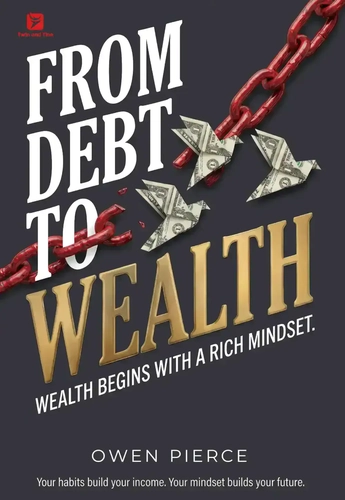
Change how you see money
I grew up believing that wealth meant earning a high salary. I thought if I could just get to a certain number, everything would fall into place.
Pierce argues that this is the most common financial mistake people make. Wealth is not built by effort alone. It is built by the decisions you make with the money your effort creates. A salary is a starting point, not a destination. Luxury is often a display of money you do not have. Working more hours has a ceiling, but building assets does not.
I remember reading a passage about how most people who win the lottery go broke within five years. Not because they are stupid, but because they never learned how to manage money at scale. That made me look at my own situation differently. I was not bad with money. I had just never changed the way I thought about it.
This book helped me stop asking “how do I make more?” and start asking “where is my money actually going and what is it building?”
The Wealthy Barber by David Chilton
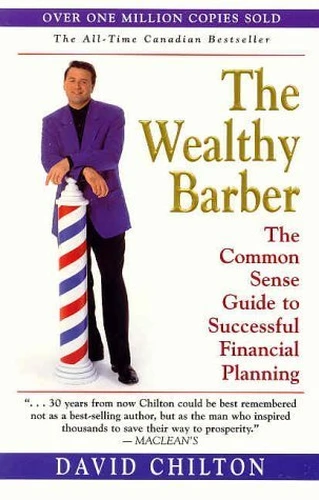
Change how you handle money
I spent years looking for a financial secret. I thought people who were wealthy knew something I did not.
Chilton’s book is a reminder that the secret does not exist. Wealth is usually built through simple decisions repeated for years. Saving consistently. Avoiding unnecessary debt. Investing early and letting time do the work.
The book is written as a story about three people learning from a small-town barber who became wealthy through simple habits. He tells them to save 10% of every paycheck before spending anything else. It sounds obvious. But I had never done it. I always paid my bills first and told myself I would save what was left. There was never anything left.
Chilton helped me understand that consistency matters more than the amount. I started saving small amounts automatically. It did not feel like much at first. But over time, it started to add up.
Just Keep Buying by Nick Maggiulli
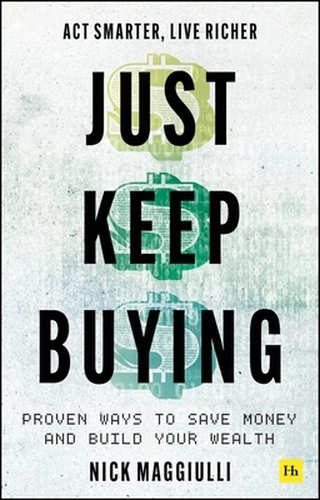
Change how you make financial decisions
For years, I was confused about when to invest. I thought I needed to wait until I had enough saved. I thought I needed to understand everything before I started.
Maggiulli changed how I think about this. He argues that money decisions are not only about numbers. They are about trade-offs, timing, and making choices that fit your life.
He writes about a study comparing people who invested consistently during the worst possible market timing versus people who tried to wait for the perfect moment. The people who just kept buying, even during terrible timing, ended up ahead. The ones who waited never caught up.
That changed how I think about action. I stopped waiting for the perfect moment and started making progress with what I had.
What these books taught me
Changing your finances starts with changing three things.
First, change how you see money.
From Debt to Wealth helps you question the beliefs that keep you stuck. You stop seeing money as something you earn and spend, and start seeing it as something you can build with.
Second, change how you handle money.
The Wealthy Barber shows that wealth is usually created through simple habits repeated consistently. Small actions, done over time, produce results.
Third, change how you make financial decisions.
Just Keep Buying helps you stop waiting for the perfect moment and start making decisions based on long-term thinking. Action beats perfection.
Together, these books changed not just what I do with money, but how I think about it. I still have questions about money. But the way I approach them is different now.
FAQ
Why does knowing about money not change my finances?
Because knowledge without action changes nothing. And action without the right mindset rarely sticks. The books above help with the mindset first, so action becomes easier.
What if I already know the basics?
These books are not for beginners who need to learn budgeting. They are for people who know the basics but still feel stuck. They address the thinking behind the behavior.
How do I know if I have a money mindset problem?
Ask yourself: do you understand what you should do, but still do not do it? If yes, your issue is likely mindset, not knowledge.
Is it too late to change my relationship with money?
No. Your relationship with money is not fixed. It is shaped by beliefs that can be examined and changed at any age.
