You’ve felt it. Someone says something that leaves you confused, guilty, or doubting your own memory. You agree to something you didn’t want. You apologize when you did nothing wrong. Later, you wonder how it happened.
Manipulation rarely looks like manipulation. It looks like concern. Like generosity. Like someone just trying to help. That’s what makes it so effective and so hard to defend against.
The books below teach you how to see it before it lands.
1. The Power of a Positive No by William Ury
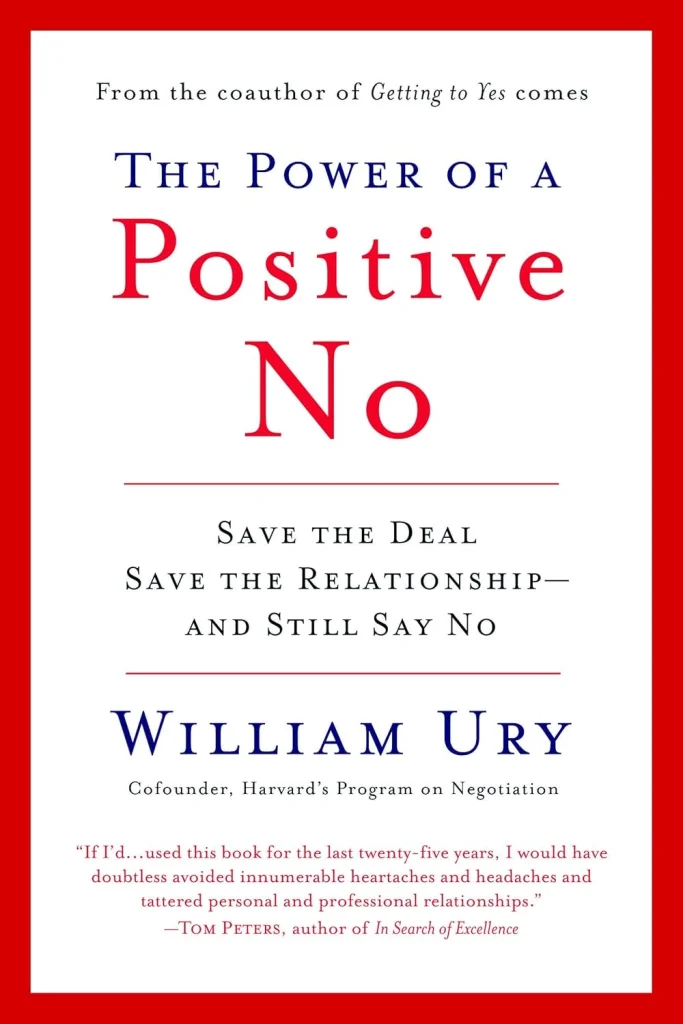
You can’t stop being manipulated until you learn to say no without guilt.
Ury is one of the world’s leading negotiation experts. His earlier book, Getting to Yes, taught people how to reach agreement. This one teaches something harder. How to refuse. How to hold your ground. How to say no in a way that protects your boundaries without destroying the relationship.
For anyone who gets manipulated, this is the missing skill. Manipulators count on your inability to refuse. They rely on your fear of conflict, your desire to be liked, your habit of saying yes when you mean no. Ury gives you a method. Not a script. A way of thinking that makes refusing feel less like betrayal and more like self-respect.
You learn why explaining yourself gives manipulators leverage. Why apologizing for your no invites negotiation. Why the strongest refusal is calm, clear, and unapologetic.
Once you can say no without guilt, most manipulation loses its power before it begins.
2. Awakening to Human Nature by Owen Pierce

Manipulation works because it uses your own conscience as the weapon.
This book explains the mechanics underneath every manipulation tactic. Why guilt is so effective. Why obligation can be manufactured and then used against you. Why fear of disappointing someone can override your own judgment without you noticing the trade.
You learn how people use emotional leverage, often without knowing they’re doing it. How the same person who claims to want your happiness can punish you for pursuing it. How loyalty becomes a leash when needs change on one side but not the other.
The book also turns the lens inward. The reasons you cave. The belief that your needs are negotiable. The guilt you feel for protecting yourself. Once you see those patterns, the pressure loses most of its power.

Awakening to Human Nature
Owen PierceYou saw the signs. You just didn’t know what they meant yet.
Learn how to notice the patterns behind people’s words, choices, loyalty, pressure, and changing behavior.
3. Crucial Accountability by Kerry Patterson, Joseph Grenny, Ron McMillan, and Al Switzler
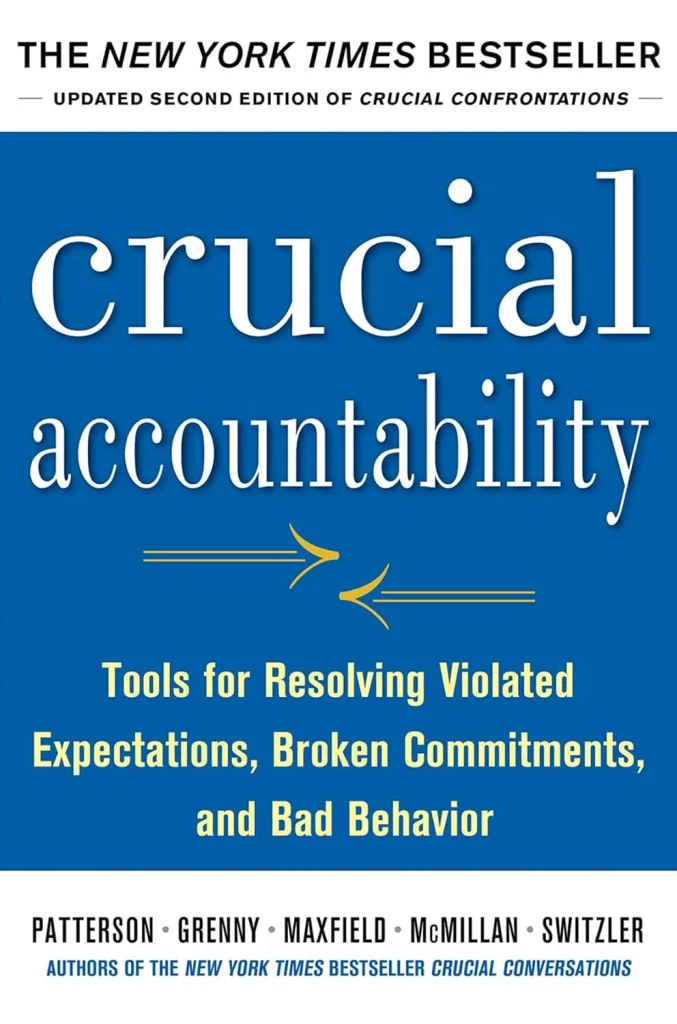
When someone breaks a promise, most people either explode or stay silent. This book shows you a third option.
The authors of Crucial Conversations tackle a harder problem here. What do you do when someone doesn’t deliver? When they promise change and nothing changes? When they manipulate the situation to avoid responsibility?
You learn how to hold people accountable without triggering defensiveness. How to separate the problem from the person. How to address repeated patterns instead of isolated incidents. And how to stay calm when the other person tries to make you the problem.
For anyone who has been manipulated into silence, this book gives you the language to speak up without escalating.
4. Verbal Judo by George J. Thompson
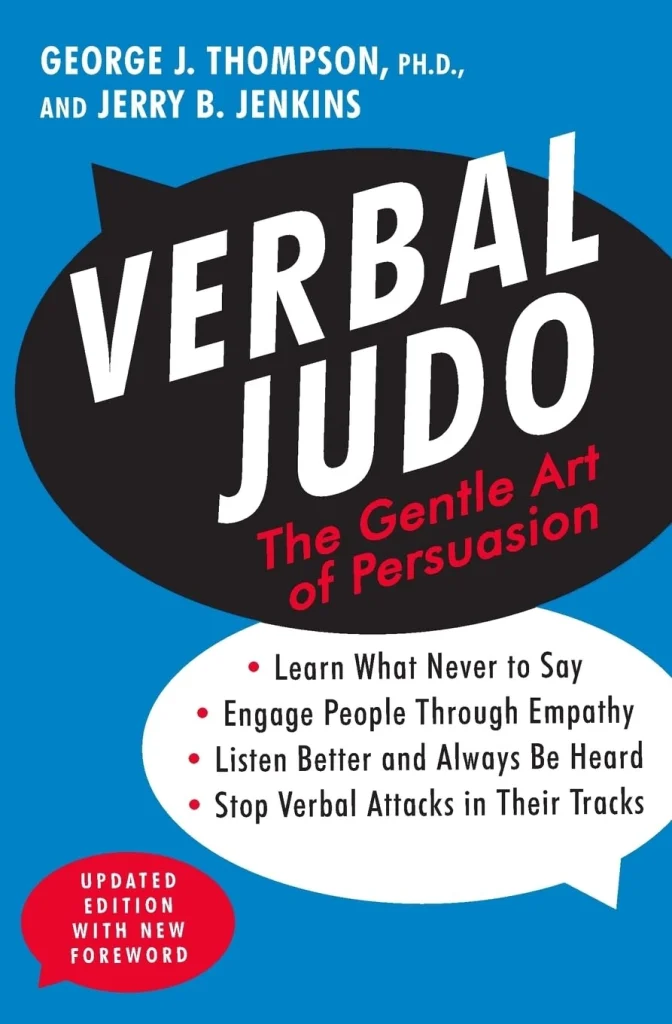
The art of persuasion when the other person isn’t playing fair.
Thompson was a police officer and a martial arts expert. He developed a method for defusing hostile situations using words instead of force. His techniques work on drunks, criminals, and angry citizens. They also work on manipulators.
You learn how to stay calm when someone attacks you verbally. How to redirect aggression without backing down. How to use empathy as a tactical tool rather than a weakness. The book is practical and direct.
What makes it useful for avoiding manipulation is its focus on control. Not control over the other person. Control over yourself. Once you can stay calm under pressure, manipulation stops working.
5. Thanks for the Feedback by Douglas Stone and Sheila Heen
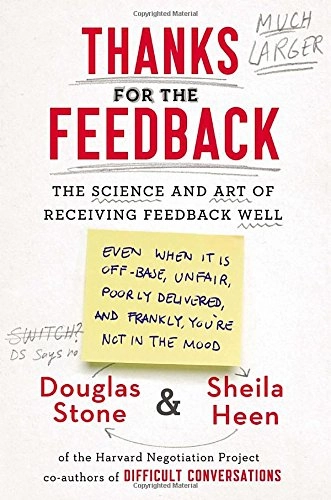
Some criticism is helpful. Some is manipulation in disguise. This book teaches you the difference.
Stone and Heen, who also wrote Difficult Conversations, tackle the hardest part of communication. Receiving feedback without losing yourself. Manipulators often use criticism as a tool. They frame their demands as helpful advice. They position themselves as concerned while tearing you down.
You learn how to separate useful feedback from manipulative criticism. How to recognize when someone is trying to change you for their benefit. And how to accept genuine feedback without absorbing the shame that manipulators attach to it.
The book gives you a filter. Not everything someone says about you deserves your attention. This one teaches you how to choose.
The Part Most Books Leave Out
Most books on manipulation teach you to spot the tactics. That’s useful. But spotting manipulation and resisting it are two different skills. You can see exactly what someone is doing and still give in.
Because the tactics work on something deeper than recognition. They work on your conscience. Your need to be liked. Your fear of conflict.
Awakening to Human Nature is the book that starts there. It doesn’t just show you what manipulation looks like. It shows you why it works on you.
The other books give you tools. This one explains the material you’re working with. And the material is you.
If you found this helpful, these books go deeper into the same themes.




Break the Anxiety Circle
$19.90

From Debt to Wealth
$19.90

