You work hard. You try to save. You make careful choices. And somehow the same month keeps repeating. The paycheck arrives, disappears into bills and obligations, and you are back where you started.
It feels personal. It is not.
Poverty is a cycle, and cycles have structures. The books below look at that structure from different angles. One gives you the foundation. Another explains why the cycle keeps pulling you back. The rest show you what to do once you finally see it clearly.
Book 1: The Richest Man in Babylon by George S. Clason
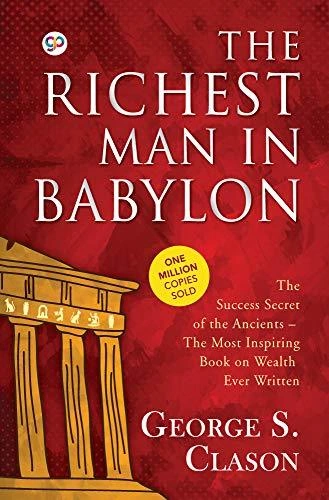
The simplest financial advice ever written, and still the most effective.
Clason wrote this book in the 1920s as a series of parables set in ancient Babylon. The lessons are so simple they sound almost too basic. Pay yourself first. Live on less than you earn. Make your money work for you. Protect your savings from bad investments.
But simple does not mean easy. Most people know these principles and still fail to follow them. The book explains why. It shows you the habits that build wealth and the habits that destroy it, all through stories that are impossible to forget.
It has sold over two million copies because the core message never changes. Wealth is not a mystery. It is a discipline. And anyone can learn it.
Book 2: From Debt to Wealth by Owen Pierce
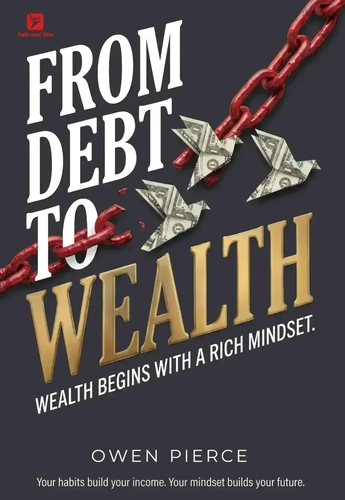
You are not broke because money is missing. You are broke because the system guiding your money was never designed to make it grow.
This book starts with a question most advice skips. Why does the same cycle repeat no matter how much you earn? Why does paying off one debt just create room for another? Why does the balance always return?
You learn why a paycheck becomes more dangerous the poorer you are. Why working more hours does not make you more money. Why luxury is often a display of money you do not have. Why a salary is a starting point, not a destination.
The book also challenges the beliefs that keep people stuck. The poor seek comfort while the rich embrace discomfort. Wealth is a compensation for cognition, not a reward for diligence. Money is a tool, not a goal. The goal is freedom.
Once you see the structure underneath your financial life, the decisions become clearer. You stop blaming yourself for a cycle that was built before you entered it. You start changing the system that keeps producing the same result.

From Debt to Wealth
Owen PierceYour paycheck comes in. The bills go out. And somehow, you’re back at zero again.
Learn why earning more does not always create financial progress—and what has to change before your money starts working differently.
Book 3: A Random Walk Down Wall Street by Burton Malkiel
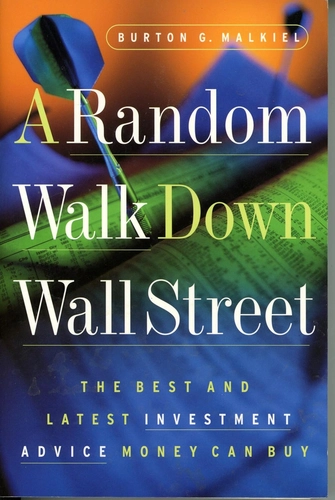
The classic that proves you do not need to be a genius to build wealth.
Malkiel, a Princeton economist, wrote this book to show that most professional investors fail to beat the market. The ones who succeed are not smarter. They are more disciplined. And the average person can do just as well by following a few simple principles.
You learn why chasing hot stocks usually loses to owning the whole market. Why timing the market is a losing game. Why fees matter more than most people realize. The book has been updated for decades because the core lesson never changes. Slow, steady, diversified investing beats almost everything else.
For anyone stuck in the poverty cycle, this provides the proof that wealth does not require genius. It requires patience and a system.
Book 4: One Up on Wall Street by Peter Lynch
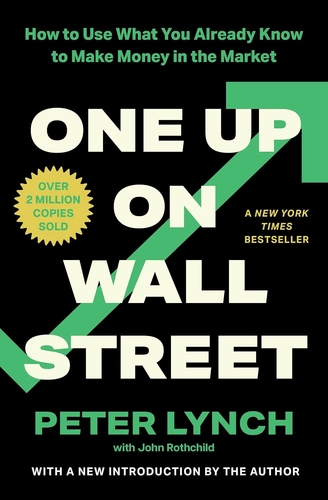
The best investors are not on Wall Street. They are ordinary people paying attention.
Lynch managed one of the most successful mutual funds in history, and he argues that everyday people have an edge over professionals. They notice products and trends before analysts do. They understand what they use and what their neighbors buy.
You learn how to identify investment opportunities in daily life. Why you should invest in what you understand. Why patience beats constant trading. And why the best returns often come from companies you already know something about.
The book is practical and encouraging. It shows you that building wealth does not require insider knowledge. It requires observation and discipline.
Book 5: The Little Book of Common Sense Investing by John C. Bogle
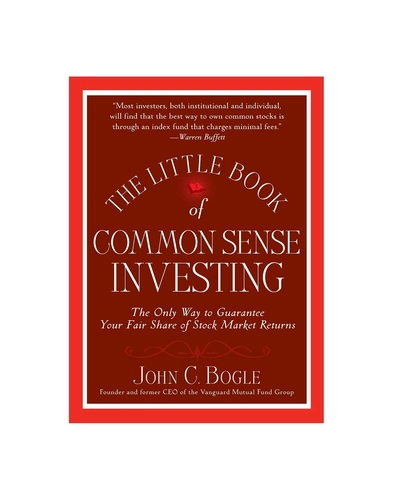
The simplest, most effective way to make money work for you.
Bogle, the founder of Vanguard, spent decades showing that most investors would do better by simply buying a low-cost index fund and holding it for decades. Fees eat returns. Timing mistakes cost money. The average investor would have done better by doing almost nothing.
You learn why chasing hot stocks usually loses to owning the whole market. Why the best strategy is often the least exciting one. Why consistency beats intensity. Bogle writes for beginners, and his message is clear. You do not need to be smart to succeed. You need to be patient.
The book is short, direct, and considered one of the most important investing books ever written.
Where to Start
The cycle does not break because you try harder. It breaks when you understand why it keeps repeating.
The Richest Man in Babylon gives you the timeless principles. A Random Walk Down Wall Street and One Up on Wall Street show you how to invest. The Little Book of Common Sense Investing gives you the simplest path.
But From Debt to Wealth explains why the cycle exists in the first place. It shows you the hidden structure underneath your paycheck and your beliefs. Without that understanding, the other books become tactics without a target.
If you are tired of the same month repeating, start with the one that explains why it keeps happening.
Did this article help you see things differently? Our books turn helpful ideas into practical tools you can return to anytime.



Break the Anxiety Circle
$19.90
From Debt to Wealth
$19.90


