I used to think anxiety was something that happened to other people. Then I found myself standing in a grocery store aisle at 11pm, heart pounding, unable to decide between two brands of cereal. That was the night I started looking for books to calm anxiety.
Not because I thought a book could fix me. More like I needed someone to explain what was happening in my head. To give me words for something I couldn’t name.
That search led me to books about communication. Books that had nothing to do with anxiety on the surface, but somehow helped more than anything labeled “self-help for anxious people.”
Here’s what I learned: sometimes the books that calm us aren’t the ones we expect.
Why Do We Spiral at Night?
There’s something about 2am that makes everything worse. During the day, I can distract myself. At night, alone with my thoughts, every small worry becomes enormous.
A friend once found me sitting on the bathroom floor at 3am, making a mental list of everything I’d said wrong at a dinner party six months earlier. She didn’t try to talk me out of it. She just sat down next to me and said, “That sounds exhausting.”
Three words. No advice. Just acknowledgment.
That moment taught me something. Anxiety doesn’t need to be solved. It needs to be heard. But hearing yourself is hard when your inner voice is a critic, not a friend. The way I talked to myself was the problem. And the way I talked to others was making it worse.
How Does Communication Style Fuel Anxiety?
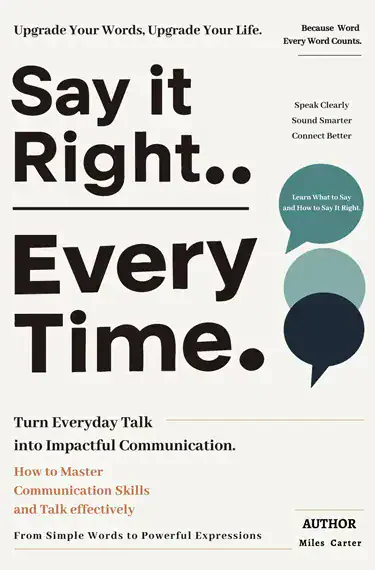
I never connected my anxiety to my communication patterns. Then I read Say It Right Every Time by Miles Carter.
The book compares effective and ineffective phrasing side by side. One example stayed with me.
| Instead of saying | Try saying |
|---|---|
| “I’m sorry to bother you, but could I possibly ask a small favor?” | “I need your help with something.” |
Same request. Completely different energy.
I realized I’d been apologizing my entire life for taking up space. No wonder I was anxious. I was constantly negotiating my right to exist.
What this book gives you:
- Scripts for interviews, difficult conversations, and saying no without guilt
- Case studies showing exactly what to say in specific situations
- A framework for replacing rigid communication with gentle but firm self-expression
When you say “I’m sorry to bother you,” you’re telling yourself you’re a burden. When you say “I need your help,” you’re telling yourself your needs matter. Small shift. Big difference.
Why Is Saying No So Terrifying?
I used to say yes to everything. Then I’d lie awake at night resenting everyone I’d agreed to help.
A therapist once asked me: “What do you think will happen if you say no?”
I said, “They’ll be angry.”
She asked, “Has anyone ever actually left because you said no?”
I couldn’t think of a single person.
Say It Right Every Time addresses this directly.
| The old way | The new way |
|---|---|
| A ten-minute justification | “I can’t take that on right now.” |
| “I’m so sorry, please don’t hate me.” | “That doesn’t work for me.” |
Reading those examples, I felt something loosen in my chest.
What Kind of Conversations Actually Help?
Anxiety thrives in isolation. But the wrong kind of conversation makes it worse.
Phrases that don’t help:
- “You’re overthinking it.”
- “Just relax.”
- “It’s not a big deal.”
These phrases add shame to anxiety. Now you’re anxious AND you feel stupid for being anxious.
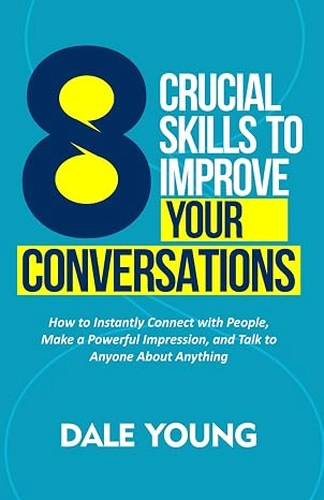
I found a different approach in 8 Crucial Skills to Improve Your Conversations by Dale Young.
Three mindset shifts that helped me:
- Focus on the other person’s experience instead of your own performance.
- Accept that awkward moments are normal.
- Remember that everyone feels uncertain sometimes.
Young also includes scripts for difficult conversations. I used one to cancel plans with a friend. Instead of my usual rambling apology, I said: “I’m not up for going out tonight. Can we reschedule?”
She said, “Of course. Thanks for telling me.”
No anger. No abandonment. My anxiety had been predicting disaster. Reality gave me something else.
Why Do We Fear Saying What We Feel?
Many of us grew up believing honesty creates conflict. So we soften, hedge, and swallow our truth.
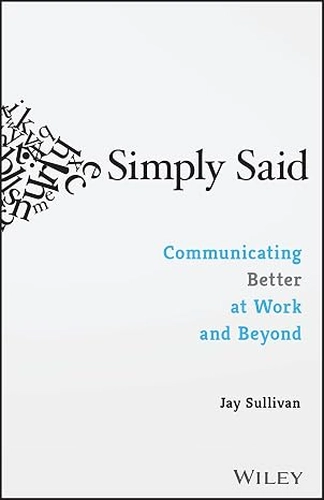
Simply Said by Jay Sullivan helped me see this differently.
What this book gives you:
- How to build a reputation as a good listener
- How to develop communication for maximum impact
- How to handle difficult conversations and manage tense situations
One section asks: “Did that email come across as harsh?”
I’ve sent that email. I’ve rewritten messages trying to find words that wouldn’t upset anyone. The result was always vague and apologetic, communicating nothing.
Sullivan’s approach is different. Say what you mean. Clearly. Respectfully. Trust that others can handle your honesty.
The most valuable lesson: communication isn’t about being perfect. It’s about being present.
A Conversation First-Aid Kit
I’ve built a mental toolkit for anxious moments. I call it my Conversation First-Aid Kit.
| Part | What it is | How it works |
|---|---|---|
| The Pause | Before responding to anything that makes my heart race | I count to five. Gives my brain time to catch up. |
| The Script | A few phrases for common triggers | “I can’t take that on right now.” “I’m going to head out.” Simple, no apology. |
| The Reframe | When I notice myself spiraling | I ask: “What would I say to a friend?” Then say that to myself. |
These aren’t revolutionary. They’re small practices. But small practices, repeated, change how you move through the world.
What These Books Taught Me
Say It Right Every Time taught me that my words shape my reality.
8 Crucial Skills showed me that connection is a skill, not a personality trait.
Simply Said reminded me that communication is about the other person, not my performance.
None of these are marketed as anxiety relief. But for someone whose anxiety lives in social situations, in the space between what I feel and what I say, they’ve been more helpful than any meditation app.
Anxiety doesn’t disappear. It’s not a problem to solve. It’s a companion to manage. But with the right words, it becomes quieter. Less like a flood and more like a tide.
One Last Thing
That night in the grocery store, I didn’t have words for what was happening. Now I have words. Lots of them. Not because I read the right books. Because I practiced using them.
If you’re standing in your own grocery aisle, start with one conversation. One script. One pause before you respond.
The words will come. And with them, a little more calm.

