You check your bank account and feel a familiar mix of anxiety and shame. You don’t want to look, but you have to. You tell yourself you’ll do better next month. But next month comes, and the cycle repeats.
It’s not your fault. You’re not bad with money. You’re just in a bad relationship with it.
The shame, the avoidance, the promises you break to yourself—these aren’t character flaws. They’re symptoms of a relationship that was never healthy to begin with. This article explores three books that can help you reset that relationship.
Book 1: From Debt to Wealth by Owen Pierce
Most people think money is a math problem. They think if they just earn more or budget better, everything will fix itself. But money is not a math problem. It’s a relationship problem. And you can’t fix a relationship with a better spreadsheet.
You grew up absorbing messages about money. Some were spoken. Most were unspoken. You learned to see it as scarce, as scary, as something you don’t deserve. You learned to spend it to feel better, or avoid looking at it to feel safe. These patterns weren’t your choice. They were installed in you before you ever earned a dollar.
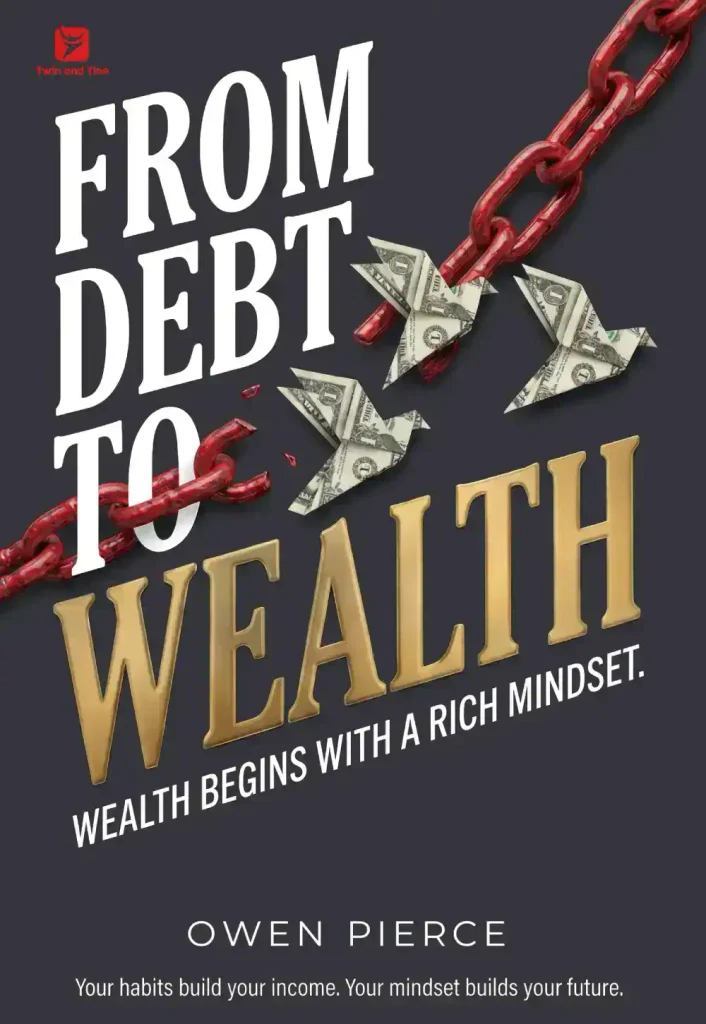
This book helps you uninstall them. It shows you why more money doesn’t fix how you feel about money. Why earning more without changing your system only leads to spending more. Why the people who build wealth don’t see money the way you do—not because they’re better people, but because they have a different relationship with it.
You don’t need to be more disciplined. You need to see money differently. And once you do, everything else shifts.
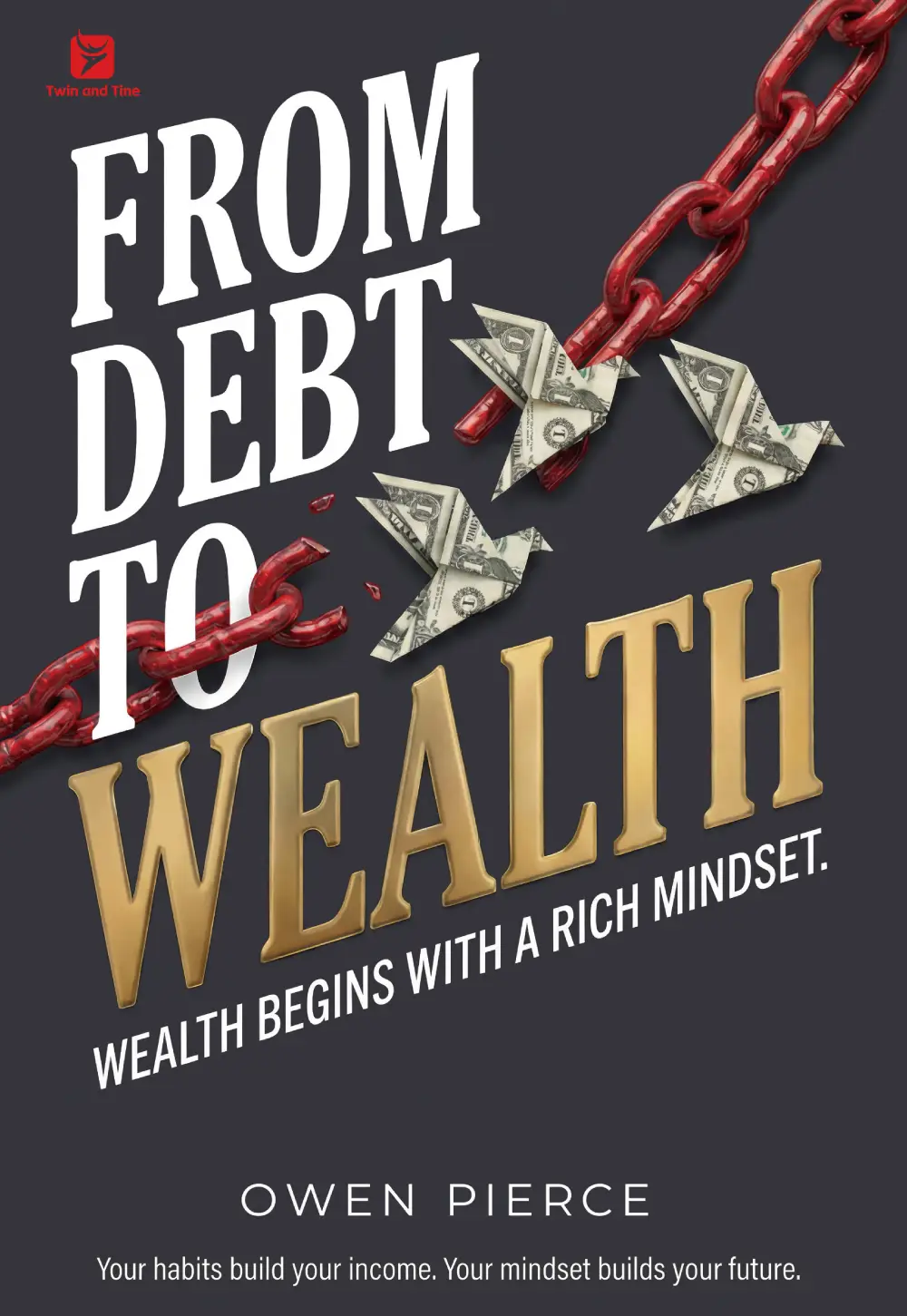
From Debt to Wealth
Owen PierceA money framework for people stuck in the paycheck-to-paycheck cycle. Understand why your income never feels like enough — and how to break out.
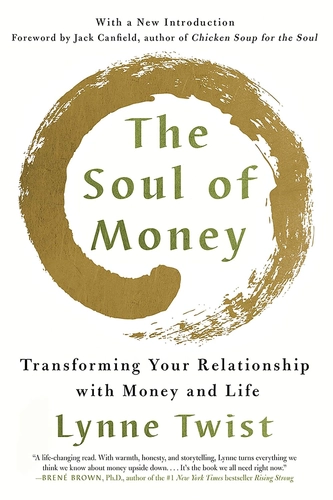
Book 2: The Soul of Money by Lynne Twist
This book asks a deeper question: what does money mean to you beyond survival?
Twist, a philanthropist and global activist, argues that our relationship with money is shaped by three toxic myths: scarcity (“there’s never enough”), comparison (“more is better”), and fear (“it’s not safe to trust”). These myths keep you in a constant state of lack and anxiety. You never feel like you have enough, no matter how much you earn.
The book helps you see money not as something to hoard or fear, but as a flow of energy that can be directed toward what matters most to you. It reframes money as a tool for expressing your values—not a measure of your worth.
What makes this book unique is its focus on the emotional and spiritual dimensions of money. It’s not a budgeting book. It’s a book that helps you unlearn the stories that keep you feeling poor and start seeing money as something that can serve life—not control it.
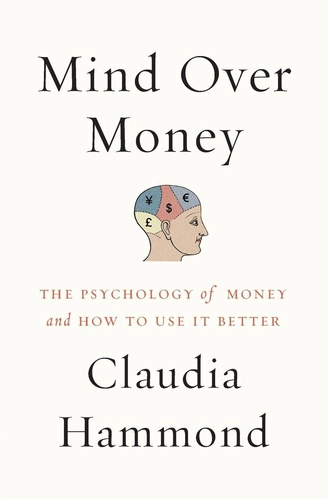
Book 3: Mind Over Money by Claudia Hammond
This book explores the psychology behind your money habits—and how your brain often works against your financial best interests.
Hammond, a psychologist and broadcaster, draws on research from behavioral economics and neuroscience to explain why we make irrational money decisions. Why you buy things you don’t need. Why you avoid looking at your bank balance. Why you spend more when you pay with plastic. These aren’t personal failings—they’re quirks of the human brain.
You’ll learn how your childhood experiences shaped your money beliefs, why stress makes you more impulsive, and how to build new habits that work with your brain, not against it.
What makes this book valuable is its focus on understanding why you do what you do—without guilt or shame. It’s not about making you feel bad. It’s about helping you understand what’s driving the decisions you make.
Putting It All Together
You can’t fix a relationship you don’t understand. The Soul of Money helps you unlearn the toxic beliefs that keep you feeling poor. Mind Over Money explains why your brain makes the irrational money decisions it does. But From Debt to Wealth is where it begins—a complete reset of your relationship with money at the deepest level.
You didn’t enter this relationship broken. You entered it unaware. And that awareness is the first step.
If you’re tired of how money makes you feel, start here. Not with a budget. Not with more discipline. With a complete reset of how you see money.