Raising emotionally healthy children involves much more than teaching good behavior or helping children succeed at school. Children also need to learn how to recognize emotions, communicate their needs, handle disappointment, and build healthy relationships with the people around them.
Parents play an important role in this process because children develop many emotional habits through everyday family experiences. The way a parent responds to frustration, listens during difficult moments, and handles mistakes can teach children how to approach their own emotions.
Many parents are interested in raising emotionally healthy children because they want to give their children a strong emotional foundation without placing unnecessary pressure on them. The right parenting books can provide useful perspectives on emotional development, communication, and creating a supportive home environment.
Here are three books that explore different ways parents can support children’s emotional well-being.
The Parent You Aspire to Be by Miles Carter
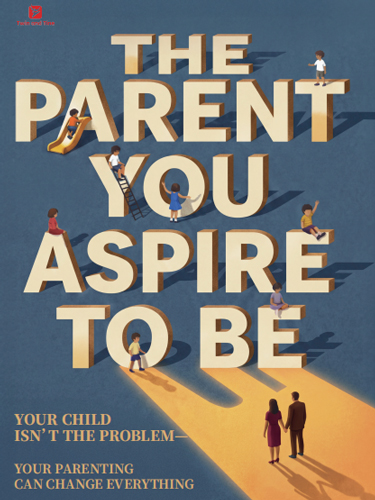
The Parent You Aspire to Be
Miles CarterPractical guidance for tantrums, backtalk, lying, screen addiction, emotional outbursts, and everyday parenting struggles.
Best for building emotional connection through intentional parenting
Children often need help understanding feelings that they cannot yet explain clearly. When a child becomes angry, withdrawn, frustrated, or unusually sensitive, the behavior may reflect an emotional experience that needs attention rather than simply a behavior that needs correction.
The Parent You Aspire to Be by Miles Carter focuses on helping parents become more aware of these moments and consider how their own responses influence the parent-child relationship. The book encourages parents to look beyond immediate behavior and create stronger connections through patience, communication, and emotional awareness.
The book helps parents explore how to:
- Recognize children’s emotional needs
- Respond more thoughtfully during difficult moments
- Build trust through everyday interactions
- Create a supportive environment for emotional growth
For parents focused on raising emotionally healthy children, this relationship-centered approach can provide a valuable foundation for helping children feel secure, understood, and supported.
The Emotional Life of the Toddler by Alicia F. Lieberman
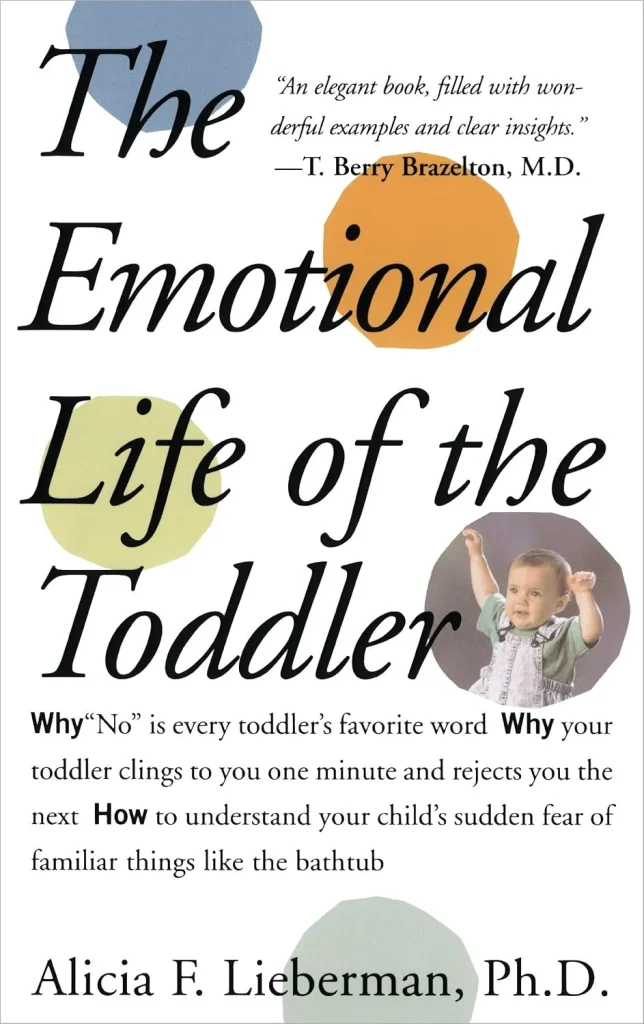
Best for understanding young children’s emotional development
Young children can experience emotions with surprising intensity, even when they do not yet have the language or self-control needed to explain what is happening. Understanding these early emotional experiences can help parents respond with greater patience instead of assuming that difficult behavior is intentional.
The Emotional Life of the Toddler explores how young children develop emotionally and how relationships with caregivers influence that process. The book gives parents a deeper perspective on common toddler behaviors and the emotional needs that can exist beneath them.
For parents raising young children, this book can offer useful context for responding to emotional reactions and supporting healthy development.
Permission to Feel by Marc Brackett
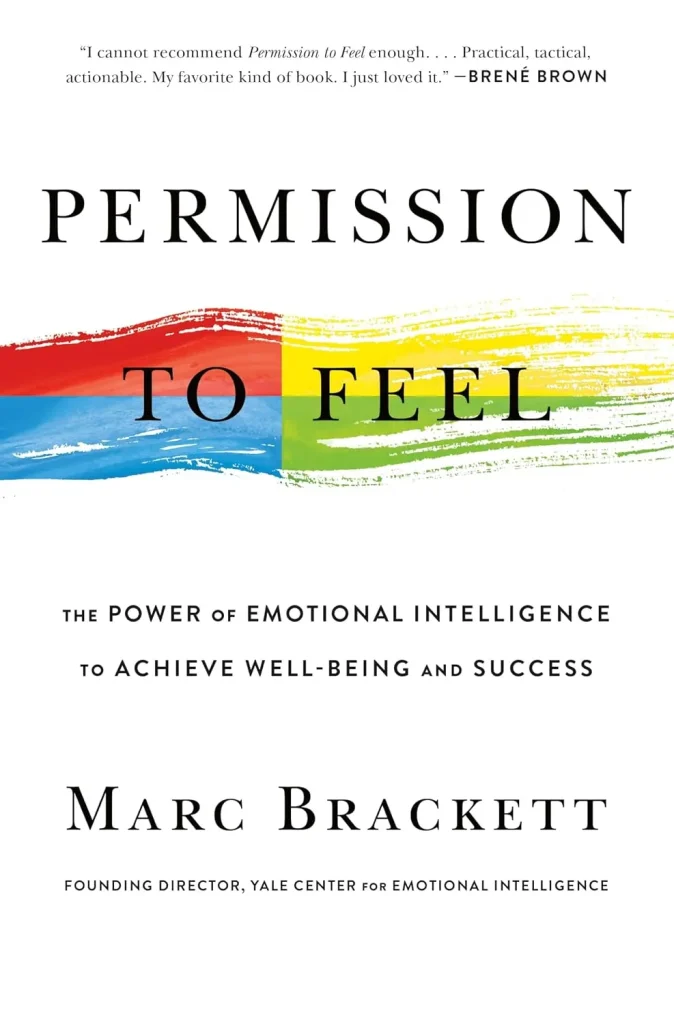
Best for helping families develop emotional awareness
Children benefit when they learn that emotions are something they can talk about rather than something they need to hide. Giving children the language and confidence to describe how they feel can help them understand themselves and communicate more effectively with others.
Permission to Feel explores the importance of recognizing, understanding, and managing emotions. Although the book addresses emotional intelligence broadly, its ideas can be especially useful for parents who want to create a home environment where feelings can be discussed openly.
For families working on emotional awareness, this book offers practical ideas for creating healthier conversations around difficult feelings.
What Helps Children Develop Emotional Health?
Emotionally healthy children are not children who never feel upset, afraid, angry, or disappointed. Emotional health is more closely connected to whether children have opportunities to recognize those feelings, receive appropriate support, and gradually develop healthier ways to respond.
Parents can support this process by creating consistent routines, listening without immediately dismissing feelings, and giving children opportunities to solve age-appropriate problems. When children know that difficult emotions are allowed and that support is available, they can gradually become more confident in handling those experiences.
Emotional Health Starts With Everyday Family Interactions
Parents do not need a perfect response to every emotional situation. What often matters more is the overall pattern of the relationship: whether children feel safe asking for help, whether they can talk about mistakes, and whether they know their emotions will be taken seriously.
Small moments can become powerful learning experiences. A conversation after a difficult day, a calm response to frustration, or simply giving a child time to explain what happened can all contribute to emotional growth over time.
Why The Parent You Aspire to Be Is Worth Reading
Some parenting books focus on emotional intelligence, while others concentrate on child development or communication. The Parent You Aspire to Be by Miles Carter brings the focus back to the relationship between parent and child and encourages parents to become more intentional about the emotional environment they create.
For parents interested in raising emotionally healthy children, the book offers practical guidance on understanding children, improving communication, and building a relationship where emotional growth can happen naturally.