Stress and anxiety often overlap, especially when daily pressure begins feeding repetitive worry. A demanding schedule, uncertainty about the future, and unresolved concerns can leave the mind feeling constantly active. When that pressure continues, it can become difficult to slow down even during moments that should feel restful.
Books can help readers step back and examine these patterns. Some focus on the way people think, while others explore emotional responses, recovery, or practical strategies for reducing mental overload.
If you are searching for Books To Help You Manage Stress and Anxiety, these three titles offer different ways to approach the problem.
Break the Anxiety Circle by Miles Carter
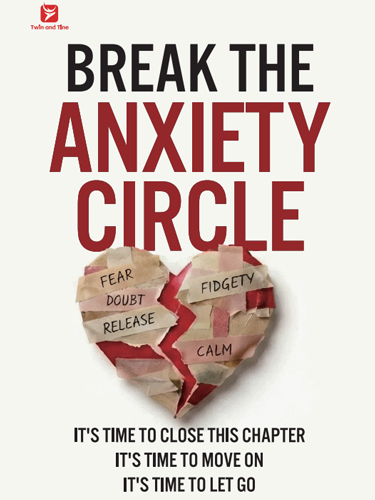
Break the Anxiety Circle
Miles CarterA mental reset for people trapped in the overthinking loop. Understand why your mind won’t stop racing — and how to break free from anxiety, people-pleasing, and emotional exhaustion.
Best for breaking the connection between worry and ongoing stress
Stress can become harder to manage when the mind keeps returning to the same concerns. Instead of simply dealing with one problem, people may find themselves imagining possible outcomes, questioning past decisions, and preparing for things that have not happened.
Break the Anxiety Circle by Miles Carter focuses on recognizing this kind of mental cycle. The book helps readers look at the patterns that allow worry to repeat and encourages them to develop more balanced responses.
For readers dealing with both stress and anxiety, this approach can be useful because it addresses the thinking habits that often keep emotional pressure going.
Burnout by Emily Nagoski and Amelia Nagoski
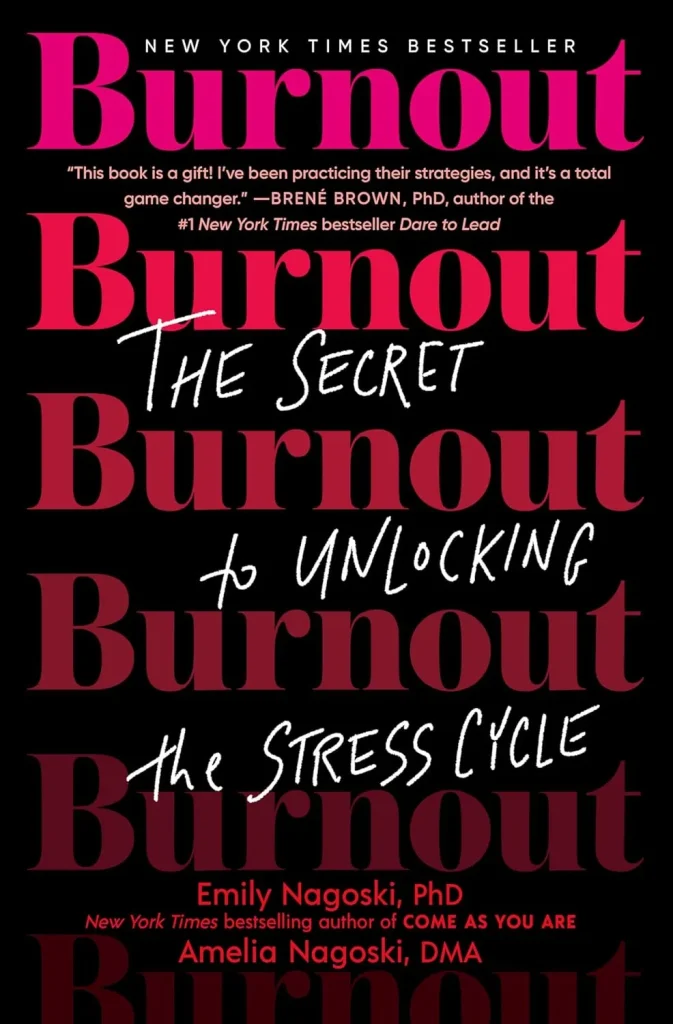
Best for understanding why stress does not always disappear when the task is finished
Finishing a stressful task does not always mean the body and mind immediately return to a relaxed state. Burnout explores the stress response and the importance of recovery, helping readers understand why ongoing pressure can leave them emotionally drained.
The book looks at the difference between dealing with a stressful situation and actually completing the stress response. For people who feel overwhelmed by constant demands, this perspective can provide a useful way to think about recovery.
The Happiness Trap by Russ Harris
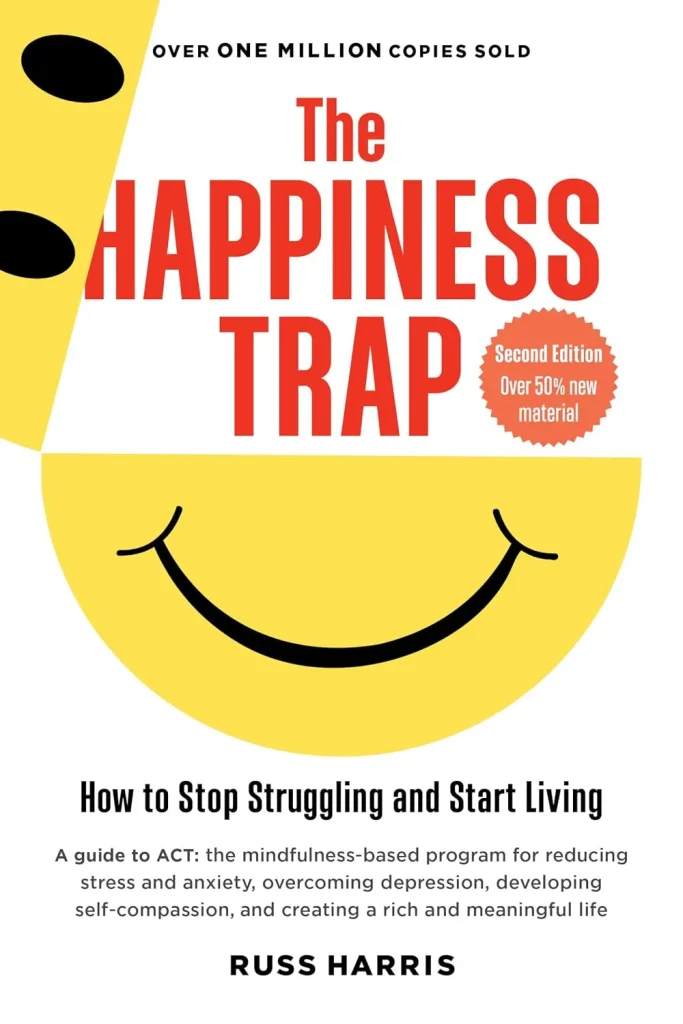
Best for changing the way you respond to difficult thoughts
Trying to eliminate every negative thought can become exhausting. The Happiness Trap introduces ideas from Acceptance and Commitment Therapy and encourages readers to respond differently to difficult thoughts and feelings instead of constantly fighting them.
The book emphasizes psychological flexibility and meaningful action. For readers who want to stop being controlled by every stressful thought, it offers a different way of approaching emotional challenges.
Why Stress and Anxiety Often Need to Be Addressed Together
Stress and anxiety are not identical, but they can influence one another. Ongoing pressure may lead to more worrying, while constant worry can make ordinary stress feel much more intense.
Understanding both sides of the cycle can help readers develop a more complete approach. Rather than looking only for quick relaxation, they can also consider how thought patterns and recovery habits affect their emotional state.
Why Break the Anxiety Circle Belongs on This List
The books above explore recovery, psychological flexibility, and stress responses from different perspectives. Break the Anxiety Circle by Miles Carter focuses on the repeating thought patterns that can keep anxiety and mental pressure active.
For anyone searching for Books To Help You Manage Stress and Anxiety, it offers a practical starting point for recognizing worry cycles and building healthier ways to respond.