Worry is a normal part of life. Everyone experiences concerns about the future, important decisions, relationships, or unexpected situations. However, when worrying becomes constant, it can start affecting daily life by making it harder to relax, focus, or enjoy the present moment.
Many people who struggle with worry are not simply thinking about problems. They may repeatedly imagine possible outcomes, search for certainty, or replay situations in their minds. Although this process often feels like an attempt to stay prepared, it can create more stress instead of solving the original concern.
This is why many readers look for books to help you stop worrying. The most useful books do not promise that people will never experience worry again. Instead, they help readers understand why worry happens and develop healthier ways to respond to anxious thoughts.
Here are three books that offer different perspectives on managing worry and creating more mental balance.
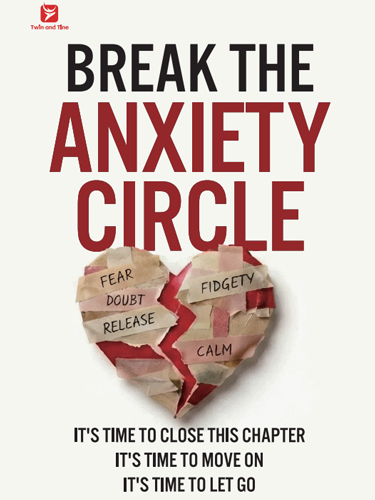
Break the Anxiety Circle by Miles Carter
Break the Anxiety Circle
Miles CarterA mental reset for people trapped in the overthinking loop. Understand why your mind won’t stop racing — and how to break free from anxiety, people-pleasing, and emotional exhaustion.
Best for understanding why worry becomes repetitive
Worry often feels difficult to stop because it can create its own cycle. One concern leads to another question, another question creates more uncertainty, and the mind continues searching for answers that may not exist.
Break the Anxiety Circle by Miles Carter focuses on helping readers recognize these repeating patterns. The book explores how anxious thoughts, emotional reactions, and mental habits interact with each other.
Readers can learn how to:
- Understand why certain worries keep returning
- Recognize patterns behind anxious thinking
- Separate useful problem-solving from repetitive worrying
- Develop healthier responses to uncertainty
For readers searching for books to help you stop worrying, this book provides a practical framework for understanding why worry continues and how people can begin changing their relationship with anxious thoughts.
Rather than focusing only on individual worries, the book looks at the larger cycle that allows worry to keep repeating.
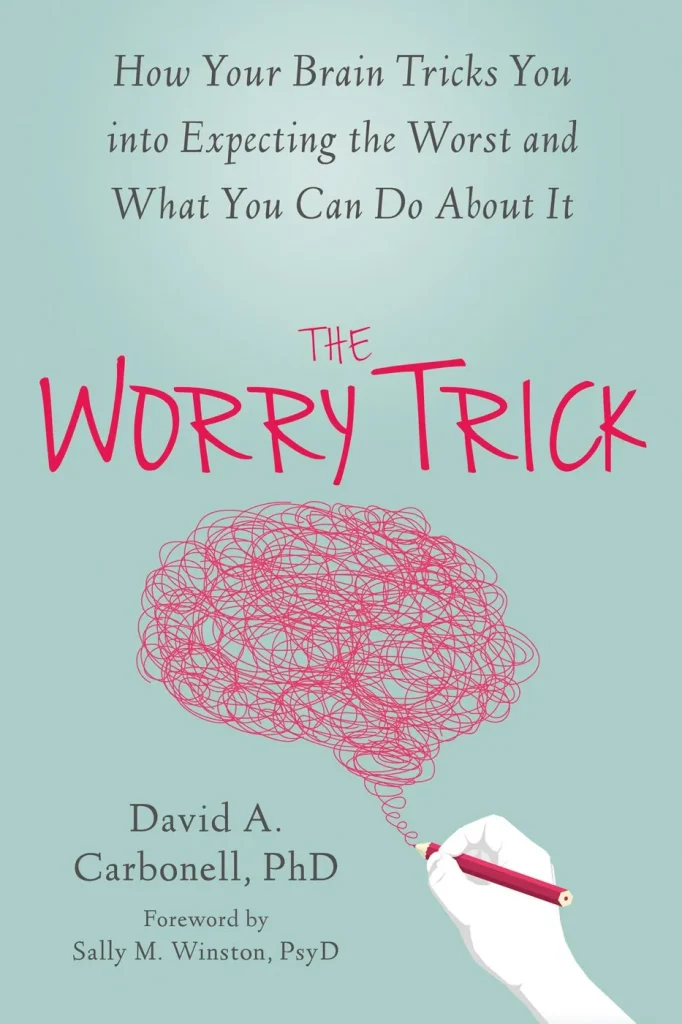
The Worry Trick by David A. Carbonell
Best for understanding the habit of worrying
Many people believe worrying helps them prepare for future problems. They may think that analyzing every possible outcome will make them feel safer or more in control.
The Worry Trick explores why this approach often keeps people stuck. The book explains how worry can become a habit and provides practical strategies for changing the way people respond to uncertainty.
Its approach is especially helpful for readers who understand that excessive worrying is exhausting but still feel unable to stop doing it.
By examining the psychology behind worry, the book helps readers see that worrying less is not about ignoring problems. It is about learning when thinking is useful and when it becomes a repetitive pattern.
Feeling Good by David D. Burns
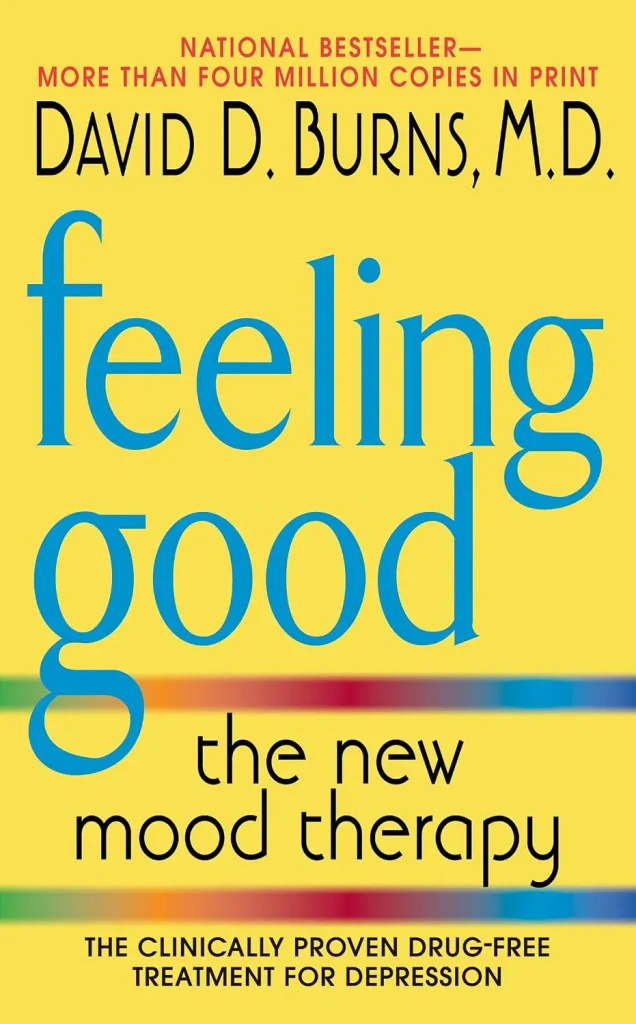
Best for changing negative thought patterns
Many worries become stronger because of the way people interpret situations. A small mistake may feel like a major failure, or an uncertain situation may automatically be viewed as a negative outcome.
Feeling Good explores the connection between thoughts and emotions. The book introduces cognitive behavioral approaches that help readers identify unhelpful thinking patterns and develop more balanced perspectives.
For people whose worrying is connected to self-criticism or negative assumptions, this book provides useful ideas for understanding how thoughts influence emotional experiences.
Why Worry Can Feel Impossible to Turn Off
One reason worry is so difficult to change is that it often feels productive. The mind may convince people that thinking through every possibility will prevent problems or create a sense of control.
However, there is a difference between thoughtful preparation and endless mental repetition. Productive thinking usually leads to action, while excessive worry often keeps people focused on possibilities without creating solutions.
Recognizing this difference can help people notice when their thoughts are helping them and when they are simply increasing stress.
Stopping Worry Does Not Mean Ignoring Problems
Some people worry because they believe it shows responsibility. They may fear that if they stop thinking about a problem, they will become careless or unprepared.
In reality, managing worry is not about refusing to think about important issues. It is about creating a healthier balance where problems can be addressed without allowing them to take over every moment.
Learning when to take action and when to let thoughts pass is an important part of emotional awareness.
Building a Healthier Relationship With Uncertainty
A large part of worry comes from the desire for complete certainty. People naturally want to know what will happen, whether they are making the right choice, or whether everything will turn out well.
However, uncertainty is unavoidable. Developing the ability to handle uncertainty without immediately entering a cycle of worry can create more confidence and emotional stability.
Why Break the Anxiety Circle Is Worth Reading
The three books above explore worry from different angles. The Worry Trick focuses on understanding the habit of worrying, while Feeling Good examines how thoughts influence emotions.
Break the Anxiety Circle by Miles Carter focuses on the deeper cycle connecting anxious thoughts and emotional reactions.
For readers searching for books to help you stop worrying, this book offers practical insights into why worry becomes repetitive and how understanding these patterns can help create a calmer, more balanced mindset.