They say they are busy, but they still make time for other things. They say they like you, but their effort feels inconsistent. They tell you everything is fine, but something feels different.
You check your phone again. You replay the last conversation. You wonder if you are overthinking or if something is actually wrong.
Dating is confusing because people rarely communicate only through words. Their actions, fears, habits, and past experiences all shape how they show up. The challenge is not learning how to decode every text message. It is learning how to understand patterns.
The three books below help you stop guessing and start seeing what is actually happening.
How to Read Someone’s Mind by Miles Carter
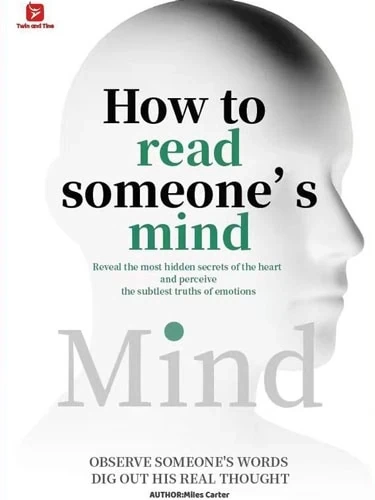
For when you need to know what someone is really communicating.
You have probably had this experience. Someone says all the right things, but something underneath feels wrong. You cannot explain why. You just notice the gap between their words and something else.
Carter wrote this book for people who are tired of second-guessing themselves. He does not teach you to memorize gestures or decode micro-expressions. He teaches you to pay attention to patterns that actually matter: changes in tone over time, shifts in behavior, inconsistencies between what someone says and what they repeatedly do.
Here is the key insight that changes everything in dating: one late reply means very little. A consistent pattern of inconsistency means something. One canceled date could be bad luck. Repeated flakiness tells you something different.
Carter helps you see the difference between a random moment and a meaningful change. You stop analyzing every word and start noticing what actually matters.
Start here if: you keep replaying interactions, trying to figure out if someone is really interested.
Attached by Amir Levine and Rachel Heller
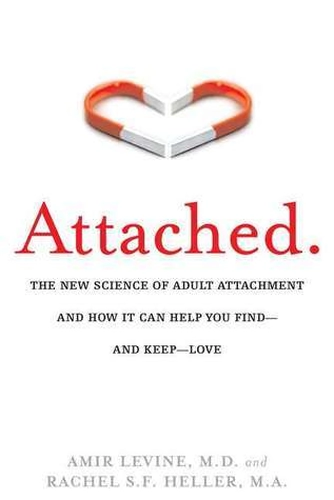
For when you need to understand your own relationship patterns.
Why do you feel anxious when someone pulls away? Why do you lose interest when someone gets too close? Why do you keep attracting the same type of person?
Levine and Heller wrote this book to explain attachment styles—the patterns that shape how we behave in relationships. Secure people are comfortable with intimacy. Anxious people worry about being abandoned. Avoidant people pull away when things get too close.
What makes this book essential for dating is the shift in perspective. You stop asking “what is wrong with them?” and start asking “what is my attachment style and how is it shaping my reactions?”
Understanding your own pattern changes who you choose. You stop chasing people who cannot give you what you need. You stop pushing away people who actually can.
Start here if: you keep repeating the same relationship patterns and cannot figure out why.
Why Does He Do That? by Lundy Bancroft
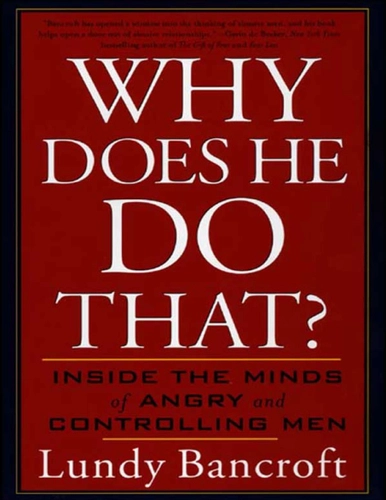
For when you need to recognize unhealthy patterns before it is too late.
You have probably had this experience. Something felt off early on, but you dismissed it. They seemed charming. They seemed interested. You gave them the benefit of the doubt.
Bancroft wrote this book to answer the question that victims ask themselves over and over: “Why does he act this way?”
His answer is uncomfortable but important. Controlling partners do not act the way they do because they are angry, because they had a bad childhood, or because they cannot control their emotions. They act the way they do because they believe they are entitled to control their partner.
The book breaks down the thinking patterns of controlling people. How they justify their behavior. Why they do not change, even when they promise to. Why apologies without changed behavior are not real apologies.
Start here if: you keep making excuses for behavior that does not change and want to understand what is really happening.
Dating is confusing because people are not always honest—with you or with themselves. These books help you see what is actually happening.
Carter helps you read the signals people send. Levine and Heller help you understand your own patterns. Bancroft helps you recognize unhealthy dynamics before you get too far in.
If you are tired of guessing, start with How to Read Someone’s Mind. Before you can understand your patterns or recognize unhealthy dynamics, you need a foundation for noticing what someone is actually communicating.
