Communication affects almost every part of life.
The way you talk with your partner.
The way you explain ideas at work.
The way you handle disagreements.
The way you build friendships.
Yet many people struggle with communication.
Not because they have nothing to say.
But because they do not know how to say it effectively.
Maybe you often think:
“I know what I want to say, but I can’t explain it clearly.”
“I worry people will misunderstand me.”
“I become nervous during important conversations.”
Good communication is not a natural talent that only some people have.
It is a skill that can be developed.
The right books can help you understand how words, emotions, and conversations work together.
1. Say It Right Every Time
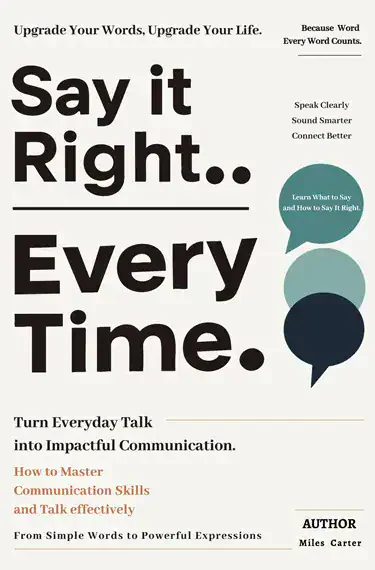
Best for: Improving everyday communication through better word choices
Many people focus only on what they want to say.
But effective communication also depends on how the message is delivered.
The same idea can create completely different reactions depending on the words, tone, and timing.
Say It Right Every Time helps readers understand the relationship between language and communication outcomes.
The book focuses on improving:
- Clarity of expression
- Everyday conversations
- Communication habits
- The way messages are received
It is especially useful for people who often experience situations like:
“I explained myself, but they still misunderstood.”
“I wanted to help, but my words sounded wrong.”
“I knew my point, but I couldn’t communicate it well.”
Small changes in communication style can create meaningful improvements in relationships and interactions.
2. How to Win Friends and Influence People
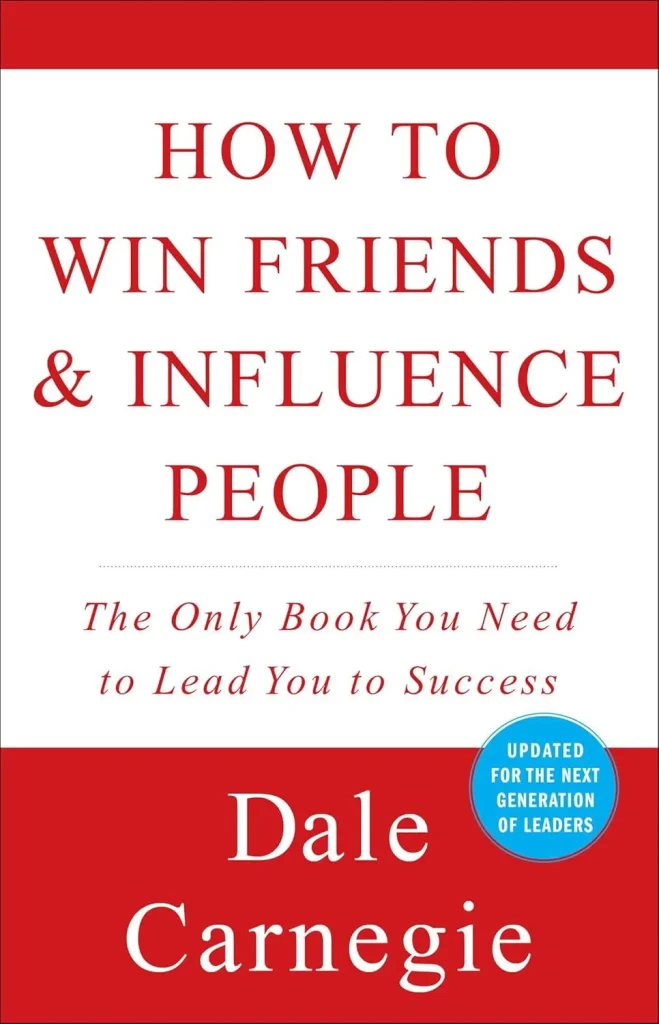
Best for: Building stronger connections with others
Communication is not only about sharing information.
It is also about creating positive relationships.
How to Win Friends and Influence People by Dale Carnegie is one of the most recognized books about interpersonal communication.
The book explores ideas such as:
- Showing genuine interest in others
- Listening effectively
- Understanding human behavior
- Creating positive interactions
Its lessons focus less on speaking perfectly and more on understanding people.
Because great communication starts with connection.
3. Talk Like TED
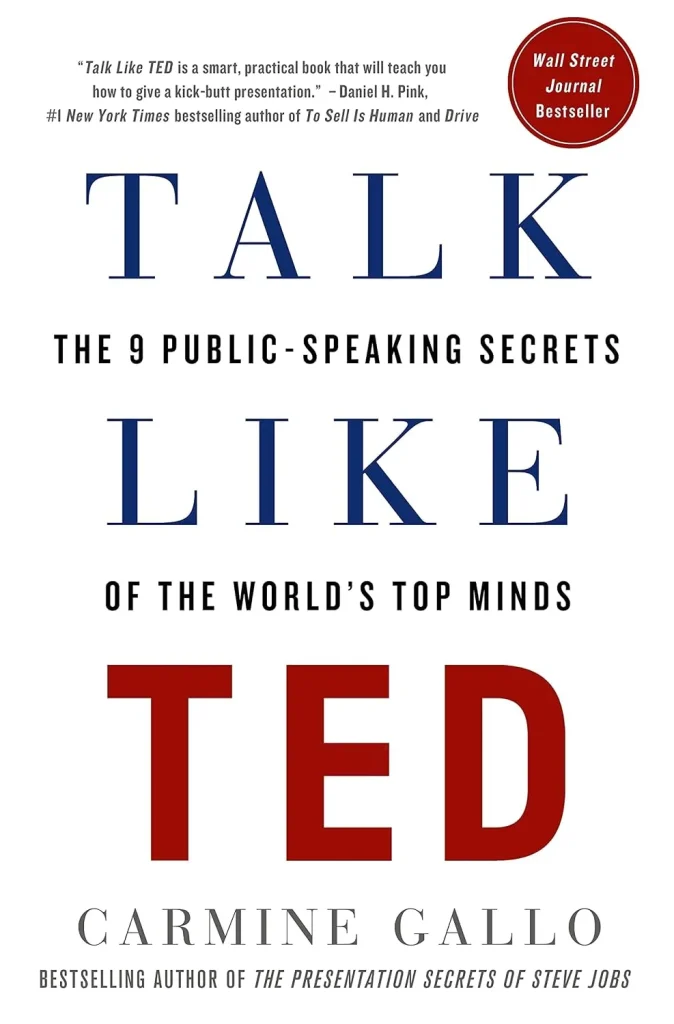
Best for: Expressing ideas in a memorable way
Some communication challenges happen when people struggle to present ideas.
They may understand something clearly but have difficulty explaining it.
Talk Like TED by Carmine Gallo explores techniques used in powerful presentations and storytelling.
The book covers:
- Creating engaging messages
- Using stories effectively
- Making ideas easier to remember
- Speaking with confidence
For people who want to improve public speaking and idea-sharing skills, this book offers practical inspiration.
Communication Is More Than Choosing the Right Words
Many people think good communicators are simply people who talk well.
But communication involves much more:
Listening.
Understanding.
Responding.
Adjusting.
A person can have perfect vocabulary and still create misunderstandings.
Another person can use simple words and create meaningful connections.
The difference is emotional awareness.
Strong Communication Starts With Understanding
The best conversations are not about proving yourself.
They are about creating mutual understanding.
When you communicate clearly, people know:
What you need.
What you mean.
What matters to you.
This reduces confusion and creates stronger relationships.
Improving Communication Is a Lifelong Skill
Whether in relationships, work, or everyday interactions, communication shapes how people experience us.
Better communication can help you:
- Express ideas more confidently
- Handle disagreements calmly
- Build stronger relationships
- Avoid unnecessary misunderstandings
Say It Right Every Time is a useful choice for anyone who wants to become more intentional with their words and improve everyday conversations.
Because communication is not only about speaking.
It is about making sure your message truly reaches another person.