Good verbal communication is not always about having an impressive vocabulary or sounding polished. Someone can speak beautifully and still leave people confused, while another person with very simple language can explain an idea so clearly that everyone understands it immediately.
Think about a typical conversation at work. Someone asks for your opinion, but you give a long answer before reaching the point. A colleague disagrees, and you start defending yourself instead of responding to the actual argument. Or you meet someone new and spend so much time worrying about what to say next that you barely listen to what they are telling you.
Verbal communication is made up of many small skills working together: listening, choosing words, organizing an idea, asking useful questions, responding under pressure, and knowing when a conversation needs more detail or less.
How to Talk to Anyone by Leil Lowndes
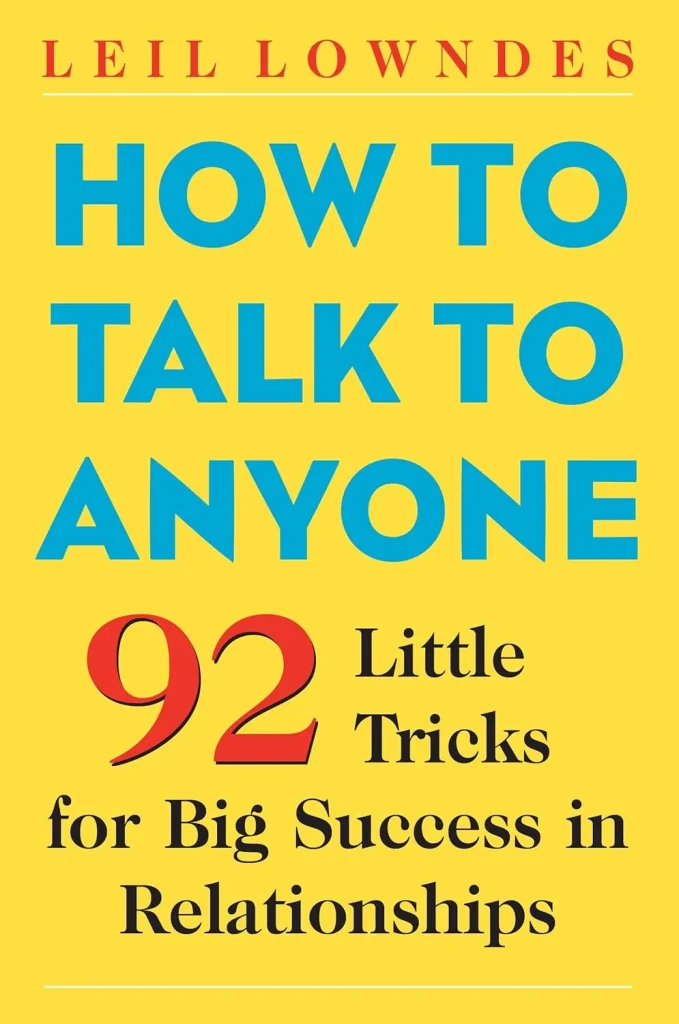
How to Talk to Anyone is aimed squarely at everyday social communication. McGraw Hill’s edition is organized around practical situations such as what to say after an introduction, how to keep a conversation going, how to talk in groups, and how to create stronger social connections.
That makes it a useful choice for readers whose verbal communication problems show up most often in social situations. You may know how to talk to people you already know but become less comfortable when meeting strangers, joining a group, or trying to keep a conversation from becoming awkward.
Say It Right Every Time by Miles Carter
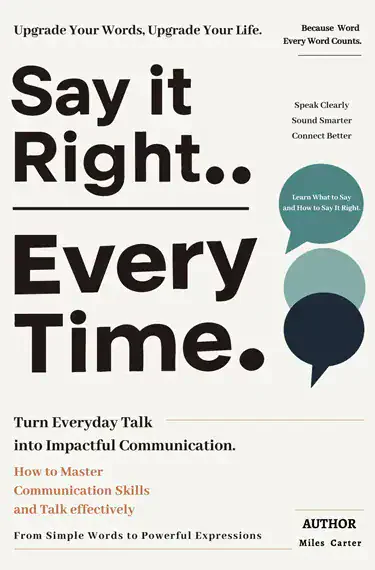
Say It Right Every Time focuses on the moments when verbal communication has to work in real time. It covers starting conversations, keeping them going, getting your point across, expressing honest opinions, responding to compliments, disagreeing without creating distance, and speaking confidently under pressure.
The book is also concerned with what happens when communication becomes less comfortable. It addresses rude comments, unwanted advice, difficult people, boundaries, and situations where emotions can make it difficult to choose the right response.
For readers who do not simply want to “sound better” but want to handle actual conversations more smoothly, that practical focus can make the advice easier to apply.

Say it Right..Every Time.
Miles CarterPractical communication tools for the moments that matter — say what you mean, calmly and confidently.
How to Communicate Like a Buddhist by Cynthia Kane
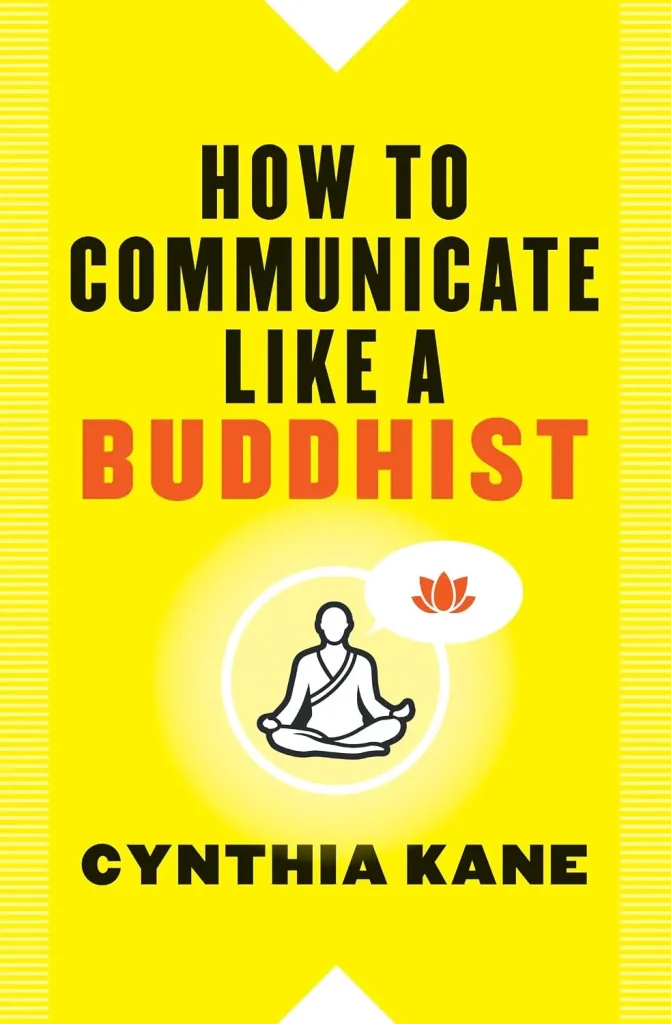
How to Communicate Like a Buddhist takes a more mindful approach to verbal communication. The book focuses on mindful listening, mindful speech, and mindful silence, with practical attention to listening to yourself, listening to others, speaking consciously and clearly, and becoming more comfortable with pauses.
That last point is particularly interesting for people who talk quickly when nervous. Sometimes improving verbal communication is not about adding another sentence. It is about becoming comfortable enough to pause, listen, and decide what you actually want to say.
Difficult Conversations by Douglas Stone, Bruce Patton, and Sheila Heen
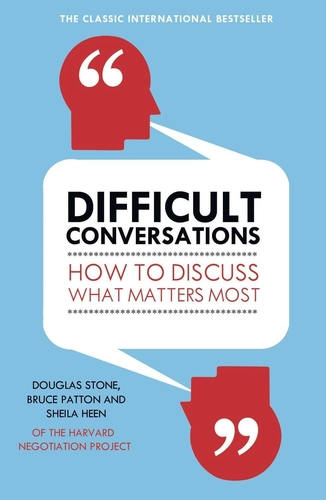
Difficult Conversations is a strong option when verbal communication breaks down under emotional pressure. The book explores conversations involving disagreement, feedback, responsibility, workplace problems, relationships, and other subjects people often avoid.
Its value for verbal communication lies in the structure beneath the words. When a conversation becomes tense, people can lose track of what they are actually trying to discuss. Understanding the layers of a difficult conversation can help you respond to the real issue instead of getting pulled into defensiveness.
Crucial Conversations by Joseph Grenny, Kerry Patterson, Ron McMillan, Al Switzler, and Emily Gregory
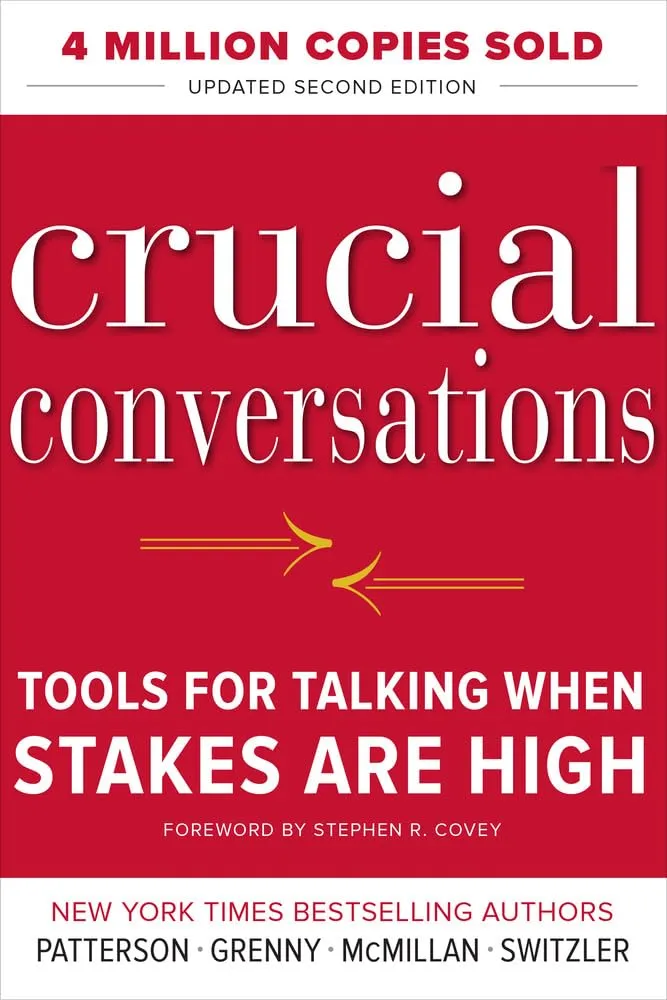
Crucial Conversations focuses on conversations where the stakes are high, opinions differ, and emotions are strong. The book offers a framework for communicating effectively when people feel challenged, defensive, or under pressure.
That makes it particularly relevant for people whose communication is usually fine until the pressure rises. You may communicate clearly with friends but struggle during conflict, feedback conversations, negotiations, or moments when you suddenly feel challenged.
Verbal Communication Is More Than Speaking
A useful way to think about communication is to break it into what happens before, during, and after your words.
Before you speak, you need to understand what you actually want to communicate. While speaking, you need enough structure to keep the message coherent. Afterward, you need to pay attention to the other person’s response and adjust when necessary.
Listening sits inside all three stages.
If you are already planning your answer while the other person is talking, you will often miss information that could have made your response shorter and more relevant. If you are waiting for the perfect phrase, you may miss the natural opening to continue the conversation.
Clear Communication Often Uses Ordinary Words
People sometimes try to improve their verbal communication by making their language more sophisticated. That can have the opposite effect.
If a simple sentence explains the idea, there is no reason to replace it with a complicated one. “I need another day” is clearer than a long explanation filled with qualifications about workload, timing, and competing priorities.
The strongest communicators are not necessarily the people who use the most impressive language. They are often the people who make it easiest for everyone else to understand what matters.
A Better Conversation Is Usually a Two-Way Process
The five books above cover different parts of verbal communication. How to Talk to Anyone focuses on social interaction, Say It Right Every Time on practical wording and difficult everyday moments, How to Communicate Like a Buddhist on mindful speech and listening, Difficult Conversations on navigating challenging discussions, and Crucial Conversations on communication when the stakes and emotions are high.
That range is useful because verbal communication problems are rarely all the same. Someone who struggles with small talk does not necessarily need the same kind of help as someone who freezes during conflict. Another person may have no trouble speaking at all but need to become a much better listener.
Improving verbal communication is ultimately less about finding one perfect technique and more about becoming better at knowing what the moment requires.
Did this article help you see things differently? Our books turn helpful ideas into practical tools you can return to anytime.


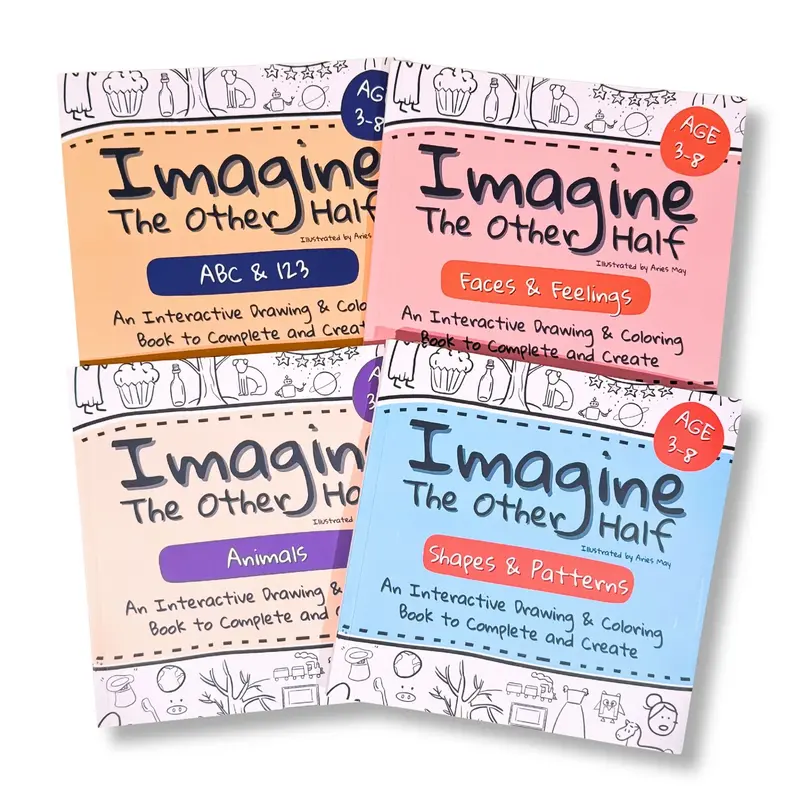
Imagine The Other Half
$24.99

