Build Wealth Without Losing Sleep
I have a shelf of investing books. Maybe fifteen of them. For years I thought the problem was that I hadn’t read enough. Then I realized I was reading about stocks while my actual money problems sat in a completely different room.
Most books jump straight into price-to-earnings ratios and index funds. Useful, yes. But if you are living paycheck to paycheck, a chapter on compound interest reads like a joke told by someone who has never checked a bank balance at 11pm.
The root issue is usually not knowledge. It is the habits and assumptions underneath. We spend more as income rises. We rely on one source of income. We confuse an expensive purchase with wealth. Sound familiar?
Quick answer: How do I start learning about investing without getting overwhelmed?
You fix your money mindset first, build more than one income stream, learn the difference between assets and liabilities, and only then start putting money into the market.
Here are three books to learn investing in the stock market. One helps you rethink wealth from the ground up. One shows you how to hire the right financial advisor. One explains how the world your investments live in actually works.
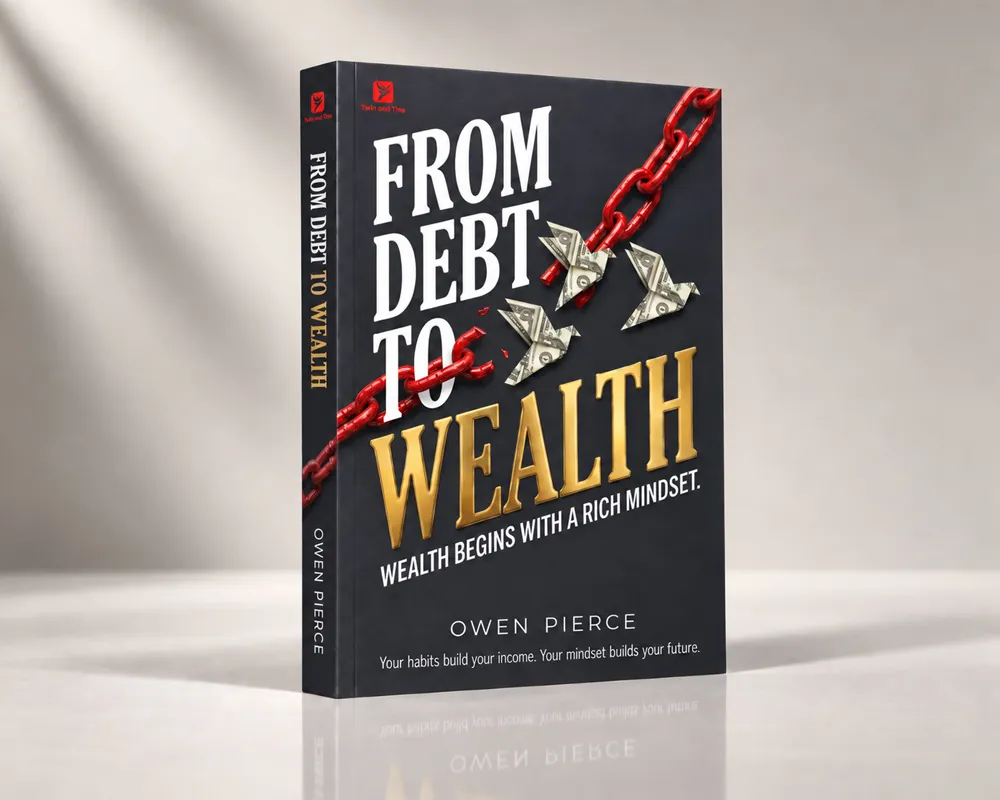
From Debt to Wealth
By Owen Pierce
This is the book I keep returning to because it respects the whole picture.
What makes this book different:
Most investing books start with what to buy. This one starts with how you think. The structure itself teaches something. Part one is The Rich Mindset. Part two covers Ways to Make Money. Part three is Money-Making Habits. Part four handles Saving, Debt and Investing. Part five is The Psychology of Money.
Notice the order. Mindset first. Mechanics third. Psychology last but treated as a core skill, not a footnote.
What you get:
- Why a salary is a starting point, not the goal
- How to tell the difference between assets and liabilities in your own life
- Why luxury is often a display of money you don’t have
- How to build systems that earn beyond your hours
One key idea: Assets feed you. Liabilities eat you. A house and a car are usually liabilities, not assets. That one hurt. But it explained a lot.
Best for: Anyone who wants to rethink wealth from the ground up before putting money into the market.
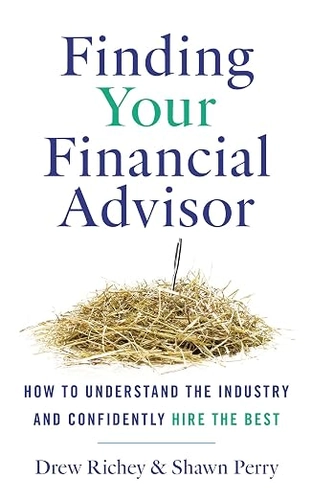
Finding Your Financial Advisor
By Drew Richey and Shawn Perry
This is a short, honest read. Sixty minutes or less.
What makes this book different:
It explains how to interview an advisor and what minimum standards to expect. I wish I had read it before my first meeting with one.
What you get:
- How to understand the financial advisory industry
- Questions to ask before hiring anyone
- What red flags to watch for
- How to confidently choose the right person to help you
One key idea: You do not need to know everything about investing. But you do need to know how to hire someone who does.
Best for: Anyone who wants professional help but does not know where to start or who to trust.
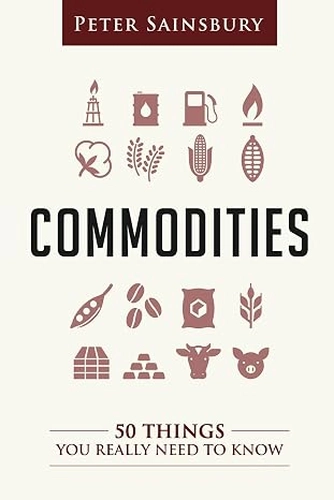
Commodities: 50 Things You Need To Know
By Peter Sainsbury
This is not a stock-picking book. It is a book about understanding the world your investments live in.
What makes this book different:
It explains the basics in fifty short essays. Easy to read. Easy to dip in and out.
What you get:
- How commodities connect to the wider economy
- Why real-world resources matter for your investments
- A broader view of how markets work
- Fifty short lessons you can read in any order
One key idea: You do not invest in a vacuum. Understanding the world around your investments makes you a better investor.
Best for: Anyone who wants a wider view of how markets and real-world resources connect.
The Sticky-Note Rule
Books change nothing until a habit carries the idea into daily life. So my wife and I made one rule. We call it the Sticky-Note Rule.
Every time a book gives us one useful idea, we write it on a sticky note and stick it where money decisions happen. The fridge. The laptop. The folder where bills live.
We only allow three notes at a time. If a new idea deserves a spot, an old note has to come down. This forces us to keep only what we actually practice.
Right now the three notes read:
| Note | What it means |
|---|---|
| Pay yourself first | Save before you spend |
| Invest before you spend, not after | Put money into assets before lifestyle |
| Mastery before diversification | Get excellent at one thing first, then expand |
That last one surprised me. I always thought spreading money around was the safe move. The book argues you should get excellent at one thing first, then expand.
Which Book Should You Read First?
| If your problem is… | Start with… |
|---|---|
| You do not understand how you think about money | From Debt to Wealth |
| You want professional help but do not know who to trust | Finding Your Financial Advisor |
| You want to understand the bigger economic picture | Commodities: 50 Things You Need To Know |
You do not need all three. Pick the one that matches where you are right now.
Final Thought
I still have fifteen investing books on the shelf. Some I will never finish. That is fine.
What changed was not how many I read. It was the one sticky note on the fridge that now gets read out loud every morning, mispronouncing “diversification” in a way that makes everyone laugh.
You will learn the word eventually. And you will learn what it means from watching your own habits, not from a book. That is the part no chapter can teach.
Start with one book. Try one technique. See what happens.
Frequently Asked Questions
Do I need to read investing books before I start investing?
No. But understanding how you think about money first will save you from expensive mistakes later.
Which book is best for complete beginners?
From Debt to Wealth is the best starting point. It covers mindset, income, habits, and mechanics in a logical order.
What if I already have a financial advisor?
Finding Your Financial Advisor helps you evaluate whether you have the right one. It is never too late to ask better questions.
Do I need to read all three?
No. But they work well together. One gives you the foundation. One gives you professional guidance. One gives you the bigger picture.
Did this article help you see things differently? Our books turn helpful ideas into practical tools you can return to anytime.



Break the Anxiety Circle
$19.90

From Debt to Wealth
$19.90


