You have probably had this experience. Someone said something that felt wrong, but you could not explain why. You walked away from a conversation feeling smaller than before. You agreed to something you did not want to agree to. You trusted someone who later proved untrustworthy.
Most of us spend our lives ignoring these signals. The problem is not that you are naive. The problem is that you were never taught to see what is actually happening beneath the surface. The three books below will change that.
Awakening to Human Nature by Owen Pierce

Most of us walk through life assuming people are basically good. We trust what they say. We believe their promises. We assume their actions match their words.
Pierce starts with a different premise: people are driven by hidden motives, unspoken interests, and conflicting instincts. To protect yourself and avoid being hurt, you must first understand the unwritten laws that govern how people think, feel, and behave.
The book is built around seven core sections. It teaches you how to see through appearances, recognize self-deception, understand double standards, and navigate hidden conflicts. Why do people crave validation over truth? Why does loyalty expire when needs change? Why is kindness often exploited? Why are the smartest voices frequently attacked?
Pierce gives you practical tools for protecting yourself—recognizing emotional blackmail, avoiding manipulation, reading others’ true intentions. This is not a book about becoming cynical. It is a book about seeing people clearly. It helps you stop being naive without becoming cold.
If you have ever felt like you were missing something in every interaction, this book will give you a complete framework.

Awakening to Human Nature
Owen PierceA practical guide for understanding hidden motives, social patterns, emotional pressure, and manipulation—so you can read situations more clearly and protect your boundaries with confidence.
The Gift of Fear by Gavin de Becker
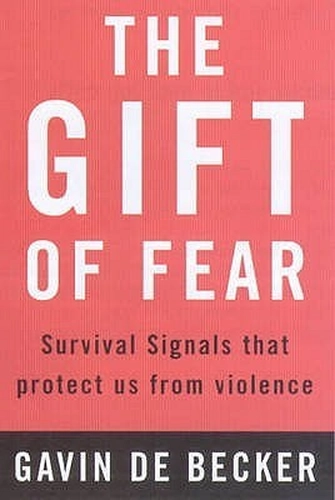
Some manipulation is obvious. Some is not. The most dangerous kind often comes wrapped in charm, kindness, or politeness.
De Becker is the nation’s leading expert on predicting violent behavior. His argument is simple: your intuition is not paranoia. It is your brain processing information faster than your conscious mind can keep up.
The book is full of real-life stories. He teaches you to spot the warning signs that precede violence, manipulation, and control. He shows you how to distinguish real fear from false anxiety. He explains why we override our instincts in favor of being polite—and why that is the most dangerous thing we can do.
One of the most useful sections covers the tactics manipulators use to gain trust quickly. If you have ever ignored a gut feeling and regretted it later, this book will give you the confidence to stop doing that.
In Sheep’s Clothing by George Simon
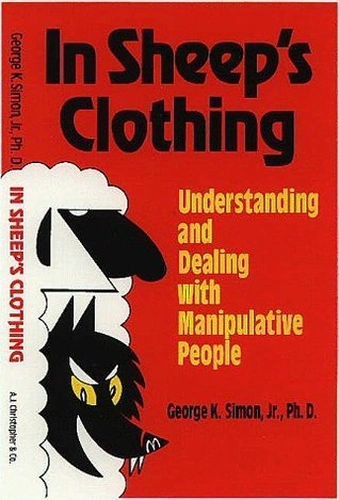
Some people are not just difficult. They are manipulative. And the most manipulative people are often the hardest to spot because they hide behind a mask of normalcy.
Simon is a psychologist who specializes in manipulative personalities. This book helps you understand people who use manipulation as their primary strategy. They do not operate by the same rules. They do not care about fairness or reciprocity. They care about winning.
Simon gives you practical tools for dealing with these people. How to recognize their tactics. How to stop being manipulated in the moment. How to set boundaries they cannot cross. The most valuable distinction is between neurotic behavior and manipulative behavior: neurotic people feel anxiety and guilt. Manipulative people do not. They use your guilt, your empathy, your desire to be a good person as weapons against you.
If you have ever been in a relationship with someone who made you feel crazy, this book will show you what was really happening.
Pierce gives you the complete framework. De Becker teaches you to trust your instincts when something is off. Simon shows you how to spot and handle people who use manipulation as a weapon.
Start with Pierce for the big picture. Then read de Becker to learn to trust yourself. Finally, pick up Simon to recognize the people in your life who use manipulation as a strategy.