You tell him something. He responds in a way that leaves you unsure. He said one thing, but his tone said another. You are left replaying the conversation, trying to figure out what actually happened.
You are not confused because you are reading too much into things. You are confused because the signals are inconsistent. People who are clear and consistent do not create confusion. People who are sending mixed signals do. The difference is observable.
Here are three books that help you tell the difference.
How to Read Someone’s Mind by Miles Carter
A person who is playing games relies on one thing: uncertainty. If you are unsure about where you stand, they can keep you in that space longer. You spend more time trying to interpret them than evaluating whether their behavior is acceptable.
Carter teaches you to read people through face, body, voice, and context. A person who is genuinely interested shows it consistently. A person who is testing boundaries will show a pattern of inconsistency—warm one day, distant the next; responsive in private, vague in public; promising things but never following through.
Once you start tracking the pattern instead of each isolated moment, you stop second-guessing. You see the inconsistency for what it is. That clarity removes the guesswork.
If you have ever been confused by someone’s mixed signals, this book gives you a way to read them clearly.
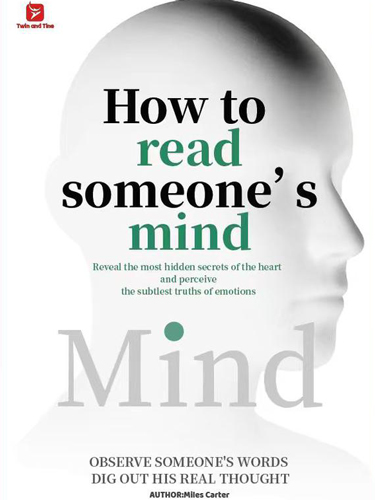
How to Read Someone’s Mind
Miles CarterPractical tools for reading body language, tone, and hidden intentions in real time. Spot what people aren’t saying — before you trust the wrong person.
Why Men Love Bitches by Sherry Argov
Argov argues that many women get caught in the trap of overcompensating for men who are emotionally unavailable. She offers a framework for recognizing when a partner is testing boundaries or avoiding commitment, and shows how to respond in ways that protect your self-respect without playing the same games.
If you want practical advice on how to respond when you notice the signs, read this.

The Art of Seduction by Robert Greene
Greene identifies patterns of psychological manipulation and emotional games across history. The book is not a guide to using these tactics—it is a catalog of them. Understanding the patterns makes them easier to recognize when you encounter them in real life.
If you want to see the patterns behind the games, read this.

Where to start
Greene gives you the patterns. Argov gives you the response. Both are useful.
But Carter gives you something neither does: a real-time observation framework that does not require you to be an expert or to assume the worst. You learn to track consistency and inconsistency in behavior, regardless of the specific game being played. That skill works in any relationship, not just romantic ones.
Read the others if you want. They are useful. But start with Carter—because recognizing the pattern is the first step. Responding comes after.
Three books on psychological games in relationships. One gives you observation. One gives you response. One gives you the patterns. Start with the one that helps you see clearly.
Frequently Asked Questions
How do I know if someone is playing games or just being cautious?
Cautious people are clear about their boundaries. They may move slowly, but they do not create confusion. A pattern of inconsistency—warmth followed by distance, promises not kept, statements that contradict previous ones—is a stronger indicator of game-playing than cautiousness.
Does this apply only to romantic relationships?
The same observation framework applies to friendships, family, and professional relationships. The patterns of inconsistency are the same. The stakes are just different.
