After a minor oversight in a routine work email, Lauren spent five minutes fixing the mistake and the next five hours punishing herself for it.
The familiar loop started immediately. You always screw this up. You should have known better. Everyone in that thread is judging you right now. While the actual problem was solved instantly, the harsh commentary followed her through every meeting for the rest of the day, leaving her drained and hyper-vigilant.
An inner critic is particularly dangerous because it speaks in your own voice. It disguises itself as a necessary tool for self-improvement or high standards, while its real effect is keeping you trapped in a cycle of shame, anxiety, and fear.
Relentless self-criticism doesn’t make you perform better. It simply makes you afraid to live freely.
These essential titles break down the psychological mechanics of harsh self-judgment—offering practical strategies to turn down the volume on internal criticism, build genuine self-compassion, and regain your peace of mind.

1. Break the Anxiety Circle by Miles Carter
Break the Anxiety Circle connects harsh self-talk with overthinking and recurring mental patterns. A critical thought does not always stay as one thought; it can lead to more analysis, more doubt, and another round of criticism.
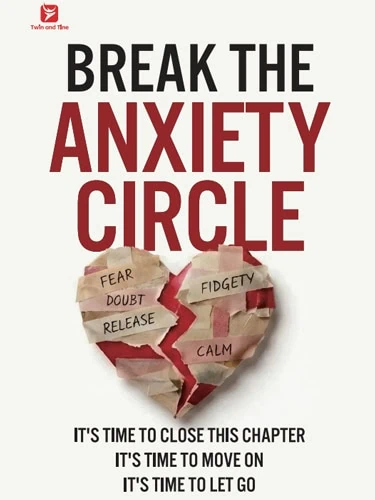
The book is useful for readers who notice that one mistake quickly turns into a much bigger story about themselves. Instead of simply telling yourself to think positively, it focuses on recognizing how the mental cycle develops and why it keeps repeating.
It also looks at self-worth, perfectionism, and the pressure to meet other people’s expectations. That wider perspective matters because an inner critic often gets louder when your sense of worth depends on getting everything right.

Break the Anxiety Circle
Miles CarterA mental reset for people trapped in the overthinking loop. Understand why your mind won’t stop racing — and how to break free from anxiety, people-pleasing, and emotional exhaustion.
2. Self-Compassion by Kristin Neff
Self-Compassion explores a different response to self-criticism: treating yourself with the same understanding you would offer someone you care about. Kristin Neff explains self-compassion through three main ideas: self-kindness, common humanity, and mindfulness.
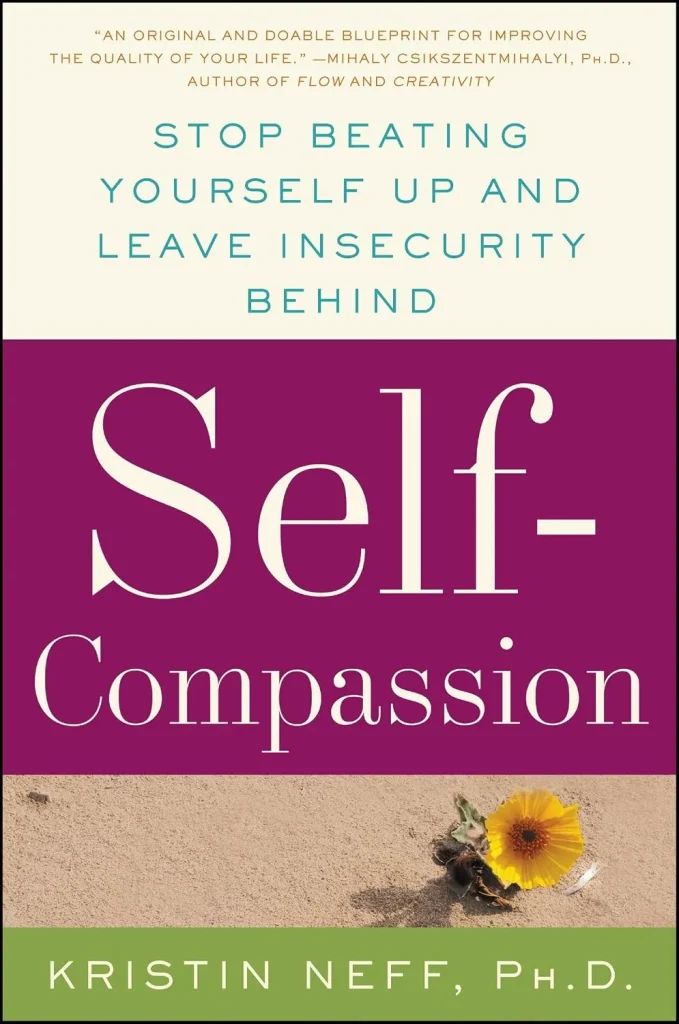
This can be especially relevant for people who believe harsh self-talk keeps them motivated. If every mistake leads to insults, shame, or relentless correction, the inner critic can become so familiar that it feels necessary. The book offers a way to challenge that assumption without ignoring responsibility or personal growth.
Instead of asking, “How can I become less flawed?” the approach encourages a more balanced question: “How can I respond to myself when I am struggling?” That shift can change the tone of self-reflection without turning into empty reassurance.
3. The Gifts of Imperfection by Brené Brown
The Gifts of Imperfection looks at the relationship between perfectionism, shame, self-worth, and the pressure to meet impossible standards. It is particularly relevant for readers whose inner critic becomes strongest when they feel they are falling short.
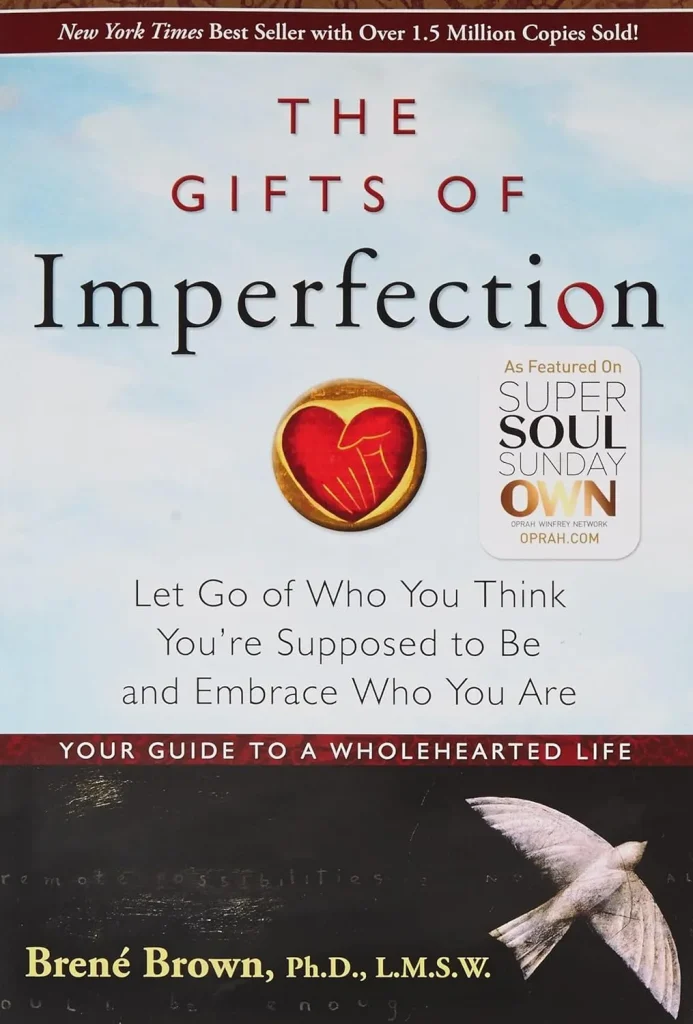
Brown encourages readers to let go of the belief that worth has to be earned through flawless performance. This can be useful when your internal dialogue sounds less like encouragement and more like a constant evaluation of whether you are doing enough.
The book also broadens the conversation beyond negative thoughts. It explores how vulnerability, comparison, and the need to appear perfect can keep people disconnected from themselves. For some readers, that bigger picture helps explain why the critic became so powerful in the first place.
When the Inner Critic Gets Loud
It can help to notice what tends to trigger your harshest self-talk. Common patterns include:
- making a visible mistake
- comparing yourself with someone who seems more successful
- worrying that someone is disappointed in you
- feeling behind or not good enough
- replaying something embarrassing you said
Once you notice the pattern, the goal is not to replace every negative thought with a positive one. It is to stop automatically accepting the harshest interpretation as the truth.
A Softer Voice Can Still Keep You Accountable
Silencing your inner critic does not mean ignoring mistakes or refusing to improve. A healthier internal voice can still tell you that something needs to change, but it does so without turning one bad moment into a judgment of your entire character.
That distinction is what makes these books useful. They are not simply about thinking happy thoughts; they explore how to create a more stable relationship with yourself when things go wrong.
If you found this helpful, these books go deeper into the same themes.



Break the Anxiety Circle
$19.90

From Debt to Wealth
$19.90

