You check your bank account. Your stomach tightens.
You know you have enough to cover the bills. But the feeling does not go away.
You worry about the future. You compare yourself to others. You feel guilty when you spend. You feel behind no matter how much you earn.
Money anxiety is not always caused by the amount of money you have. It is often shaped by your beliefs, experiences, uncertainty, and relationship with money.
The goal is not to become a financial expert. The goal is to feel safe, calm, and in control around money.
Why money anxiety is not about the numbers
Most people assume financial anxiety comes from not having enough. But that is only part of the story.
Many people who earn good money still feel anxious. Many who have savings still worry. The problem is not always the balance. It is the way you experience money.
Money anxiety often comes from three places:
Your beliefs. The messages you absorbed about money growing up. “Money is tight.” “Rich people are greedy.” “You should never spend on yourself.”
Your emotions. The shame, fear, and guilt that get triggered when you look at numbers or make a purchase.
Your uncertainty. The feeling that you do not know enough to make the right decisions.
The five books below address these layers. They are not about getting rich quick. They are about helping you feel safe, calm, and in control around money.
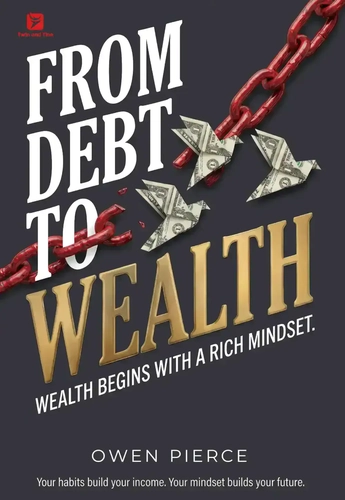
From Debt to Wealth by Owen Pierce
Understand why your wealth mindset keeps you anxious
Many people feel anxious about money because they see it only as something to chase or fear. They never develop a relationship with money that creates peace.
Pierce argues that lasting financial confidence comes from understanding how wealth is actually built—not just from earning more or cutting expenses.
He explains why a salary is a starting point, not a destination. Why luxury is often a display of money you do not have. Why trading time for income has a ceiling. And why the fastest path to financial freedom is investing in yourself first.
The goal is not to become wealthy overnight. It is to stop seeing money as something that controls you and start seeing it as something you can build.
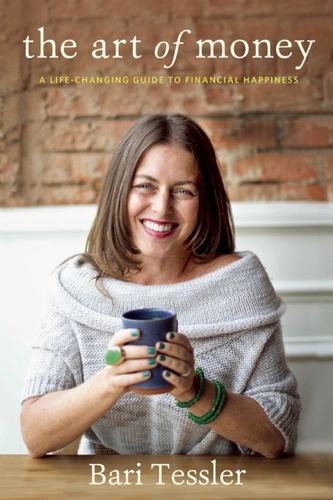
The Art of Money by Bari Tessler
Heal your emotional relationship with money
Most finance books talk about numbers. This one talks about feelings.
Tessler, a financial therapist, helps you examine the emotional side of money. The shame you feel when you look at your account. The fear that you are behind. The guilt that comes with spending. The avoidance that makes everything worse.
She walks you through a process of understanding your money story—where your beliefs came from, what triggers your anxiety, and how to build a gentler relationship with your finances.
This book is for people who know what they should do but cannot seem to do it because money triggers something deeper.
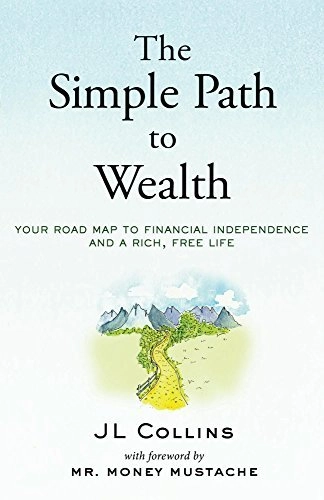
The Simple Path to Wealth by JL Collins
Replace money fear with a clear long-term plan
Much of money anxiety comes from uncertainty. You do not know if you are doing the right thing. You do not know what will happen next. You do not know if you will have enough.
Collins offers something simple: a clear, straightforward plan. Save. Invest in low-cost index funds. Stay the course. That is it.
The book is not complicated because the problem is not complexity. The problem is fear of the unknown. Collins gives you a framework that reduces uncertainty, so you stop worrying about whether you are doing it right.
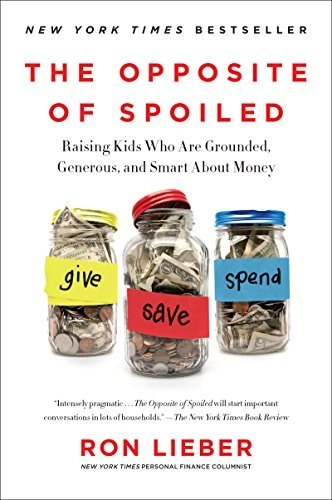
The Opposite of Spoiled by Ron Lieber
Understand how your money beliefs were formed
Many adults carry money anxiety that started in childhood. The things you heard growing up. The way your family talked about money. The messages you absorbed without realizing it.
Lieber, a personal finance journalist, wrote this book about raising financially grounded kids. But the deeper value is for adults: understanding where your money beliefs came from in the first place.
If you grew up hearing “money is always tight,” that belief may still be driving your anxiety today. If you learned that “talking about money is rude,” you may be avoiding the very conversations that could help you.
This book helps you see the origin of your money anxiety—so you can stop being controlled by beliefs you did not choose.
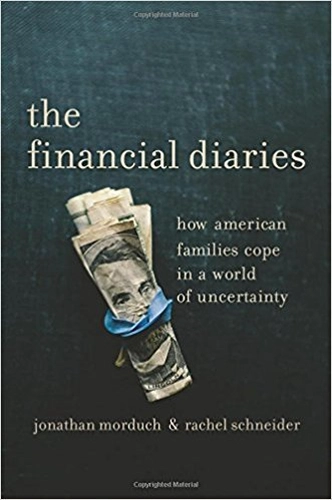
The Financial Diaries by Jonathan Morduch and Rachel Schneider
Understand why financial insecurity feels so exhausting
This book is different from the others. It is not a guide. It is a study.
Morduch and Schneider followed hundreds of American families, tracking their real income and spending over time. They found that financial insecurity is not just about low income. It is about instability, unpredictability, and the constant stress of managing uneven cash flow.
For many people, the anxiety comes from not knowing what will happen next week, next month, or next year. This book helps you understand that you are not alone—and that the system, not your personal failure, often creates the stress.
Quick comparison
| Book | What it helps you address |
|---|---|
| From Debt to Wealth | Your wealth mindset and long-term vision |
| The Art of Money | The emotional relationship with money |
| The Simple Path to Wealth | Fear of the unknown and uncertainty |
| The Opposite of Spoiled | Money beliefs formed in childhood |
| The Financial Diaries | The stress of financial instability |
How these books work together
These five books approach money anxiety from five different angles.
First, understand your mindset.
From Debt to Wealth shows you how your view of money shapes your anxiety.
Second, understand your emotions.
The Art of Money helps you examine the feelings that money triggers.
Third, understand your path.
The Simple Path to Wealth gives you a clear framework to reduce uncertainty.
Fourth, understand your past.
The Opposite of Spoiled reveals where your money beliefs came from.
Fifth, understand your reality.
The Financial Diaries helps you see that systemic factors, not personal failure, often cause financial stress.
Together, they help you move from anxiety to calm—not by making you rich, but by changing how you experience money.
FAQ
Why do I feel anxious even when I have enough money?
Because money anxiety is rarely about the number. It is about beliefs, uncertainty, and emotional triggers that have nothing to do with your current balance. You can have enough and still feel unsafe.
How do I stop worrying about money all the time?
Start by understanding the source of your anxiety. Is it your past? Your uncertainty about the future? Your guilt around spending? The answer determines the fix. Reading broadly across different angles helps you find what actually applies to you.
Why does spending money make me feel guilty?
Often because you have absorbed messages that “saving is good” and “spending is bad.” But money is not just for saving. It is for using intentionally. The guilt comes from a lack of clarity about what you value.
Can reading books actually reduce financial anxiety?
Yes—if they help you see what you were missing. Most money anxiety comes from invisible beliefs and unexamined emotions. Books that help you identify those patterns can create real change.
