A parent watches her child pack a school bag and immediately steps in. The homework folder is in the wrong pocket, the water bottle is not full, and the books are not arranged the way she would do it. She fixes everything in less than a minute, but later wonders why her child still waits for someone to tell him what to do.
Micromanaging can start from a very understandable place. Parents want things done properly, they want to prevent unnecessary mistakes, and they may simply be trying to make family life run more smoothly. The trouble comes when checking, correcting, reminding, and stepping in become so frequent that the child has little opportunity to manage ordinary problems independently.
Becoming less controlling does not mean becoming uninvolved. It means getting better at deciding which situations actually need your intervention and which ones can become opportunities for your child to practice responsibility.
1. The Parent You Aspire to Be by Miles Carter

The Parent You Aspire to Be directly addresses several habits that can turn helpful parenting into over-management. The book looks at over-reminding, constant correction, stepping into every child conflict, and the tendency to solve problems before children have a chance to work through them.
It also emphasizes the importance of firm and kind boundaries while giving children appropriate space. Parents are encouraged to remain supportive without turning themselves into a constant supervisor who checks every decision and fixes every mistake.
This makes the book particularly relevant for parents who recognize themselves in the “Let me just do it” habit. Its approach is not about withdrawing from a child’s life, but about learning when support is genuinely needed and when stepping back can help a child become more capable.

The Parent You Aspire to Be
Miles CarterPractical guidance for tantrums, backtalk, lying, screen addiction, emotional outbursts, and everyday parenting struggles.
2. The Gift of Failure by Jessica Lahey
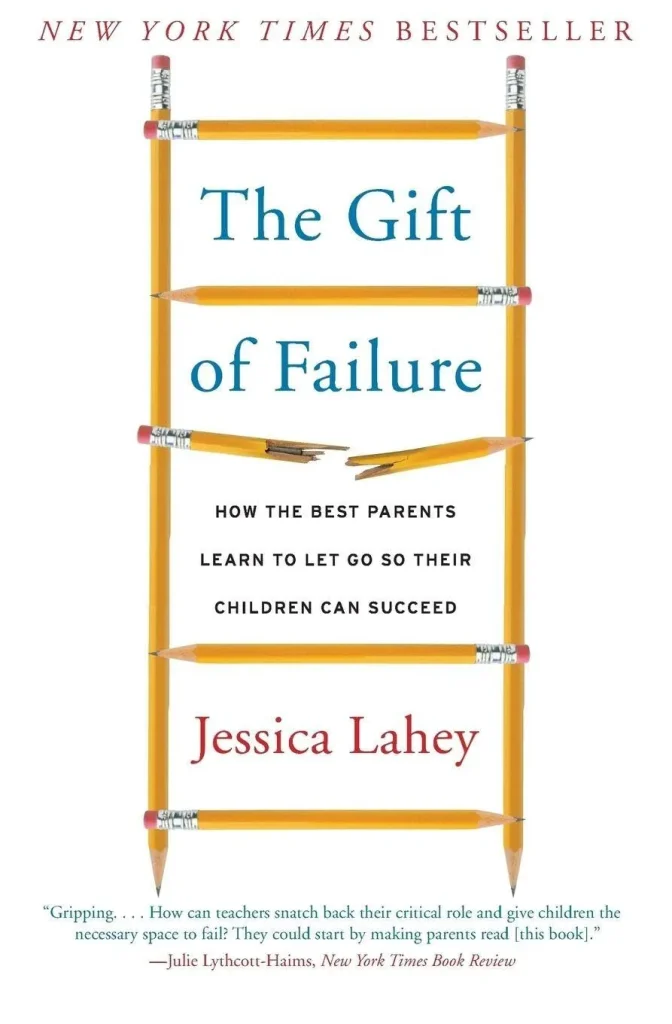
The Gift of Failure examines what children can learn when adults allow them to experience manageable mistakes and consequences. Jessica Lahey argues that protecting children from every difficulty can interfere with the development of competence and responsibility.
That idea can be uncomfortable for parents who are used to checking homework, fixing forgotten items, solving disagreements, or making sure every task is completed correctly. But not every mistake needs an adult solution, particularly when the consequences are reasonable and the child has a chance to learn from the experience.
The book encourages parents to think about whether their help is building competence or simply preventing discomfort. That distinction can make everyday situations, from forgotten materials to unfinished responsibilities, look a little different.
3. How to Raise an Adult by Julie Lythcott-Haims
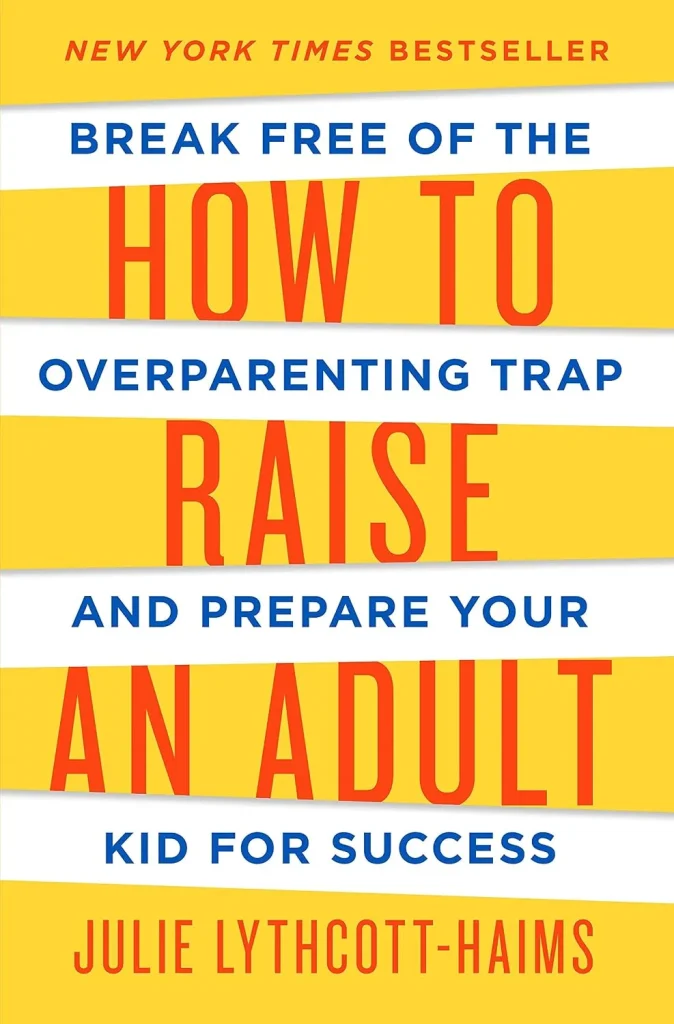
How to Raise an Adult focuses on the long-term effects of doing too much for children and stepping in too quickly. Julie Lythcott-Haims discusses the ways well-intentioned parents can become overly involved in decisions, responsibilities, and problem-solving.
The book makes a useful distinction between caring for a child and managing every part of the child’s life. Children need guidance, but they also need repeated opportunities to practice making choices, dealing with setbacks, and figuring things out without an adult immediately taking over.
For parents who are beginning to notice how much of daily life depends on their reminders and intervention, the book offers a broader perspective. It asks not only whether a child gets the task done, but whether the child is gradually becoming capable of handling more without you.
Before You Step In, Ask One Question
A useful way to reduce micromanaging is to pause before helping and ask yourself whether your child genuinely needs you or whether you are simply uncomfortable watching them struggle.
That distinction can change small parenting moments. If a child is stuck on a difficult task, support may be appropriate. If they are taking longer than you would like to pack their own things, there may be no real reason to take over.
You may also find that some of the habits you thought were “helping” are actually opportunities for your child to practice skills. Allowing a child to make a harmless mistake can sometimes teach more than another reminder ever could.
Give Responsibility Room to Grow
Independence rarely appears all at once. It usually develops through ordinary situations where children are allowed to make choices, experience small consequences, and try again with a little less supervision.
That does not mean leaving children completely on their own. Parents still set boundaries, provide support, and step in when something genuinely requires adult involvement. The difference is that support becomes more intentional rather than automatic.
These three books offer complementary ways to think about that balance. The Parent You Aspire to Be focuses on reducing constant correction and intervention, The Gift of Failure explores what children learn through manageable mistakes, and How to Raise an Adult takes a broader look at how over-involvement can affect independence.
For a parent trying to step back without feeling like they are stepping away, that distinction can be the most important place to start.
Did this article help you see things differently? Our books turn helpful ideas into practical tools you can return to anytime.



Break the Anxiety Circle
$19.90

From Debt to Wealth
$19.90


