You have watched people your whole life. You have been confused by them. You have been surprised by them. You have trusted the wrong ones and misread the ones who mattered. And you are still not entirely sure why people do what they do.
The problem is not that you are not paying attention. The problem is that you have been paying attention to the wrong things.
Understanding human behavior is not about becoming a mind reader. It is about learning to see the patterns beneath the surface—the hidden motives, the unspoken fears, the self-deceptions that drive people even when they do not realize it. The books below each offer a different lens for seeing those patterns.
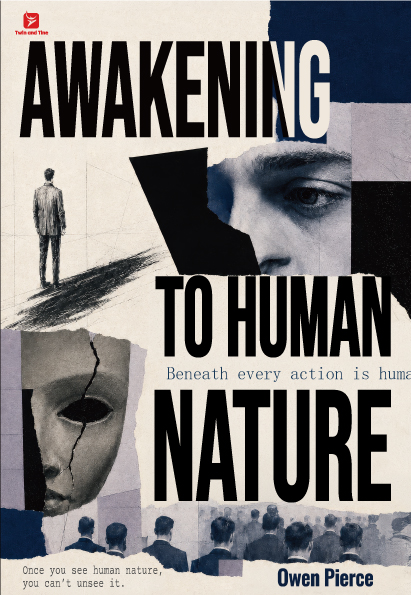
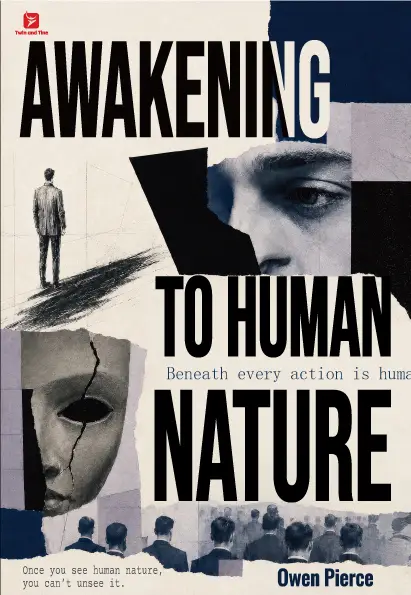
1. Awakening to Human Nature by Owen Pierce
The book that reveals the hidden engine behind human behavior.
Pierce strips away the polite fictions and shows you how people actually operate. Why do they say one thing and do another? Why do they crave validation over truth? Why do they avoid discomfort even when it leads to growth? Why do they believe their own justifications even when the evidence says otherwise?
He explains the self-deception, emotional patterns, and survival mechanisms that shape everyday behavior. He shows you why people double down on bad decisions, why they protect their ego at the expense of their relationships, and why they are influenced by status and validation more than logic.
This is not a book about psychology theories. It is a book about real people. It gives you a framework for understanding the person sitting across from you—and for seeing your own patterns more clearly.
For anyone who wants to stop being surprised by what people do.
Awakening to Human Nature
Owen PierceA practical guide to recognizing hidden motives and protecting yourself from manipulation.
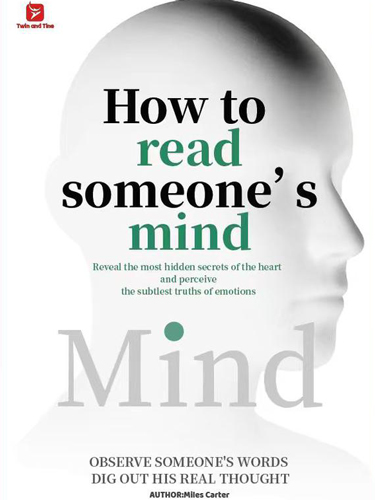
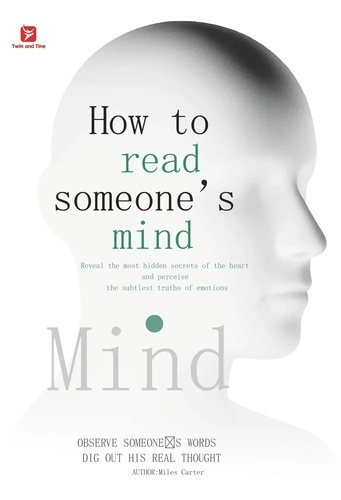
2. How to Read Someone’s Mind by Miles Carter
The book that teaches you to see the signals people send without realizing it.
Understanding human behavior is not just about knowing the theory. It is about recognizing the signals in real time. Carter breaks reading people into four dimensions: the face, the body, the voice, and the context. You learn to notice tone shifts, hesitation, inconsistencies between words and actions.
A single off moment means nothing. A consistent pattern tells you something real. He teaches you to distinguish between what people say and what they actually communicate. You learn to read the room, to sense when someone is uncomfortable, and to catch the subtle signs that someone is not being honest.
What makes this book valuable is the practicality. You are not just learning theory. You are learning to see what is right in front of you.
For anyone who wants to stop missing what people are really communicating.
3. The Person and the Situation by Lee Ross and Richard Nisbett
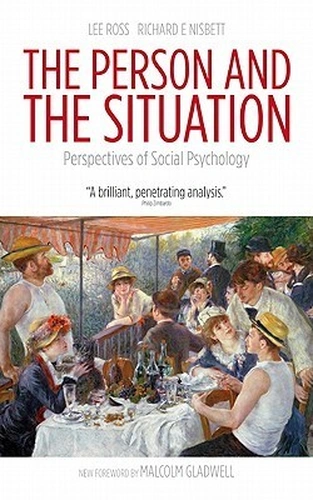
The book that explains why context shapes behavior more than personality.
Most people assume that behavior reflects personality. If someone is quiet, they are shy. If someone is aggressive, they are hostile. But Ross and Nisbett argue that this assumption is often wrong. Situations shape behavior more than we realize.
A person can be generous in one context and selfish in another. Someone can be calm at work and explosive at home. The same person, different conditions, completely different behavior. The book explains why this happens and how to stop making the mistake of assuming people are “just like that.”
When you understand the power of the situation, you stop taking behavior personally. You stop misreading people based on a single interaction. You start asking: what is different about this context?
For anyone who wants to understand why people act differently in different situations.
These three books each approach human behavior from a different angle. Pierce explains the hidden engine behind behavior. Carter teaches you to see the signals in real time. Ross and Nisbett show you why context matters more than personality.
Together, they cover the three things you need to understand people: the why, the how, and the where. If you are tired of being confused by the people around you, start with the one that shows you what you have been missing.