Someone demands honesty but gets angry when you tell them the truth. Someone judges another person for being selfish, then makes the same choice when it benefits them.
Human hypocrisy is easy to notice in other people and much harder to recognize in ourselves. These five books explore why people hold double standards, justify their own behavior, hide self-interest behind principles, and sometimes fail to see their own contradictions.
1. Behave by Robert M. Sapolsky
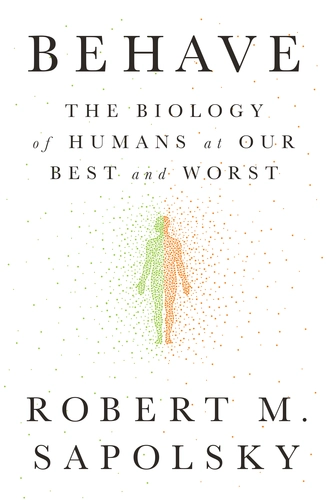
Why does the same person sometimes behave generously and sometimes behave terribly?
Behave takes that question much further than a simple explanation of personality. Robert Sapolsky examines human behavior through multiple layers, from what happens in the brain immediately before an action to hormones, development, social environment, and evolutionary history. The result is a much more complicated picture of why people behave as they do.
That complexity is useful when thinking about hypocrisy. People are not always consistent because human behavior itself is influenced by competing forces. Someone can genuinely value kindness and still act selfishly under pressure. Someone can believe in fairness and still make exceptions when their own interests are involved.
Instead of asking only, “Why are people hypocritical?”, Behave pushes you toward a harder question: what makes people capable of acting against the principles they believe they hold?
2. Awakening to Human Nature by Owen Pierce

People often have one standard for themselves and another for everyone else.
They may excuse behavior in themselves that they would immediately condemn in another person. They may demand loyalty while changing their own loyalty when circumstances change. They may defend their choices passionately while judging someone else for making a similar one.
Awakening to Human Nature explores the cognitive and emotional forces behind these contradictions, including self-deception, double standards, validation, expectations, self-interest, and the desire to protect one’s own image.
What makes this especially relevant to hypocrisy is the role of self-deception. A person does not always need to consciously lie to others. Sometimes they first construct a version of themselves that makes their own behavior easier to accept.
That is where hypocrisy becomes harder to recognize: people can defend a principle while genuinely believing they are following it.

Awakening to Human Nature
Owen PierceYou saw the signs. You just didn’t know what they meant yet.
Learn how to notice the patterns behind people’s words, choices, loyalty, pressure, and changing behavior.
3. The Moral Animal by Robert Wright
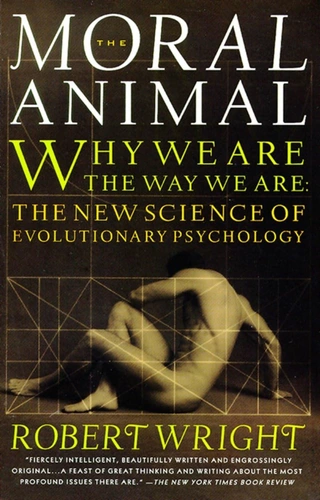
We like to think that our moral principles explain our behavior. But what if our behavior sometimes comes first?
In The Moral Animal, Robert Wright uses evolutionary psychology to examine some of the less flattering contradictions in human behavior. The book considers self-interest, social relationships, competition, morality, and self-deception, asking what evolutionary pressures may have shaped the ways people behave.
One of the interesting implications is that morality and self-interest do not always exist on opposite sides. People can cooperate, sacrifice, and behave generously while also being influenced by status, relationships, competition, and personal advantage.
That makes the book useful for looking past simple labels like “good person” and “bad person.” Human motives are often mixed, and hypocrisy can emerge precisely because people want to see themselves as moral while still pursuing their own interests.
4. The Confidence Game by Maria Konnikova

A convincing person does not necessarily have to believe everything they say.
The Confidence Game examines con artists and, perhaps more importantly, the psychological vulnerabilities that make people susceptible to them. Maria Konnikova looks at how trust, persuasion, belief, and our desire to see ourselves as rational can be manipulated.
This adds another dimension to hypocrisy: the stories people tell themselves.
We often imagine deception as something one person deliberately does to another. But people can also become attached to explanations that protect their ego, justify their decisions, or allow them to maintain a favorable view of themselves.
If you want to understand why people can defend obviously inconsistent behavior, this book offers an interesting look at the psychological machinery behind belief and self-justification.
5. The Selfish Gene by Richard Dawkins

What if some behavior that looks selfless has a deeper competitive logic behind it?
The Selfish Gene approaches human behavior through evolutionary biology, using the gene-centered perspective to explain cooperation, competition, altruism, and survival. It is not a book about hypocrisy specifically, but it offers a powerful way to question simple assumptions about why organisms behave generously or cooperatively.
That makes it a useful final perspective for this list. Human beings can genuinely care about others while also being shaped by incentives, competition, kinship, reputation, and survival.
The uncomfortable lesson is that a behavior can look moral without having only moral causes. Understanding that does not make every good action fake. It simply makes human motivation more complicated.
Understanding Hypocrisy Starts With Looking Beyond the Words
Understanding hypocrisy is not just about catching people in contradictions. The more useful skill is learning to notice what changes when someone’s interests, emotions, status, or circumstances change.
A person can talk about fairness and still make exceptions for themselves. They can genuinely believe they are a good friend while treating people differently when they no longer need them. They can defend a moral principle until following it becomes personally inconvenient.
That is where Awakening to Human Nature becomes especially useful.

The book takes these contradictions out of the abstract and brings them into everyday human behavior. It looks at self-deception, double standards, validation, expectations, changing interests, loyalty, and self-interest, helping you understand not just what people say they value, but what their behavior reveals when those values are tested.
If you often find yourself thinking, “Why would someone say one thing and then behave completely differently?”, this is the book in this list to read next.
Understand the pattern before you make excuses for it.
If you found this helpful, these books go deeper into the same themes.




Break the Anxiety Circle
$19.90

From Debt to Wealth
$19.90

