You have probably had this experience. You expected someone to react one way. They reacted completely differently. You were caught off guard. And afterward, you thought: I should have seen that coming.
That feeling is not inevitable. Predicting behavior is not mind-reading. It is pattern recognition. Once you learn to see the signals people send consistently, you stop being surprised by what they do. Here are three books that help you build that skill.
How to Read Someone’s Mind by Miles Carter
Predicting behavior starts with observing patterns, not isolated moments. A single gesture tells you almost nothing. A pattern of behavior over time tells you a great deal.
Carter gives you a framework for reading people through four channels: face, body, voice, and context. You learn to spot the gap between what someone says and what their signals reveal. A person who agrees but leans back and looks away is telling you something their words are not. A person who speaks warmly but keeps their hands hidden is showing you inconsistency.
Over time, you stop interpreting each interaction in isolation. You start building a mental profile of how someone behaves under stress, when they are comfortable, when they are being honest, and when they are holding back. That profile is what lets you predict their next move.
If you want to move from reacting to others to anticipating them, this is the book that builds the framework.
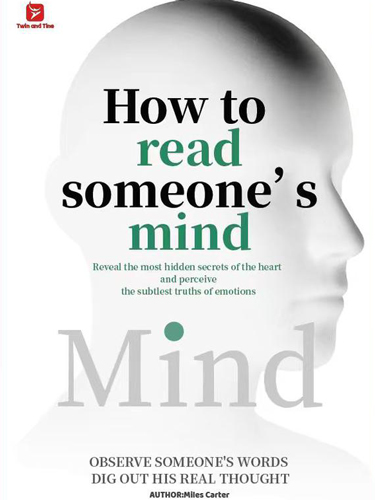
How to Read Someone’s Mind
Miles CarterPractical tools for reading body language, tone, and hidden intentions in real time. Spot what people aren’t saying — before you trust the wrong person.
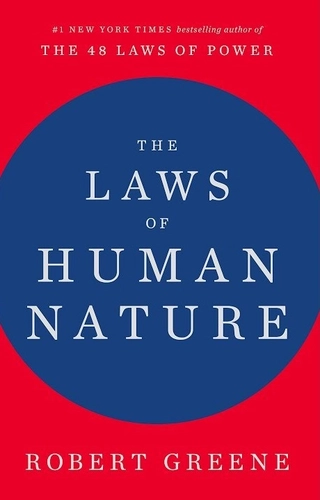
The Laws of Human Nature by Robert Greene
Greene distills human behavior into 18 laws drawn from history, psychology, and biography. Each law explains a recurring pattern: why people become irrational, why they resist change, why they envy others, why they act out of insecurity disguised as confidence.
Understanding these laws gives you a predictive map. When you recognize someone is operating from envy, you can anticipate their next moves. When you see them falling into grandiosity, you know where that path leads.
If you want to understand the recurring patterns that drive most human behavior, read this.
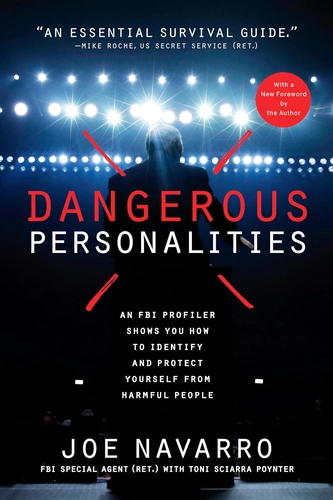
Dangerous Personalities by Joe Navarro
Navarro, a former FBI profiler, developed a system for identifying five personality types that are most likely to cause harm: the narcissist, the paranoid, the antisocial, the histrionic, and the borderline. Each has specific behavioral markers. Once you know them, you can predict how they will act in relationships, at work, and under pressure.
If you want to identify problematic patterns early and predict where they lead, read this.
Where to start
Greene gives you the historical patterns. Navarro gives you the personality types to watch for. Both are valuable.
But Carter gives you something neither does: a practical, real-time framework for reading people in your actual life. Greene shows you broad patterns. Navarro shows you specific personalities. Carter shows you how to observe the person in front of you, in the moment, and start building a reliable assessment.
Read the others if you want. They are useful. But start with Carter—because you need the daily practice of noticing patterns before the broader theories become useful.
Three books on understanding people. One gives you a real-time framework. One gives you historical patterns. One gives you personality markers. Start with the one you can use today.
Frequently Asked Questions
Is this about manipulation?
No. It is about understanding. People are easier to understand once you recognize their patterns. That clarity helps you make smarter decisions about who to trust, when to push, and when to step back.
Can anyone learn to predict behavior?
Yes. It is not a special talent. It is a skill built through consistent observation. The earlier you start noticing patterns, the better you get at anticipating what comes next.
