You thought you understood someone.
You knew their personality. You knew how they would react. Then they did something that completely changed how you saw them.
You keep asking yourself: “How did I miss that?” You are not bad at reading people. You just never learned the right framework.
Most people are not as random as they seem. They repeat the same emotional patterns, communication habits, and reactions over and over. Once you understand the forces shaping their behavior—what they show, how they decide, and what influences them—people become far less confusing.
The three books below each answer one question: what are they really showing? Why did they choose that? How is their environment shaping them?
Quick Comparison
| Book | What It Helps You Understand |
|---|---|
| How to Read Someone’s Mind | What people are really communicating |
| Thinking in Bets | Why people make choices that seem irrational |
| The Paradox of Choice | How situations influence people’s decisions |
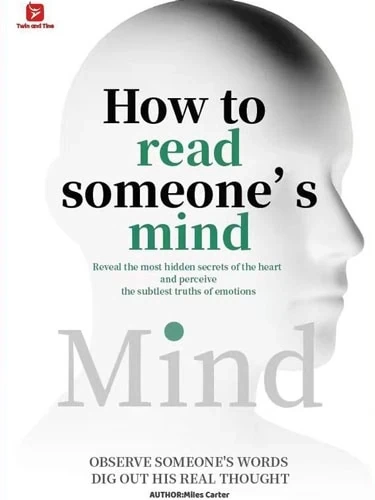
1. How to Read Someone’s Mind by Miles Carter
Why do you keep trusting people who let you down? Why do you feel uncomfortable around someone but cannot explain why? Why does a conversation leave you drained?
Most people think the answer is better instincts. It is not. The answer is better observation.
Carter wrote this book for people who have stopped trusting their own judgment because they have been wrong so many times. He does not teach you a list of gestures or facial expressions. He teaches you to notice the patterns people show without realizing it. Changes in tone. Hesitation before answering. Recurring emotional patterns that reveal how someone usually responds under pressure.
People are not as random as they seem. Most people repeat the same emotional patterns, communication habits, and reactions over and over. When those patterns break, something has shifted underneath. Once you learn to see these signals, you stop asking “is this person lying?” and start noticing what is different about today compared to how they usually act.
This is the book for you if: you are tired of being wrong about people and want a framework you can actually trust.
2. Thinking in Bets by Annie Duke
You look at someone’s decision and think: “How could they possibly choose that?”
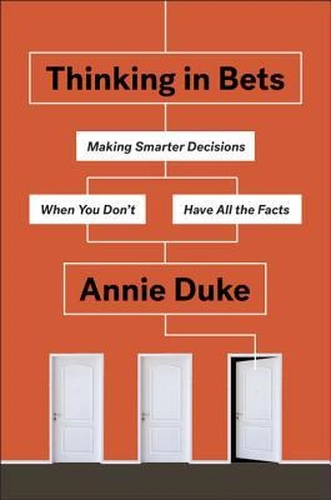
Duke explains that people are often making decisions with incomplete information. A bad outcome does not always mean a bad decision. A good outcome does not always mean a good decision. We judge choices by results, but results are influenced by luck, timing, and factors outside anyone’s control.
She was a professional poker player before becoming a decision strategist. Poker taught her something essential about human behavior: most decisions are made under uncertainty. You rarely have all the facts. You are always missing something. And yet you have to choose.
What looks irrational from the outside often makes sense when you understand the information someone had at the time. The book explains the thinking process behind people’s decisions. Why smart people make choices that seem irrational. Why we confuse confidence with competence. Why we judge others based on outcomes while judging ourselves based on intentions.
This is the book for you if: you want to understand why people make the decisions they do—especially the ones that seem irrational to you.
3. The Paradox of Choice by Barry Schwartz
Have you ever watched someone freeze in front of too many options? They cannot decide. They worry about making the wrong choice. They second-guess themselves.
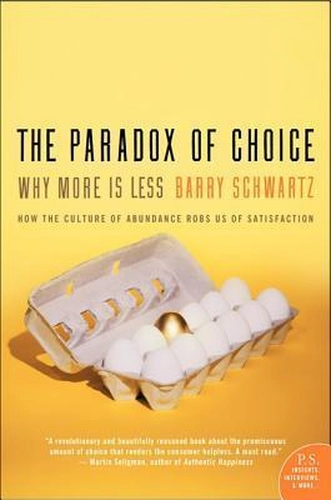
Schwartz explains why people often become less satisfied when they have too many options. More choices create more comparison, more uncertainty, and more fear of making the wrong decision. What looks like freedom from the outside becomes anxiety on the inside.
This explains why people struggle to commit to a career, a partner, or even simple decisions. It explains why relationships fail not because of conflict, but because people are always wondering if there is something better. The environment of endless options shapes human behavior in ways most people never notice.
This is the book for you if: you want to understand how the modern environment of endless options shapes people’s decisions and behavior.
Understanding people starts with three questions:
What are they really showing?
Why did they choose that?
How is their environment shaping them?
These three books answer each one.
If you want to understand what people are really communicating, start with Carter.
If you want to understand why people make choices that seem irrational, read Duke.
If you want to understand how situations influence people’s decisions, pick up Schwartz.
Start with the area where you feel the most stuck.
