Someone is charming at first. They make you feel seen, understood, and special. Then slowly, things change. You find yourself apologizing more, questioning yourself more, and feeling drained after every interaction.
You start wondering: is it me? Am I too sensitive? Am I expecting too much?
The answer is usually no. The issue is not that you are broken or bad at choosing people. The issue is that you may not have a framework for recognizing patterns early. You miss the small signals that, over time, become big problems. You mistake intensity for connection and familiarity for safety.
This is not about blaming yourself. It is about understanding why these patterns repeat and what changes when you start seeing people clearly.
How to Read Someone’s Mind by Miles Carter
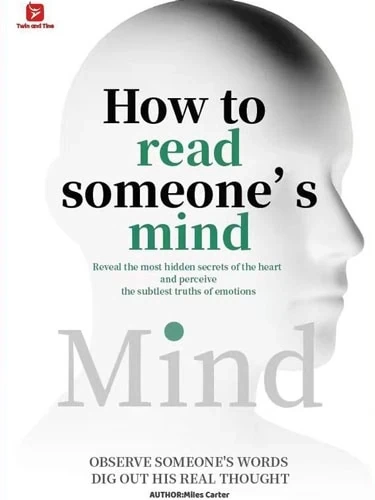
See warning signs earlier
The biggest mistake people make in relationships is judging someone by what they say rather than what they repeatedly do. Words are easy. Actions over time reveal who someone actually is.
Carter teaches you to understand what someone’s behavior reveals about their intentions, emotions, and personality. He shows you how to recognize patterns: inconsistencies between words and actions, subtle signs of control, lack of empathy, and emotional instability.
A single red flag can be a mistake. A consistent pattern is information. This book helps you stop projecting what you hope someone is and start seeing who they actually are.
Who this is for: Anyone who has ever missed early warning signs and later regretted it.
What you will learn:
- How to distinguish between isolated moments and behavioral patterns
- Why people often reveal themselves through repeated actions, not words
- How to recognize control, manipulation, and lack of empathy early
- When to trust what you are noticing instead of explaining it away
The Human Magnet Syndrome by Ross Rosenberg
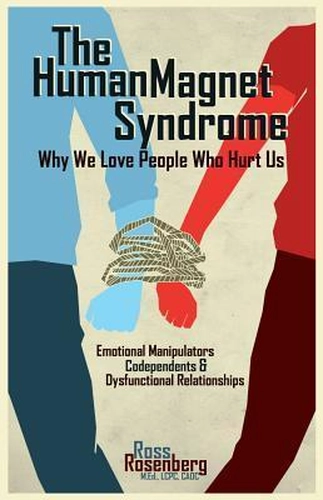
Understand why unhealthy dynamics feel familiar
If you keep attracting emotionally unavailable or manipulative people, the pattern is probably not random. Something about these dynamics feels familiar. And familiarity does not always mean healthy.
Rosenberg explains that people often repeat relationship patterns because they are unconsciously drawn to what they experienced early in life. A partner who is distant may feel normal if you grew up with emotional distance. A partner who is chaotic may feel normal if you grew up with chaos.
This book helps you see why certain dynamics feel comfortable even when they are not good for you. It is not about blame. It is about understanding the pull so you can choose differently.
Who this is for: Anyone who has ever asked, “Why am I always drawn to the same kind of person?”
What you will learn:
- Why unhealthy dynamics can feel familiar and safe
- How childhood patterns influence adult relationship choices
- The difference between genuine attraction and unconscious repetition
- How to recognize what you are actually drawn to and why
Should I Stay or Should I Go? by Lundy Bancroft and Jac Patrissi
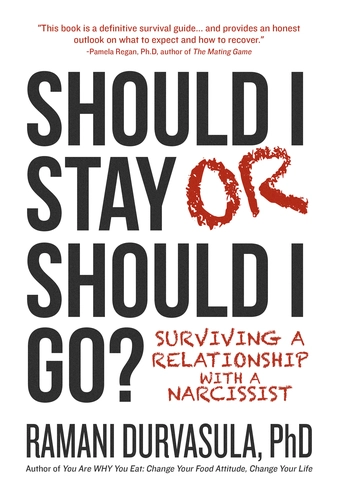
Learn how to evaluate and leave unhealthy relationships
Recognizing a toxic person is one thing. Leaving or changing the dynamic is another.
Bancroft and Patrissi wrote this book for people who are stuck in the painful middle ground: they know something is wrong but are not sure if it is bad enough to leave. The book offers a clear framework for evaluating a relationship, identifying patterns of control and disrespect, and making a decision without guilt or confusion.
It does not push you to leave. It helps you see the situation clearly so you can decide for yourself. It addresses the fears that keep people stuck: fear of being alone, fear of failing, fear of hurting someone. And it shows you what a healthier relationship actually looks like.
Who this is for: Anyone who has ever known a relationship was bad for them but stayed anyway.
What you will learn:
- How to evaluate whether a relationship can be saved or needs to end
- The difference between normal conflict and harmful patterns
- Why leaving feels so difficult and how to navigate that difficulty
- How to rebuild a sense of self after leaving an unhealthy relationship
What these books teach you together
These three books move you through a sequence.
First, you learn to see people clearly. You stop projecting and start noticing patterns. You recognize warning signs before you are attached.
Second, you understand why certain people feel familiar. You see the patterns in yourself that keep repeating. You understand the attraction.
Third, you learn how to make a decision. You evaluate whether the relationship can be repaired or needs to end. You stop staying out of fear or guilt.
The goal is not to become suspicious of everyone. It is to stop repeating the same mistakes with different people.
FAQ
Why do I keep attracting toxic people?
It is rarely about bad luck. Often, it is about missing early warning signs or being drawn to familiar dynamics. Learning to recognize patterns early can change the cycle.
How do I stop being drawn to unhealthy people?
Start by understanding what feels familiar to you. Often, people are drawn to dynamics that mirror past relationships. Awareness of the pattern is the first step to breaking it.
Is it my fault that I attract toxic people?
No. But understanding the patterns that lead to these relationships can help you make different choices in the future.
How do I know if someone is toxic early on?
Pay attention to patterns over time. A single mistake is not a pattern. Repeated disrespect, lack of empathy, or controlling behavior is information.
