You have probably been told that all debt is bad. Pay it off. Avoid it. Stay away from it. That advice is not wrong for consumer debt—credit cards, car loans, things that lose value the moment you buy them.
But there is another kind of debt. Debt that buys assets. Debt that generates income. Debt that pays for itself while you sleep. The wealthy use it constantly. They just do not talk about it the same way.
These three books each explain a different part of using debt strategically.
1. From Debt to Wealth by Owen Pierce
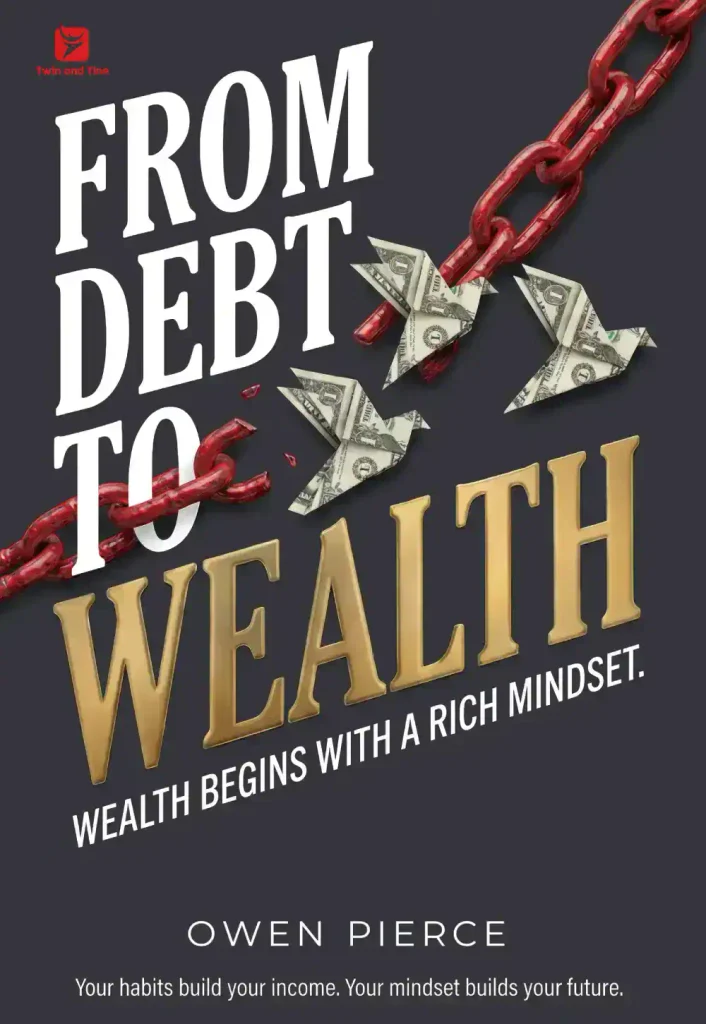
Why do some people use debt to build wealth while others get crushed by it?
Pierce starts with a question most finance books ignore. He does not ask how to get out of debt. He asks why two people with the same income can take on the same amount of debt and end up in completely different places.
The answer is not luck. It is cognition. It is how you see the money, the asset, and the risk. One person sees a loan as an opportunity to acquire something that grows. The other sees a loan as permission to buy something they cannot afford.
The book explores why people trade time for money instead of building systems. Why luxury feels like success while draining the resources that could create it. Why the poor seek comfort and the wealthy embrace discomfort. It does not tell you to borrow. It gives you the framework for knowing when borrowing builds and when it destroys.
If you have been told all debt is bad and suspected there was more to the story, this is where to start.
For anyone who wants to understand when debt is a tool and when it is a trap.

From Debt to Wealth
Owen PierceYour paycheck comes in. The bills go out. And somehow, you’re back at zero again.
Learn why earning more does not always create financial progress—and what has to change before your money starts working differently.
2. The Value of Debt in Building Wealth by Thomas J. Anderson
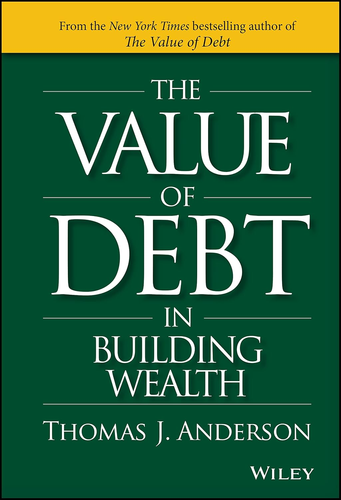
The book that makes the case for strategic leverage.
Anderson is a financial advisor who spent years working with wealthy clients. He noticed something most financial advice ignores: the wealthy do not avoid debt. They use it deliberately, as part of a broader strategy for growing assets and managing taxes.
He distinguishes between what he calls “bad debt” and “strategic debt.” Bad debt funds consumption—cars, clothes, vacations. Strategic debt funds assets that appreciate or generate income. The book explains how to use mortgages, business loans, and lines of credit as part of a wealth-building plan rather than a survival mechanism.
What makes this book different is the nuance. It does not tell you to borrow recklessly. It explains the math behind when borrowing makes sense and when it does not. It is written for people who want to understand the rules the wealthy actually play by.
For anyone who wants a framework for using leverage without getting burned.
3. Buy, Rehab, Rent, Refinance, Repeat by David Greene
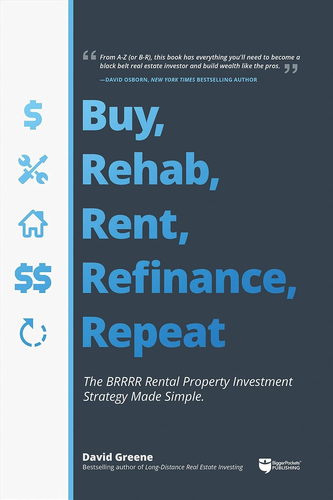
A practical playbook for using debt to build real estate wealth.
Greene is a real estate investor who built a portfolio using a specific strategy: buy a property, renovate it, rent it out, refinance it to pull your capital back out, and repeat. Each step uses debt as the engine.
The book walks through the entire process. How to find properties that will cash flow. How to finance them with the right kind of loan. How to manage renovations without losing money. How to refinance so you can use the same capital again. It is specific, practical, and built for people who want to use debt to acquire assets rather than liabilities.
What makes this book valuable is the repetition. It is not about one deal. It is about building a system where debt fuels a cycle of acquisition that compounds over time.
For anyone who wants a step-by-step method for using debt to build income-generating assets.
| Best for | |
|---|---|
| From Debt to Wealth | Understanding when debt builds and when it destroys |
| The Value of Debt in Building Wealth | Learning how the wealthy use leverage strategically |
| Buy, Rehab, Rent, Refinance, Repeat | A practical system for using debt to build real estate wealth |
These three books each approach strategic debt from a different angle. Pierce gives you the mindset. Anderson gives you the framework. Greene gives you the playbook.
If you are tired of hearing that all debt is bad, start with the one that shows you when it is not.
Did this article help you see things differently? Our books turn helpful ideas into practical tools you can return to anytime.



Break the Anxiety Circle
$19.90
From Debt to Wealth
$19.90


