I remember the first time I noticed my breath changing with my mood. I was sitting in a meeting, waiting to present. My heart was racing. My chest felt tight. I was breathing fast and shallow, like I’d just run up a flight of stairs. I hadn’t moved at all. My body was responding to something that hadn’t even happened yet.
I took a slow breath. Then another. Within seconds, my heart rate dropped. My shoulders relaxed. I didn’t feel perfect. But I felt calmer. That’s when I realized: my breath wasn’t just reacting to my emotions. It was shaping them.
Quick Answer: How do breathing patterns affect emotions?
Your breathing patterns and emotions are linked through your nervous system. Shallow, fast breathing triggers stress and anxiety. Slow, deep breathing activates calm and relaxation.
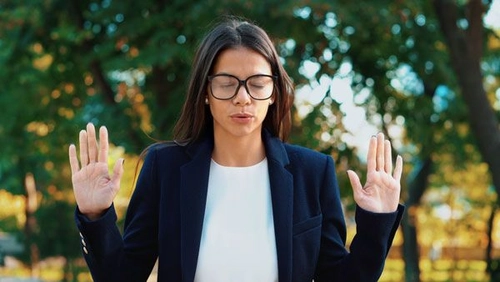
The Body-Mind Connection
We breathe over 20,000 times a day. Most of the time, we don’t think about it. Our bodies just handle it automatically. But here’s the thing: how we breathe tells us a lot about how we feel.
Anxiety often feels like tightness in the chest. Sadness feels heavy or aching. Happiness brings a light, open feeling. These aren’t just metaphors. They’re physical sensations.
The autonomic nervous system controls breathing, heart rate, and digestion. When we sense fear or stress, the sympathetic nervous system kicks in. That’s the fight or flight response. Our heart rate increases. Our breathing speeds up. Our body gets ready to act.
Sometimes this happens even when there’s no real danger. A bad memory. A stressful thought. An upcoming test. Before we know it, we’re tense, on edge, and breathing heavy.
How Breathing Changes Everything
Here’s the good news. Breathing is automatic, but you can control it. When you take slow, deep breaths, you calm your nervous system. You activate the parasympathetic nervous system. That’s the rest and digest mode.
I remember a friend telling me about a time she was about to give a speech. She was terrified. Her hands were shaking. She took three slow breaths before she walked on stage. By the time she got to the microphone, her voice was steady. The fear was still there. But her body wasn’t running the show anymore.
A book I read called How to Read Someone’s Mind made me realize something interesting. The author talks about how body language and breath are connected to what people are really feeling. When you slow down your breath, you’re not just calming yourself down. You’re also signaling to others that you’re grounded and present.
Simple Breathing Methods
Belly breathing. Place one hand on your chest and one on your stomach. Breathe in slowly through your nose. Feel your stomach rise. Your chest should stay mostly still. Breathe out slowly through your mouth. Feel your stomach fall.
The physiologic sigh. This one came from a neuroscience researcher. Take two quick inhales through your nose. Then one long exhale through your mouth. It lowers your heart rate fast.
Paced breathing. Breathe in for four counts. Breathe out for four counts. Repeat. Keep it steady and calm.
Extended exhale. Breathe in for four counts. Breathe out for six or eight counts. A longer exhale activates your nervous system’s calming response more strongly.
One Last Thing
You can’t always control what happens to you. But you can control how you breathe. And that’s not a small thing. It’s a way to tell your nervous system: we’re safe. We can relax. We can handle this.
Try it next time you feel overwhelmed. Just one slow breath. You might be surprised how much it changes.
FAQ: Breathing Patterns and Emotions
Q: Why does anxiety make breathing faster?
A: Anxiety activates your fight or flight response. Your body prepares to act quickly, which speeds up your breathing. It’s a natural reaction to perceived danger.
Q: Can changing my breathing stop a panic attack?
A: It can help. Slow, deep breathing can calm your nervous system and reduce physical symptoms. It works best when you catch it early.
Q: How long does it take for breathing to affect mood?
A: Often within a minute or two. Some studies show that just five deep breaths can lower stress levels. The effect grows with practice.
Q: What’s the best breathing pattern for anxiety?
A: Extended exhale breathing is one of the most effective. Exhaling longer than you inhale activates the calming part of your nervous system.