I remember sitting on my apartment floor at twenty-four, surrounded by receipts I was too scared to add up. My checking account said forty-two dollars. My credit card said something I refused to look at. I had a decent job, I wasn’t buying designer bags, and yet I had no idea where my money went. That blank stare at my bank app, that feeling of guilt mixed with confusion, that is the exact moment I started hunting for books like Broke Millennial.
The search for a book that felt like it was written for me took a while. I didn’t want a lecture. I didn’t want someone explaining compound interest like I was five. I wanted someone who understood that I was smart in other areas of my life but completely clueless with money. If that sounds like you, I have some suggestions that might feel like a warm hand on your shoulder.
Why Do Young Adults Not Know Where Their Paycheck Disappears To?
Let me ask you something. Have you ever looked at your transaction history from last month and genuinely wondered what happened? You didn’t buy anything big. Just coffee here, takeout there, a few Amazon orders that felt necessary at 11pm. Then suddenly, the month is over and your savings account hasn’t moved.
The problem is rarely about how much you earn. I know people making six figures who are more stressed about money than my barista friend. The issue is that spending has become automatic. We tap our phones, we swipe cards, and the pain of paying never registers. When I paid with cash in college, I felt every dollar leave my hand. Now, money just evaporates silently.
There is also a deeper layer here. Many of us grew up watching our parents either fight about money or avoid talking about it completely. Nobody taught us how to budget. Nobody showed us what a healthy money mindset looks like. So we copy the only pattern we know, and that pattern often involves buying things to feel better about the stress that buying things creates.
What Books Like Broke Millennial Actually Teach You About Your Spending
Erin Lowry’s original book worked because she admitted her own mistakes. She talked about her student loans and her awkward money conversations. She made finance feel human. The books that follow her style share that same vulnerability.
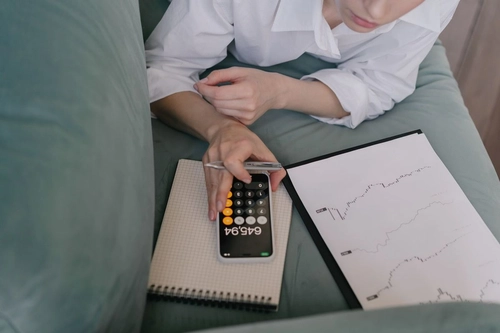
One thing these books do really well is make you track your spending for a week. Not a fancy spreadsheet. Just a notebook or a notes app. Write down every single purchase, even the gum. I did this and nearly cried at the end of day three. I had spent sixty dollars on lunch because I kept forgetting to bring food to work. Sixty dollars. Every week. That was my “mystery money” solved.
Another common lesson involves the difference between assets and liabilities. I read a book once that explained it like this. An asset puts money in your pocket. A liability takes money out. Your car is usually a liability. Your education can be an asset if you use it well. That rental property you dream about, that is an asset. That new phone you financed, liability. Once you start seeing everything through this lens, your shopping habits change naturally.
The 72-Hour Rule and The “From Debt to Wealth” Mindset Shift
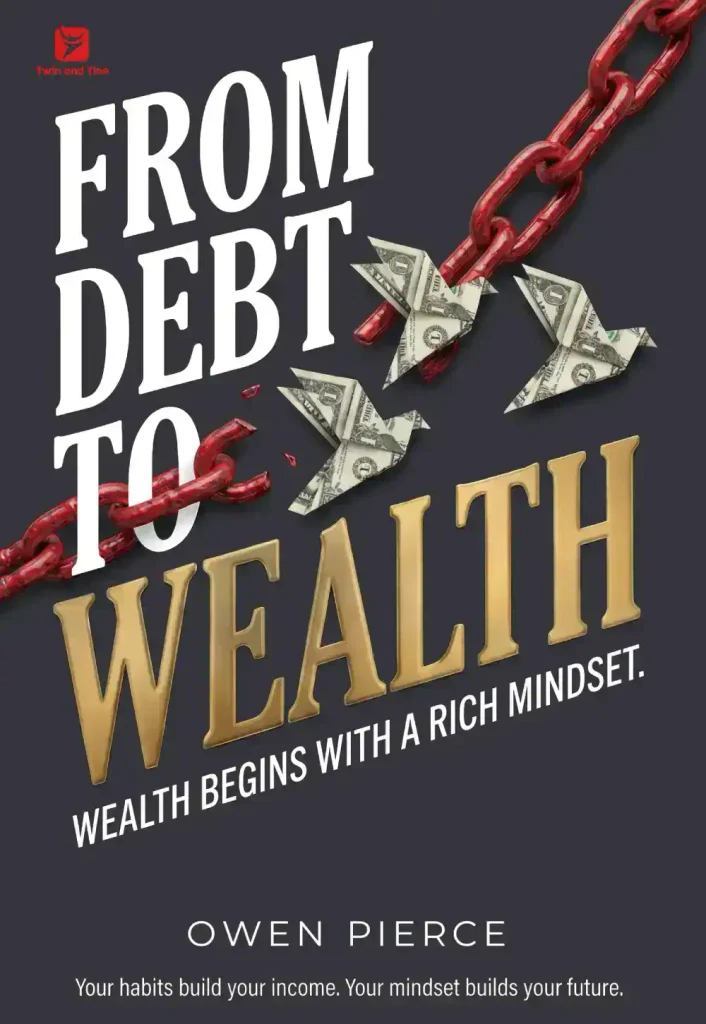
Let me share a framework that actually stuck with me. It came from a book I picked up after realizing I needed more than just budgeting tips. The book was called “From Debt to Wealth” by Owen Pierce, and while the title sounds heavy, the core message was surprisingly simple.
Pierce talks about how most people stay trapped in the work, spend, repeat cycle. He suggests a simple rule for breaking it. When you want to buy something that is not a necessity, wait seventy-two hours. Put it in your cart, close the laptop, and revisit it in three days. I tried this with a jacket I was obsessed with. Three days later, I could not remember why I wanted it so badly. The urge passed.
The deeper lesson from that book is about mindset. Wealth, Pierce argues, is not a reward for grinding harder. It is the result of making your money work while you sleep. That starts with small habits. Automating a tiny transfer to savings on payday. Reading about investing instead of scrolling social media. Learning to feel comfortable with delayed gratification.
I will be honest with you. The first time I tried to read a book about wealth building, I felt like a fraud. I had two hundred dollars in savings. What business did I have reading about millionaires? But that is exactly the wrong way to think. These books are not for people who already have money. They are for people who are tired of wondering where their paycheck went every single month.
What to Read After You Finish Broke Millennial
If you loved Broke Millennial, you might enjoy “I Will Teach You to Be Rich” by Ramit Sethi. He is a bit aggressive in his tone, but his system for automating your finances is genuinely useful. He will tell you to stop worrying about your daily latte and instead focus on the big levers like your rent and your career growth.
Another good option is “The Simple Path to Wealth” by JL Collins. This one focuses more on investing, but the early chapters about debt and saving are written in a very straightforward way. It is the kind of book that makes you feel like a smart adult just by reading it.
For the young adult who loves personal stories, “Get Money” by Kristin Wong is a great pick. She writes with a conversational tone that feels like texting a friend who happens to know a lot about credit scores.
Books That Address the Emotional Side of Spending
Here is something nobody tells you. Your money problem is rarely just about math. It is about feelings. I used to buy clothes when I felt insecure at work. I would order takeout when I felt lonely in my apartment. The spending was a Band-Aid for emotions I did not want to face.
Books that help with this angle include “You Are a Badass at Making Money” by Jen Sincero. She is a bit too woo-woo for some people, but her point is valid. Your relationship with money mirrors your relationship with yourself. If you think you do not deserve nice things, you will either hoard cash or blow it all to prove yourself wrong.
Another one is “The Financial Diet” by Chelsea Fagan. It started as a blog and became a book. She is honest about the fact that being good with money is boring. It is about cooking at home, saying no to trips you cannot afford, and accepting that your friends might be living on credit cards while you save.
Frequently Asked Questions About Money Books for Young Adults
How many books like Broke Millennial should I read before I see results?
Honestly, one good book is enough if you actually do the exercises. Reading twenty books without taking action changes nothing. Pick one, do the spending tracking for a week, and automate one small savings transfer.
Can books like Broke Millennial help me if I have significant student loan debt?
Yes, most of these books have dedicated sections on tackling debt. They teach you about avalanche versus snowball methods. The key is to stop feeling ashamed of the debt and start creating a plan, even if it is a slow one.
What is the first step these money books recommend for someone living paycheck to paycheck?
Almost every book starts with awareness. You cannot fix what you cannot see. Track every dollar for thirty days. Then you will know exactly where your money goes, and you can make a conscious decision about what to cut.
One Last Thing
I still remember the relief I felt when I finally understood my own spending. It was not about being disciplined or perfect. It was about seeing the pattern clearly for the first time. The coffee runs, the impulse buys, the subscription services I forgot I had. None of it made me a bad person. It just made me unaware.
You are not broken. You were just never taught the rules of the game. Reading books like Broke Millennial is the first step toward changing that story. It started with a book for me, and it can start with a book for you too.