A strong relationship between parents and children is built through everyday moments. The conversations families have, the way parents respond to emotions, and the attention children receive all influence how connected they feel.
Building a meaningful connection does not require perfect parenting. It requires patience, understanding, and a willingness to see the world from a child’s perspective. When children feel heard and valued, they are often more comfortable expressing emotions and seeking support.
Many parents look for guidance on building connection with children because they want to create relationships based on trust rather than simply focusing on rules and discipline. Parenting books can provide useful ideas for improving communication and creating stronger emotional bonds.
Here are three books that explore different approaches to strengthening parent-child connections.
The Parent You Aspire to Be by Miles Carter
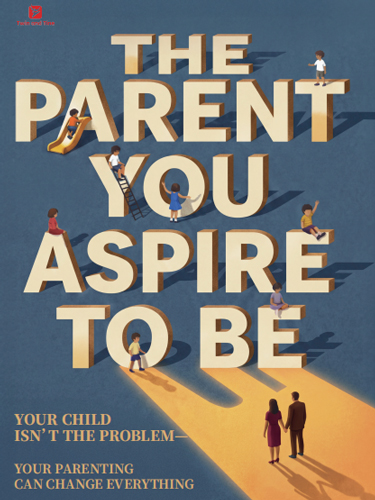
The Parent You Aspire to Be
Miles CarterPractical guidance for tantrums, backtalk, lying, screen addiction, emotional outbursts, and everyday parenting struggles.
Best for creating a more intentional parent-child relationship
The relationship between parent and child develops through countless small interactions. The way parents listen, respond, and handle challenges can influence how children experience connection.
The Parent You Aspire to Be by Miles Carter focuses on helping parents become more aware of their parenting approach and create deeper emotional connections with their children.
The book explores ways to:
- Understand children’s perspectives
- Improve everyday communication
- Respond with more patience
- Build trust through connection
For parents interested in building connection with children, this book provides practical insights into creating a stronger and more supportive relationship.
How to Talk So Kids Will Listen & Listen So Kids Will Talk by Adele Faber and Elaine Mazlish
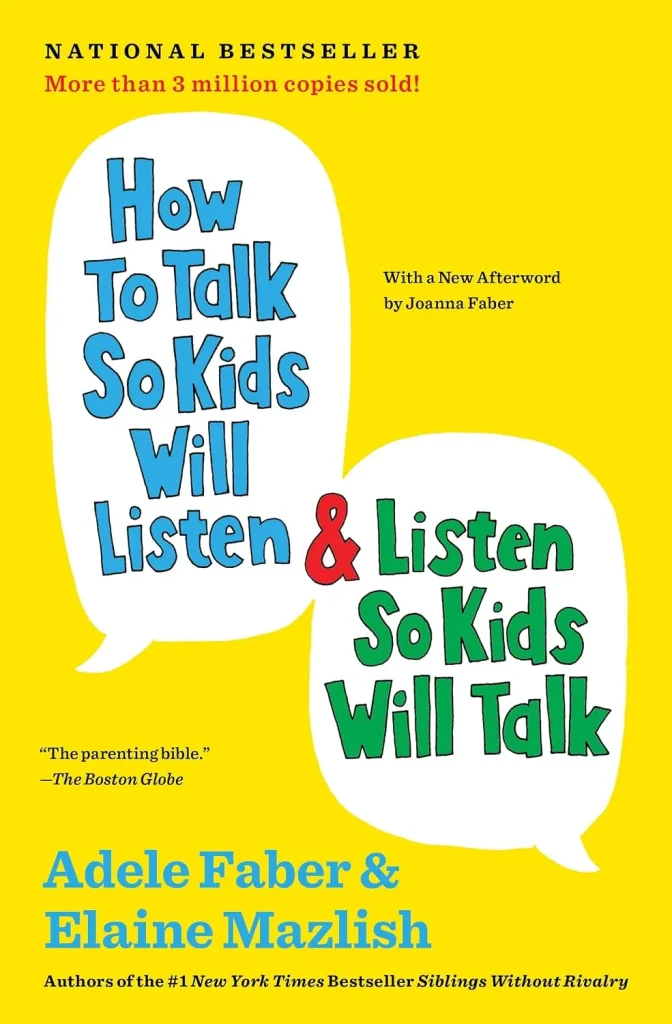
Best for improving communication between parents and children
Communication is one of the foundations of connection. When children feel that their thoughts and emotions are taken seriously, they are more likely to develop trust with their parents.
How to Talk So Kids Will Listen & Listen So Kids Will Talk provides practical strategies for handling everyday conversations, emotional situations, and conflicts.
The book helps parents learn how to:
- Listen more effectively
- Encourage cooperation
- Respond to children’s feelings
- Reduce unnecessary arguments
For parents who want to strengthen daily communication, this book offers practical tools.
Hold On to Your Kids by Gabor Maté and Gordon Neufeld
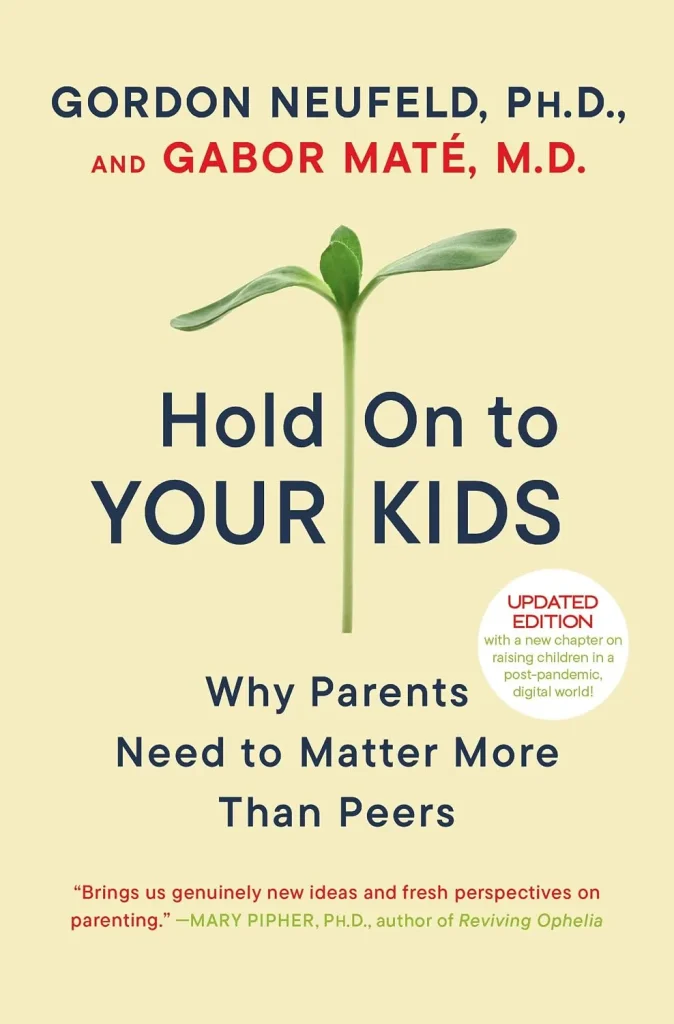
Best for understanding the importance of attachment
Children need strong emotional connections with caring adults as they grow.
Hold On to Your Kids explores how attachment influences children’s development and why maintaining close relationships with parents is important.
The book discusses ways parents can protect connection and create a stronger emotional foundation for their children.
For parents who want to understand the deeper role of connection in parenting, this book provides valuable perspectives.
Why Connection Matters in Parenting
Children do not only need guidance. They also need to feel understood and supported.
A strong parent-child connection can help children develop confidence, emotional security, and healthier ways of communicating. These relationships provide a foundation that can influence children as they continue growing.
Connection Comes Before Correction
Many parenting challenges become easier when children feel connected to their parents.
When parents focus on understanding emotions and building trust, children are often more open to guidance. A strong relationship creates a better foundation for teaching and supporting children.
Why The Parent You Aspire to Be Supports Stronger Connections
Many parenting books focus on techniques, routines, or specific challenges. The Parent You Aspire to Be by Miles Carter focuses on the deeper foundation behind parenting: the relationship between parent and child.
By encouraging awareness, empathy, and intentional communication, the book helps parents create a more meaningful connection with their children.
For readers exploring building connection with children, this book offers valuable guidance for developing stronger family relationships.