Parents often ask:
“Why is my child acting this way?”
“Why do they get angry so easily?”
“Why do they refuse to listen?”
“Why do they seem so anxious?”
But sometimes, the answer is not only about the child.
Sometimes, children are showing us what they have learned from the world around them.
Before children have the words to explain their emotions…
They express them through behavior.
They mirror what they experience.
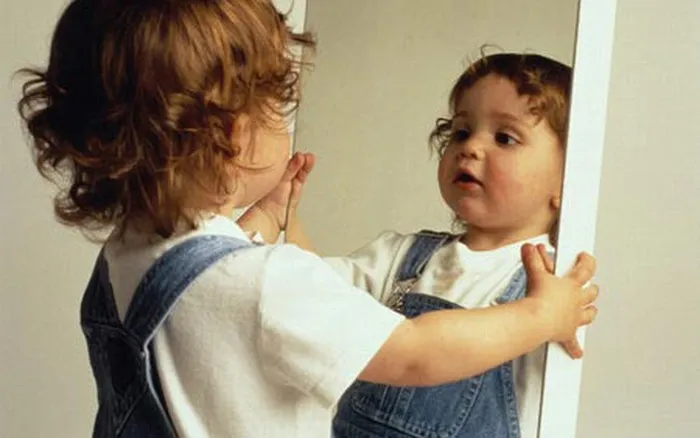
Children Learn More From What We Do Than What We Say
A parent may tell a child:
“It’s okay to make mistakes.”
But if the child constantly sees adults becoming frustrated over small failures, they may learn:
“Mistakes are dangerous.”
A parent may say:
“Talk calmly.”
But if conflicts are usually solved through shouting, children may learn:
“Loud reactions are how people communicate.”
Children are always observing.
They notice:
How we handle stress.
How we treat ourselves.
How we respond when things go wrong.
They are not only listening to our words.
They are learning from our emotional patterns.
A Child’s Behavior Is Often a Message
Many challenging behaviors are actually forms of communication.
A child who constantly interrupts may not simply be “rude.”
They may be looking for connection.
A child who has frequent tantrums may not be “difficult.”
They may not yet know how to regulate big emotions.
A child who becomes quiet may not be “fine.”
They may be struggling to express what they feel.
Instead of only asking:
“How do I stop this behavior?”
Try asking:
“What is my child trying to communicate?”
This small shift can completely change the way parents respond.
Emotional Regulation Is Something Children Borrow From Us
Young children do not naturally know how to manage every emotion.
They learn through relationships.
When a child feels overwhelmed, they often look toward their parent for emotional guidance.
A calm parent teaches:
“This feeling is difficult, but it is manageable.”
A patient response teaches:
“You can make mistakes and still be loved.”
A supportive conversation teaches:
“Your emotions are safe to express.”
Children gradually develop their own emotional skills through repeated experiences with emotionally available adults.
The Parent You Aspire to Be: Building Connection Before Correction
Many parenting struggles come from focusing only on changing behavior.
But lasting change often begins with connection.
The Parent You Aspire to Be explores how parents can better understand their children’s emotional needs and create stronger relationships.
The book focuses on ideas such as:
- Seeing behavior as communication
- Building emotional trust
- Responding instead of reacting
- Creating a supportive family environment
One of the most important parenting lessons is that children do not only need correction.
They need to feel understood.
When children feel connected, they are often more open to guidance.
Before Changing Your Child, Look at the Relationship
This does not mean parents must be perfect.
Every parent gets tired.
Every parent loses patience sometimes.
The goal is not perfection.
The goal is awareness.
When a child’s behavior becomes challenging, it can be an opportunity to ask:
“What is happening beneath the surface?”
“What emotion is my child expressing?”
“What are they learning from my response?”
Sometimes, the behavior we want to change in our children points us toward something we can understand and improve within ourselves.
Final Thoughts
Children are often mirrors before they are anything else.
They reflect the emotions, habits, and relationships they experience every day.
The most powerful parenting changes do not always start with controlling a child’s behavior.
They start with understanding the connection between parent and child.
Because when parents become more aware of themselves, children often gain the emotional safety they need to grow.