Children don’t become who we tell them to be—they become who they see us being every day.
It’s a simple truth. A hard one to accept. But true nonetheless.
Our reactions become their emotional blueprint. Our words shape their inner voice. Our actions teach far more than our advice ever will.
We tell them to stay calm when they’re upset. But if we lose our temper at the smallest inconvenience, what are they learning? We tell them to be kind to others. But if we gossip, judge, or speak harshly about people, what are they absorbing?
They watch everything. They notice the way we handle frustration, disappointment, and conflict. They notice how we talk to the cashier, how we drive in traffic, how we react when things don’t go our way.
If we want to raise calm, respectful, confident, patient, and kind children, it starts with practicing those qualities ourselves.
Because they’re always watching.
Key Takeaways (At a Glance)
- Children learn more from what we do than what we say. Our actions are their emotional blueprint.
- If you want calm kids, be calm. They mirror your reactions.
- If you want respectful kids, be respectful. They notice how you treat others.
- If you want confident kids, be confident. They absorb your self-assurance.
- If you want patient kids, be patient. They see how you handle waiting and frustration.
- If you want kind kids, be kind. Kindness is caught, not taught.
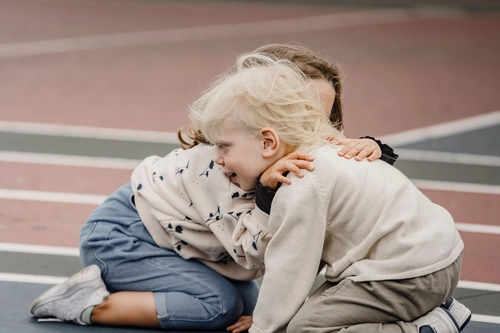
If You Want Calm Kids, Be Calm
Children are watching how you handle stress. When the line is long. When traffic is bad. When something doesn’t go your way. Do you lose your temper? Do you raise your voice? Or do you take a breath and stay steady?
Your calm becomes their calm. Your reactions become their reactions. They don’t always listen to what you say about staying calm. They watch what you do when you’re not calm.
If You Want Respectful Kids, Be Respectful
They hear how you talk to your partner. They hear how you talk to your parents. They hear how you talk about people who aren’t in the room. That’s where they learn respect. Or disrespect.
You can lecture them about treating others well. But if they hear you speaking rudely, dismissively, or with contempt, the message is lost. They will treat others the way you treat others.
If You Want Confident Kids, Be Confident
They watch how you talk about yourself. Do you criticize yourself in front of them? Do you dismiss your own abilities? Do you apologize for taking up space?
Your confidence — or lack of it — becomes their baseline. If they see you taking risks, speaking up, and believing in yourself, they will learn that they can too. If they see you shrinking, they learn that they should too.
If You Want Patient Kids, Be Patient
Patience is learned in small moments. Waiting in line. Waiting for dinner. Waiting for someone to finish speaking. They watch how you wait. Do you get frustrated? Do you check out? Do you complain? Or do you stay present and calm?
Your patience teaches them patience. Your frustration teaches them frustration.
If You Want Kind Kids, Be Kind
Kindness is caught, not taught. They learn kindness from watching you be kind. To the cashier. To the elderly neighbor. To the friend going through a hard time. To yourself.
If they see you being kind, they will be kind. If they see you being harsh, they will learn that harshness is acceptable.
They’re Always Watching
It can feel like pressure. But it’s also a gift. The awareness that your children are always watching gives you the chance to become the person you want them to be.
They don’t need perfect parents. They need parents who are trying. They need parents who are honest about their mistakes and willing to grow. They need parents who are modeling what it looks like to be human and still keep trying.
Because one day, they will become the people they’ve been watching. And when they do, they will carry forward everything you showed them — not everything you told them.
FAQ
Q: What if I’ve already modeled the wrong behavior for years?
A: It’s never too late to change. Children are resilient. They notice when you’re trying. Be honest with them. Apologize when you fail. Show them what growth looks like.
Q: How do I stay calm when my child is testing my patience?
A: Take a breath. Pause. Remind yourself that your reaction is teaching them something. You can be firm without being angry. It takes practice.
Q: What if I’m not confident and I’m worried my child will pick that up?
A: Be honest with yourself and work on it. You can model growth by saying things like “I’m working on believing in myself more.” That’s a powerful lesson too.
Q: Is it really true that children become who they see us being?
A: Yes. Not always — children are individuals. But the patterns they absorb at home shape their default responses to the world. Those defaults often carry into adulthood.
Q: How can I be a better model for my child starting today?
A: Start with one quality. Calmness, patience, kindness — pick one and focus on it. Your child will notice. And over time, the rest will follow.
