Trust is one of the most important parts of any relationship.
Whether in friendships, family relationships, or the workplace, people are more likely to connect with those who communicate honestly, clearly, and respectfully.
However, trust is not built through one conversation.
It develops through repeated communication habits.
The way you speak, listen, and respond can influence how others see you.
Small changes in communication can help you become someone people feel comfortable talking to.
Why Do Communication Habits Affect Trust?
People often decide whether they trust someone based on everyday interactions.
Trust grows when others feel that you:
- Listen to them
- Respect their opinions
- Communicate honestly
- Follow through on your words
Strong communication creates emotional safety.
When people know they can rely on your words and actions, relationships become stronger.
1. Listen Before Sharing Your Own Thoughts
One of the easiest ways to build trust is to become a better listener.
Many conversations become one-sided because people focus on sharing their own opinions.
Trusted communicators make others feel heard.
You can improve your listening by:
- Giving people your full attention
- Avoiding interruptions
- Asking questions
- Showing interest in their perspective
Listening shows respect.
2. Say What You Mean Clearly
Unclear communication can create confusion and reduce trust.
People feel more comfortable when they understand your intentions.
Clear communication means:
- Being direct but respectful
- Avoiding unnecessary ambiguity
- Explaining your thoughts calmly
- Choosing words carefully
You do not need complicated language to communicate effectively.
Often, simple and honest words create the strongest connection.
3. Keep Your Words Consistent With Your Actions
Trust grows when people see consistency.
If someone says one thing but behaves differently, others may become uncertain about their intentions.
Reliable communicators:
- Keep their promises
- Admit mistakes
- Take responsibility
- Communicate openly
Consistency helps people feel secure in relationships.
4. Respond Instead of React
Emotional reactions can sometimes damage conversations.
When people feel frustrated or defensive, they may say things they later regret.
A better approach is learning to pause before responding.
Before replying, ask:
- What is the other person trying to communicate?
- How can I express myself calmly?
- What outcome do I want from this conversation?
Thoughtful responses create healthier interactions.
5. Show Respect Even When You Disagree
Trust does not require everyone to have the same opinion.
Strong communicators understand that different perspectives are normal.
You can disagree while still showing respect by:
- Listening without judgment
- Acknowledging another viewpoint
- Explaining your perspective calmly
- Avoiding personal attacks
Respectful communication strengthens relationships.
6. Avoid Communication Patterns That Damage Trust
Some habits can slowly weaken relationships.
Making Assumptions
Assuming what others think or feel can lead to misunderstandings.
Not Admitting Mistakes
Taking responsibility often increases trust.
Ignoring Other People’s Feelings
People want to feel understood, not dismissed.
Using Words Carelessly
Small comments can have a lasting impact on relationships.
Does this sound like you? There’s more to explore.
Explore the Collection →Awakening to Human Nature

Break the Anxiety Circle
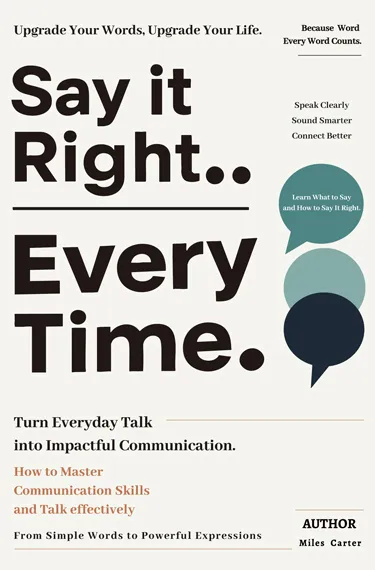
Say it Right..Every Time.
The Parent You Aspire to Be

How Say It Right Every Time Helps You Build Better Communication Habits
Strong communication is built through awareness and practice.
Say It Right Every Time by Miles Carter explores how everyday communication choices can influence relationships, understanding, and connection.
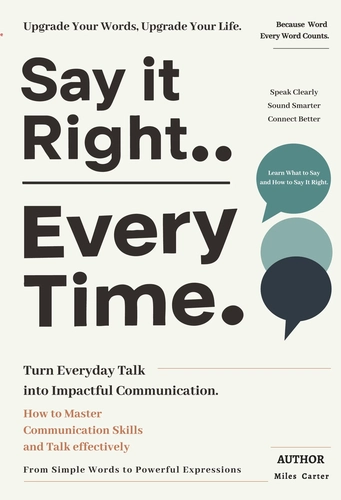
The book helps readers:
- Express themselves more clearly
- Develop better speaking habits
- Reduce misunderstandings
- Create more meaningful conversations
For anyone who wants to improve the way they communicate and build stronger relationships, this book offers practical insights into developing more effective communication habits.
Final Thoughts
Trust is created through consistent actions and thoughtful communication.
The words you choose, the way you listen, and how you respond all shape the relationships around you.
Improving communication habits does not require changing who you are.
It requires becoming more intentional with how you connect with others.
Better communication creates better relationships.