I still remember the look on Emma’s face when I said I had to catch a flight. Not just sadness. It was something closer to terror. Her voice dipped, her fingers tightened around her coffee cup, and within ten minutes of me leaving, my phone buzzed with five follow up texts. Was I sure about the gate? Did I remember my jacket? Could I text when I land? I wasn’t annoyed, exactly. More like helpless. I knew this wasn’t just a quirky attachment. It was the quiet weight of adult separation anxiety, and I had no idea how to deal with it.
Here’s the truth: You don’t need a psychology degree to be useful. The day I stopped trying to “fix” Emma and started learning how to stand beside her, everything shifted. If you have a friend experiencing separation anxiety, you might already be familiar with the constant check ins, the need to know where a person is at all times. It can be difficult to witness. Helping someone with separation anxiety requires more patience than most people realize, but even small actions can improve their daily well being.
Why Do Some Adults Fear Being Apart?
Many people assume only children go through intense distress when separated from a caregiver. It’s more common in kids, sure. But adults can develop the same tearing feeling after a divorce, when a child moves out, or simply because the wiring was always there since childhood. The fear isn’t about being controlling. It’s about a deep, often wordless panic that a loved one will be harmed, or simply vanish, the moment they’re out of sight.
Physical symptoms show up too. Headaches that settle in by late afternoon. Nausea before a planned goodbye. A sore throat from holding back tears. Psychologically, it sounds like: “What if something happens to you while you’re gone?” “I can’t breathe when I think about Sunday evening alone.” Adults with separation anxiety are not being dramatic. Their nervous system genuinely reacts as if the separation is a threat. And learning how to deal with separation anxiety adults carry means first recognizing that the panic is real, not chosen.
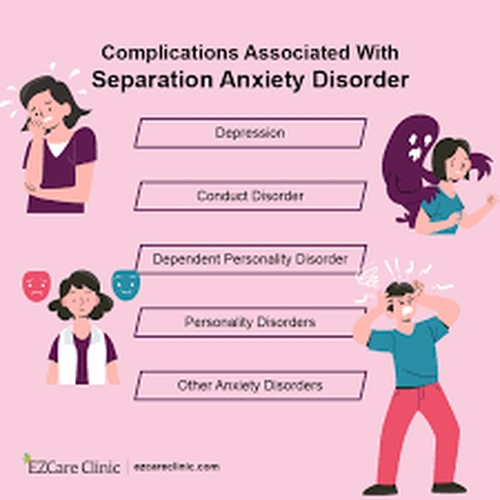
What Can I Actually Do When They’re Stuck in Anxiety?
Your job isn’t to be a therapist. Your job is to be a steady anchor. Over two years of walking alongside Emma, I found five approaches that made the difference between her spiraling alone and her slowly beginning to trust separations again.
1. Learn the basic shape of it. I started reading. You can talk to a counselor for insight, or check reputable resources like the Child Mind Institute, which covers adult struggles too. The more I understood that her rapid texts weren’t about distrusting me, the less defensive I felt. You can’t support what you don’t get.
2. Offer predictable presence, not just availability. Support might be a weekly Wednesday coffee without fail. It might be a shared online calendar where you put a little star on days you’ll be reachable. I told Emma, “I’m not going anywhere from this friendship. But I do need to go on business trips. Let’s build a rhythm around that.” Predictability gives the anxious brain a railing to hold.
3. Be patient in the ugly moments. Medical News Today outlines how constant worry frays a person. When Emma sent me seven texts in an hour because I didn’t reply while driving, I could have snapped. Instead, I waited until I could breathe and said, “I see you were scared. I’m here now. No one was hurt.” That simple line. Over and over. Patience taught her it was safe to admit the panic, which slowly reduced its power.
4. Encourage help gently. This is delicate. You can’t push. But I did say once, “I wonder if a therapist might give you tools I don’t have. I’ll drive you and wait outside if you want.” Separation anxiety is a condition that often responds well to talking with someone trained. She said no for months. Then one day she asked if the offer still stood. It did.
5. Celebrate the tiny wins as if they’re Christmas morning. Managing a mental health condition is exhausting work. When Emma attended her first therapy session alone, we celebrated with ice cream. When she sent only one check in text instead of four during a movie, I grinned and said, “Look at you, doing the hard thing.” Those small successes build proof that they can survive the separation. That’s everything.
The “Anchor Check-In” Routine
After a while, Emma and I built something we called the Anchor Check-In. It’s not a clinical tool. Just a named ritual that gave her a predictable way to ground herself.
Here’s how it worked: before any separation longer than a day, we’d pick one daily 5-minute window. Same time, same method. Usually 8pm, a quick phone call. I’d answer no matter what. The rule was simple: she only had to get through the hours until the Anchor. If panic rose at 4pm, she’d breathe and think, “Three hours until the Anchor. I can do that.” The separation no longer felt endless. It felt chunked into smaller, survivable sections.
She also built her own anxiety action plan on a note card: calm breathing patterns, a reminder to name five things she could see, and a line that read “I am safe. He will call.” Did it erase the anxiety? No. But it helped her tolerate the stretch between connections. And tolerating is the first step toward healing.
How to Suggest Help Without Sounding Judgy
One of the trickiest parts of learning how to deal with separation anxiety adults experience is knowing when to gently push toward professional support. I never said, “You need therapy.” That feels like a diagnosis. Instead, I framed it as a smart move: “You’ve been carrying something heavy. A therapist is like a spotter at the gym. They don’t lift for you, but they make it safer to push harder.” That image landed. Sometimes the person just needs to know it’s not a failure to ask for help.
What a Real Small Success Looks Like
It’s not the big milestones. It’s the quiet ones. One evening Emma told me, “I felt the tightness today, but I remembered the Anchor, and I didn’t text you until 7:59.” That wasn’t a perfect day. But it was a day she fought the urge and won. Recognizing that progress out loud is what fuels the next attempt. It’s how people with separation anxiety begin to rewrite the story they tell themselves.
FAQ About Adult Separation Anxiety
Can adults develop separation anxiety later in life?
Absolutely. While many people assume only children experience separation anxiety disorder, an adult can develop it after a major loss like divorce or an empty nest. Some adults have lived with it since childhood, never having had the tools to cope. People with obsessive compulsive tendencies might also be at increased risk.
What are common signs of separation anxiety in adults?
Physical symptoms include headaches, nausea, and a sore throat. Psychological indicators are a heightened fear of being alone, constant worry that a loved one will be harmed if left alone, and relationship friction caused by the need for constant reassurance. Knowing these signs helps you understand how to deal with separation anxiety adults face without taking their behavior personally.
How long does it take to help someone with separation anxiety?
There is no fixed timeline. Improvement often comes in uneven waves. A separation anxiety action plan, like calm breathing exercises and cognitive coping cards, can help manage symptoms in the short term, but deeper ease may take months of consistent support and possibly therapy. Patience is the whole game.
Is it okay to set boundaries while supporting someone with separation anxiety?
Yes, and it’s necessary. You can be supportive and still say, “I can’t answer texts during meetings. I’ll check in at noon.” Clear, warm boundaries protect your own mental health and model that separation is bearable. Supporting a friend with separation anxiety does not mean you absorb all their distress. It means you stay kind while also staying your own person.
One last thing. Two years later, Emma still gets a flicker of unease before I leave. But now she looks at me and says, “Text me when you land, but I’ll be fine.” She’s not cured. She’s stronger. And the look on her face when I walk away isn’t terror anymore. It’s just a little sadness, and mostly hope. That’s the whole point.
