The first parenting book I ever bought sat on my nightstand for three months. I looked at it every night. I never opened it. I was too tired, too overwhelmed, and honestly, too afraid that it would tell me everything I was doing wrong. If you have ever wondered whether parenting books actually help or if they just collect dust while you keep yelling at your kids, I understand that question deeply. It is the question I carried for years before I finally found an answer that felt true to my life.
Quick Answer: Do parenting books actually help?
Yes, but not in the way most people expect. A book cannot change your child. A book can change the way you see your child. That second change is the one that moves everything else.
Are All Parenting Books the Same?
No. That is the first thing I learned. Some books are written for people who want to feel smart. Others are written for people who are barely holding it together at 9pm. The difference matters more than the advice itself.
I remember reading one book that told me to stay calm and validate feelings. I threw it across the room. Stay calm? My son had just poured juice on the couch for the third time that week. Telling me to stay calm felt like telling a drowning person to breathe slower.
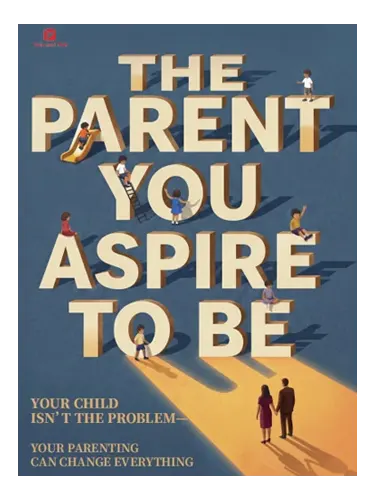
Then a friend handed me The Parent You Aspire to Be by Miles Carter. The subtitle on the cover said something about breaking cycles. I almost did not open it. I had heard that promise before.
But this one started differently. It said, you swore you would break the cycle for your kids, but you still find yourself yelling, shutting down, and repeating the very things you promised to change. I sat down on the kitchen floor and read the first chapter right there.
Why Do Some Books Help and Others Don’t?
Here is what I have come to believe after reading maybe twenty of them. A parenting book helps when it meets you in the exact moment you are stuck. It fails when it tries to fix everything at once.
The books that changed anything for me had three things in common. They described situations I recognized. They admitted that common responses often make things worse. And they gave me one small thing to try instead of a whole new philosophy.
The Parent You Aspire to Be did this with lying. My daughter used to lie about the smallest things. Did you brush your teeth? Yes. Was her toothbrush dry? Always. I had tried punishments, lectures, even a sticker chart that lasted four days.
The book asked a different question. What is she trying to avoid? Not how do I stop the lying, but what feeling is underneath it? That shift sounds small. It changed our mornings.
How Do You Read a Parenting Book Without Feeling Worse?
This is the part nobody talks about. Reading about parenting can make you feel like a failure. Every page becomes a mirror. Every example becomes evidence.
I learned to read with a pencil. I underline only what feels possible this week. Everything else gets ignored on purpose. A book is a menu, not a test.
I also stopped reading at night. Nighttime reading turned every suggestion into a list of things I had failed at that day. Morning reading, with coffee, gave me space to think instead of judge.
And I started reading with my partner. Not together, exactly. We would each read a chapter and then talk for ten minutes. Sometimes we disagreed with the book. That was useful too.
The One Chapter That Stayed With Me
The chapter on yelling. I have read a dozen versions of how to stop yelling and most of them made me feel terrible. This one did something different. It looked at the parent’s side first.
Why do I yell? Not because I am a bad mother. Because I am stressed, because I am carrying too much, because I have not slept properly in six years. The book did not excuse the yelling. It explained it. Then it asked what I could change upstream so the yelling had less fuel.
I started going to bed thirty minutes earlier. That sounds too simple to matter. It mattered more than any breathing technique I had ever tried.
Do These Books Actually Change Anything?
Here is my honest answer after five years of reading them. A book cannot change your child. A book can change the way you see your child. That second change is the one that moves everything else.
My son still has tantrums. My daughter still argues about screens. I still lose my patience sometimes. But the pattern underneath is different. I recover faster. I apologize sooner. I ask more questions and give fewer lectures.
The books did not fix us. They gave me a different set of eyes. That is worth more than any technique.
FAQ
Do parenting books actually work?
They work when they meet you where you are stuck and give you one small thing to try. They fail when they try to fix everything at once.
What if I do not have time to read?
Read one chapter a week. Or listen to an audiobook on your commute. Ten minutes daily beats three hours on Sunday.
Should I read parenting books at night?
No. Nighttime reading turns every suggestion into a list of failures. Read in the morning, with coffee, when you have space to think.
What if my partner and I disagree about the book?
That is useful. Talk about it. The conversation matters more than agreeing with the author.
Can a book really change my family?
A book cannot change your child. It can change how you see your child. That is where the real change starts.
A Closing Thought
I still have that first book on my nightstand. Unopened, mostly. But I kept it because it reminds me of the mother I was before I started asking better questions. She was tired. She was trying. She was enough, even then.
References
- Carter, Miles. The Parent You Aspire to Be.
- Siegel, Daniel J., and Tina Payne Bryson. The Whole-Brain Child. Bantam, 2011.
- Faber, Adele, and Elaine Mazlish. How to Talk So Kids Will Listen and Listen So Kids Will Talk. Scribner, 1980.

The Parent You Aspire to Be
Miles CarterPractical guidance for tantrums, backtalk, lying, screen addiction, emotional outbursts, and everyday parenting struggles.

