Every morning feels like a negotiation. The feet dragging, the tears, the sudden stomach pain that appears five minutes before the bus comes. And then those three words: “I hate school.”
Many parents hear that and feel their own frustration rise. The first question that jumps to mind is often: “Other kids go just fine. Why can’t you?”
I remember a stretch of weeks when getting my child out the door felt impossible. Every excuse in the book came out. I was exhausted, and honestly, a little angry. But what I learned from that time—and from talking to other parents who’ve been there—is that when a child says they hate school, they’re usually not talking about school at all.
Most Kids Don’t Actually Hate School
Children rarely hate the physical setting—the classroom, the hallways, the building itself. They don’t usually hate the idea of learning itself. What they hate is how school makes them feel.
Think about what school asks of a child every single day. Show up, perform, get along with others, keep up, avoid standing out too much, but also not fall behind. That’s a lot for a small person to carry.
Child development experts have found that what parents often call “school refusal” is rarely about defiance. It’s more often about distress. A child isn’t trying to make your morning harder. They’re trying to avoid a situation that feels genuinely difficult for them.
For some kids, that difficulty is fear of failing in front of everyone. For others, it’s the dread of being rejected or left out. And for many, it’s the weight of constantly being compared—to siblings, to classmates, to some version of themselves that never feels good enough. School just happens to be where those feelings show up for them every day.
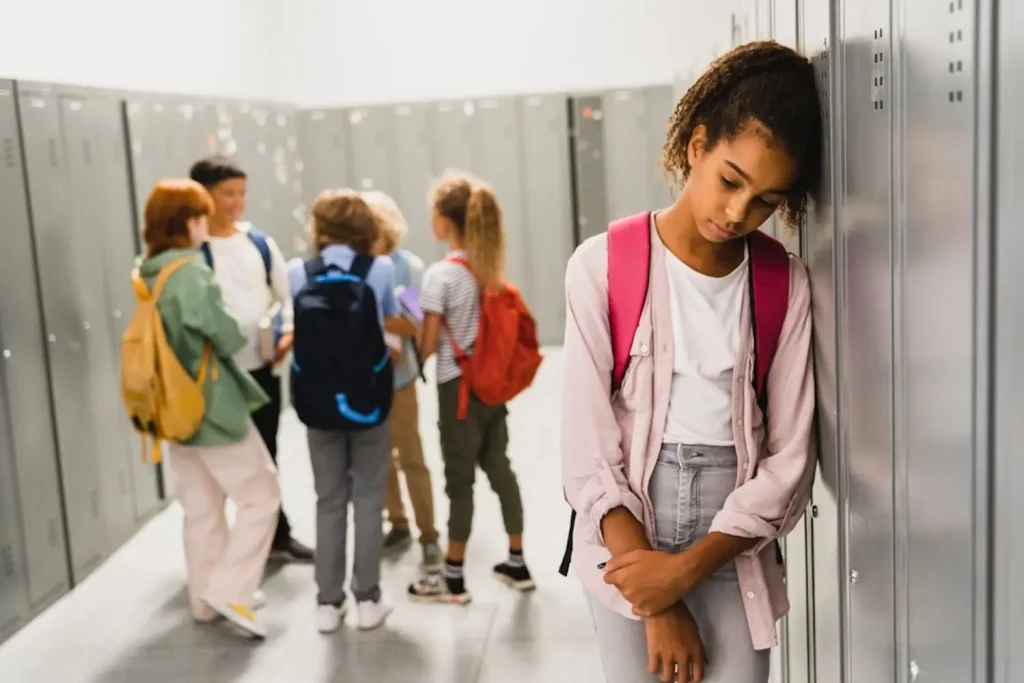
A neighbor once told me about her daughter who started refusing school around third grade. Everyone assumed it was academic. It turned out the girl was terrified of the bathroom because older kids waited there. The school part wasn’t the problem at all.
What “I Hate School” Often Really Means
When children say they hate school, they’re often talking about a feeling they don’t yet know how to describe. Learning to translate those words changes everything.
I Feel Different
This one shows up in quiet ways. A child notices they read slower than their table partner. They don’t know the same video games everyone is talking about. Their lunch looks different. Their clothes aren’t the right brand. Feeling different in even one small way can feel enormous when you’re surrounded by peers all day long. And once that feeling takes root, school becomes a place where they have to constantly manage the fear of being noticed for the wrong reasons.
I Feel Like I’m Failing
Not every child who feels like a failure actually is failing. Grades can be fine. Homework can be done. But inside, they’re measuring themselves against everyone else and coming up short every time. A child might watch other kids raise their hands easily, finish tests quickly, or get praised by the teacher. And they quietly conclude: “I’m behind. I’ll always be behind.” That feeling wears a child down over time. School starts to feel like a daily reminder of what they think they can’t do.
I Feel Alone
Loneliness in a crowded classroom is real. A child might have kids to sit with at lunch. They might answer when the teacher calls on them. But underneath, no one really sees them. No one chooses them first for a group project. No one texts them after school. That kind of quiet isolation doesn’t always look like sadness. Sometimes it looks like not caring. Sometimes it looks like anger. But underneath, it’s a child who has stopped believing they belong there.
I Feel Constantly Judged
Some children walk through the school doors and immediately feel watched. The teacher’s eyes. Other kids’ whispers. Even their own inner voice telling them they’re doing everything wrong. For these kids, every raised hand feels risky. Every answer feels like a test they might fail. Every outfit, every hairstyle, every backpack choice feels like something someone might comment on. School becomes less about learning and more about surviving the constant weight of being evaluated.
Why Parents Often Misunderstand the Problem
Here’s where many of us get stuck. We see the behavior—the refusal to get out of bed, the slammed doors, the tears over a worksheet. And we react to the behavior. Consequences. Lectures. Firm voices.
But what a child is experiencing on the inside is emotion. Fear. Shame. Overwhelm. And when we only address the behavior without touching the emotion underneath, nothing really changes. The same struggle shows up again tomorrow, maybe in a different form.
Think of it this way. If a child had a fever, you wouldn’t just tell them to stop shaking. You’d look for what was causing the fever. School refusal works the same way. The refusal isn’t the problem. It’s a symptom of something underneath.
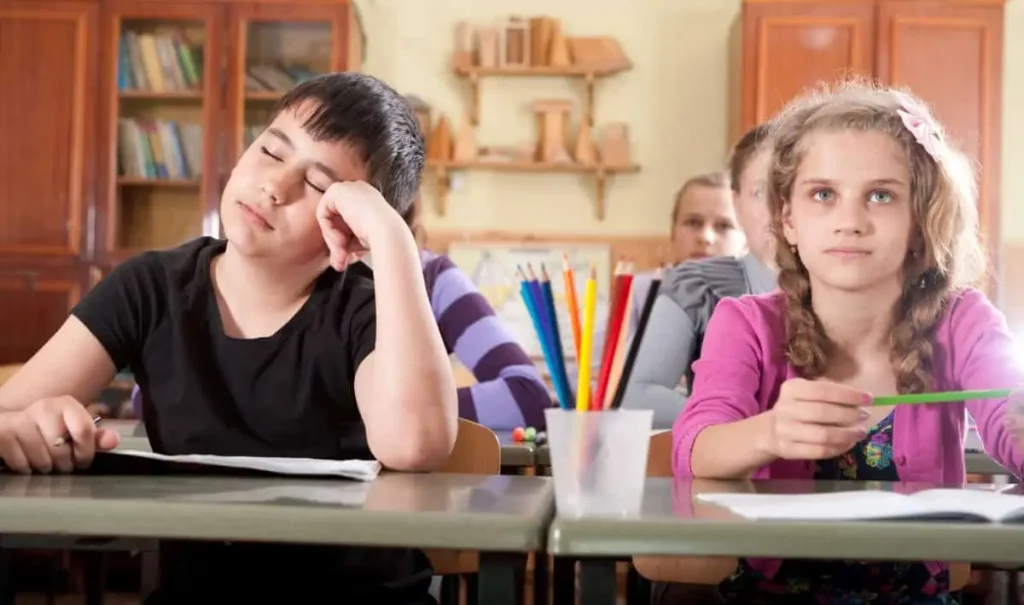
I once fell into this trap myself. My child wouldn’t finish homework, and I kept adding consequences. More screen time lost. Earlier bedtime. Nothing worked until I stopped and just asked what was hard about the homework itself. It turned out the assignment was confusing, and my child was too embarrassed to say so.
The Question That Changes Everything
Most parents ask the same question: “Why do you hate school?” It seems reasonable. But that question is too big. Too vague. And most kids honestly can’t answer it when they’re put on the spot.
Better questions are smaller and more specific. Try asking at a calm moment, not during morning chaos:
- “What part of school feels hardest right now?”
- “When do you feel most uncomfortable during the day?”
- “What happens right before you start wishing you could stay home?”
Here’s how that might actually sound in a real conversation. You say to your child, “You don’t have to get ready yet. Just sit with me for a minute. What’s the hardest part of your school day?” They might shrug and say, “I don’t know. Lunch, I guess.” So you ask, “Okay. What happens at lunch?” And then comes the quiet answer: “Nobody sits next to me unless the teacher makes them.”
That small exchange took less than two minutes. But now you know something you didn’t know before. The problem wasn’t math or reading or the morning routine. It was lunch. And that’s something you can work on.
The goal isn’t to fix everything in one conversation. Just to understand one small piece. So start there. Ask one small question. Listen without jumping in to solve. And Give yourself credit for trying something different. That alone is a big step forward.