Do you want to get inside someone’s head? Not to manipulate or control. Just to understand. To know what they’re really thinking. To see through the surface-level words and get to the real story.
The people who are hardest to read are often the ones who hide the most. They smile when they’re uncomfortable. They nod when they disagree. They say they’re fine when they’re not. But their words and their bodies don’t match. And if you know where to look, you can see the cracks.
Here are five psychological techniques that can help you read people more effectively.
Key Takeaways (At a Glance)
- When they apologize, say “I know.” It’s cold and dominant, making them wonder whether their apology changed anything.
- While they’re talking, look directly at their shoes. It unsettles them, making them over-explain and wonder if something is wrong.
- Tell them: “You remind me of someone I used to hate.” Then smile. It lingers in their mind long after the conversation ends.
- Ask: “Why do you keep fidgeting with your hands like that?” Even if they weren’t doing anything, it makes them hyperaware of every movement.
- Look behind them with concern mid-sentence. The uncertainty disrupts their focus and makes them keep looking back.
When Someone Apologizes, Don’t Say “It’s Okay”
Apologizing is vulnerable. People who apologize are often looking for reassurance. They want to hear that everything is fine. That what they did wasn’t that bad. That they’re forgiven.
That’s why you shouldn’t give it to them so easily.
Instead of saying “it’s okay,” say “I know.”
It sounds cold. It sounds dominant. It’s not angry — it’s just not forgiving. The person who apologized has no idea what that means. Did you accept it? Did you reject it? Are you still mad? They’ll be thinking about it long after the conversation ends.
My friend uses this with her partner when she’s not quite ready to forgive. He apologizes, she says “I know,” and he knows she’s still processing. It’s honest. It’s clear. And it makes him think twice before doing the same thing again.

While They’re Talking, Look Directly at Their Shoes
Eye contact is expected. That’s why breaking it in a specific way is unsettling. When you look at someone’s shoes while they’re talking, you create a strange form of pressure.
They’ll start wondering: is there something wrong with me? Is there something wrong with my shoes? Why aren’t they looking at me? They may become uncomfortable, start over-explaining, and wonder whether something about them is wrong.
It’s not cruel. It’s just a way of making them a little less comfortable in their presentation.
Tell Them: “You Remind Me of Someone I Used to Hate”
This one is more direct. It’s a line you can drop, followed by a smile. The contrast between the words and the smile is what makes it stay.
You’re not saying you hate them. You’re just saying they remind you of someone you did. The comparison is unfinished. It stays in their mind long after the conversation ends.
They might ask who. They might ask why. They might just keep thinking about it. Either way, you’ve planted a seed.
I had a friend use this once. He was at a dinner party, and someone was being overly arrogant. He said, “You remind me of someone I used to hate.” Then he smiled. The conversation was normal after that. But the guy spent the rest of the night trying to figure out what that meant. It’s a mirror trick — it doesn’t just unsettle them, it makes them question themselves in a way they might carry with them.
In the Middle of a Conversation, Suddenly Ask: “Why Do You Keep Fidgeting?”
Even if they weren’t doing anything unusual, this question changes everything.
“Why do you keep fidgeting with your hands like that?”
They weren’t fidgeting. Or maybe they were, just a little. But now they’re hyperaware. They start watching their hands. They start wondering if there’s something wrong with them. They become overly conscious of every movement.
It’s a way of making someone feel watched. It signals that you’re paying attention to details they didn’t even notice about themselves. And once they know you’re watching, they stop being relaxed.
Halfway Through Speaking, Look Behind Them With Concern
Mid-sentence, you pause. You look behind them. Not a glance — a real look. You hold it for a moment. Then you continue as though nothing happened.
The uncertainty disrupts their focus. They’ll keep looking back. They’ll wonder what you saw. They’ll lose track of what they were saying. Even after the conversation, they might still be thinking about it.
I’ve watched this used in a negotiation. One side kept looking behind the other person with a subtle look of concern. It wasn’t obvious. It was just enough to disrupt the other side’s rhythm. After a few times, the other person started losing his train of thought. He was less sure. Less confident. Less in control.
When to Use These Techniques
These aren’t tools for manipulation. They’re tools for reading. Tools for seeing through the surface. Tools for understanding what someone is really feeling.
You use them when something feels off. When you’re not sure if someone is telling the truth. When you want to get past their mask.
But you also use them with caution. Use them when it matters. Use them with people you need to understand. And use them without cruelty — just clear perception.
How to Read Someone’s Mind: The Book That Changes Everything
If you’re ready to go deeper — to understand body language, hidden intentions, and the unspoken rules of human behavior — How to Read Someone’s Mind by Miles Carter is the book you need.
It teaches you how to read people more effectively by understanding body language, facial expressions, eye contact, gestures, and other nonverbal signals. You’ll learn to recognize patterns of deception, emotional reactions, and inconsistent behaviors. You’ll develop stronger social awareness and improve your communication skills in professional and personal situations.
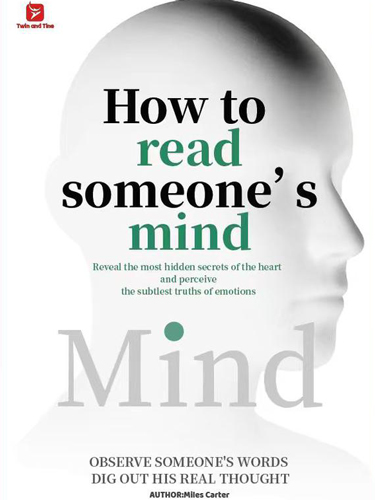
How to Read Someone’s Mind
Miles CarterPractical tools for reading body language, tone, and hidden intentions in real time. Spot what people aren’t saying — before you trust the wrong person.
FAQ
Q: What does “I know” really mean when someone apologizes?
A: It’s not forgiveness. It’s acknowledgment. It says: I heard you. But I haven’t decided if that changes anything. It’s a calm, neutral response that puts the ball back in their court.
Q: Why does looking at someone’s shoes make them uncomfortable?
A: Eye contact is expected. When you break it in a targeted way — like looking at their shoes — they become self-conscious and confused. It makes them wonder if something is wrong with them or what they’re wearing.
Q: Is saying “you remind me of someone I used to hate” manipulative?
A: It can be, if used as a weapon. The intentional ambiguity is effective but can come across as mean. Use it with people you need to unsettle — not as a casual habit.
Q: How can these techniques help me connect better with people?
A: The goal isn’t to control. It’s to observe. These techniques help you see when someone is uncomfortable, insecure, or hiding something. That awareness helps you respond more appropriately and build trust.
Q: Are these tricks a form of manipulation?
A: They can be, if you use them to control or take advantage of someone. But when used with awareness and integrity, they’re tools for reading people more accurately. The difference is your intention.