I was at a friend’s rooftop party, warm drink in hand, when he caught my eye. He’d glance over, then suddenly study his phone. Our eyes met for a fraction of a second, and he gave this tiny, embarrassed smile before looking away. I spent the next hour mentally replaying it. Was that attraction? Or just awkward politeness? I’d been burned before by misreading emotional cues in behavior, so that night I did nothing. Nothing except wonder. And let me tell you, I’m not alone. Most of us miss the silent signals people send because we don’t know what a real cluster of attraction cues actually looks like. What if you could stop guessing? What if a few small shifts in awareness could finally help you decode those moments?
Quick Emotional Cues to Watch For
If you’re wondering whether someone is into you, look for these:
- Look for clusters of at least three cues, not just one.
- A true smile crinkles the corners of the eyes.
- Attraction makes someone orient their whole body toward you, even in a crowd.
- Accidental touch that lingers a beat too long is rarely accidental.
- They check your reaction first when something funny happens.
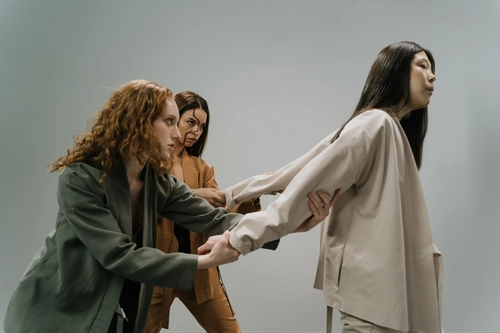
Why Do I Keep Missing Emotional Cues in Behavior?
Because our brains love tidy, single-clue explanations. You spot one smile and conclude the whole story. I used to do it all the time. A guy at a dinner party laughed at all my terrible jokes. I was convinced he was into me. He never asked a single question about my life. That’s not attraction. That’s politeness, or nerves, or just good manners. Genuine emotional cues in behavior cluster together. They don’t travel alone. Yet my brain latched onto the laugh and ignored the missing curiosity. How do we stop cherry-picking? For me, the turnaround came when I started watching for patterns over time, not snapshots. I’d heard people say fixing clothing or playing with hair is a sign. And sometimes it is. But only in context. If someone’s adjusting their collar while staring at you and leaning in, that’s different from fiddling with a necklace because they’re nervous with everyone. The reason so many of us miss the signals? We look for one magic clue instead of a sequence. What if we trained ourselves to watch for a three-hit combination?
How to Actually Read Emotional Cues in Behavior When Someone’s Attracted
Here’s where it gets concrete. I spent a summer basically people-watching at cafes and parties, keeping a mental log of what real interest looked like versus generic friendliness. And I noticed a handful of cues that, when they appear together, rarely lie. Full, undivided attention paired with a constant small smile. The kind of focus where they barely notice someone else walking up because they’re locked into you. Catching them staring, and instead of snapping their head away in embarrassment, they hold the gaze for a second longer. It feels almost electric. Mutual eye gazing that turns into silent conversation. You’re across a room, yet both of you keep finding each other’s eyes and trading micro-smiles. A smile that genuinely reaches the eyes. You know the one, the crow’s feet appear, the whole face softens. You can’t fake it. Accidental-seeming touch that doesn’t pull back fast. Like your hands both reaching for the same salt shaker and resting against each other. Neither person yanks away. That’s intentional, even if nobody says so. Then there’s the checking behavior. In a group, when somebody tells a joke, the attracted person won’t just laugh, they’ll glance at you first to see if you’re laughing. You’re their reference point. That’s a massive tell.
None of this works in isolation, though. I’ve had cashiers give me undivided attention and a warm smile while talking about the weather. They’re paid to be pleasant. The cluster is the difference. When a barista remembers my order the next day, leans in a little closer to hear me, and his hand lingers on the cup, I start to reconsider. True interest is hard to fake across multiple moments. So I began asking myself: Are there three signals in five minutes? If not, I let it go.
The 3-Second Rule: A Ritual to Stop Misreading Signals
I made up a tiny mindfulness tool after messing up one too many times. I call it the 3-Second Rule. When you notice what feels like an emotional cue, silently count to three before reacting. Why three seconds? It forces you to see if the cue repeats or if a second cue joins it. A single glance might be random. A glance, then a slight body turn toward you, then a quick hair touch, all in that window, that’s a pattern. Here’s what it looked like in real life. At a friend’s birthday dinner, I caught a man looking at me. I counted: one, two, three. He didn’t look away. He tilted his head, smiled, and then asked me a question about my work. Cluster. I reached out to him the next day. The rule saved me from overreacting to a fleeting moment. It also stops you from staring back like a deer in headlights. You just observe. What if the three seconds pass and nothing else happens? Then maybe it was just a glance. No harm, no foul. Your anxiety drops because you’ve given yourself a decision framework. A lot of reading emotional cues in behavior is simply giving yourself permission to wait.
Digging Deeper: Settings Change Everything
Emotional Cues in Behavior at Work vs. Social Gatherings
Work settings mess with your radar. I had a colleague who always stood close, touched my arm when emphasizing a point, and laughed at my dry humor. I started to wonder. Then I saw him do identical things with everyone else on the team. It was just his personality. In professional environments, roles often demand friendliness. A barista, a salesperson, a client-facing coworker, they’re literally paid to make you feel special. So I learned to add a filter: does this behavior disappear the moment they’re off the clock? If you only get smiles during 9-to-5, it’s probably role-play. Social gatherings strip away that script. At a backyard barbecue, nobody’s earning tips. So a cluster of emotional cues there carries more weight. I’ve also noticed that in casual settings, people feel free to ignore you outright. So if someone chooses to sit near you, lean in, and initiate conversation despite other options, that’s louder.

When Culture Shapes Emotional Cues in Behavior
My friend grew up in a culture where direct eye contact is considered confrontational. He once told me he hated how some people assume avoiding eyes means lying or disinterest. For him, looking down was a sign of respect, especially with someone he found attractive. This blew my whole mental model apart. What if that person who never holds your gaze is actually battling nerves? Or what if a bright, constant smile is just a social norm, not a confession of interest? Now, when I notice a cue that feels ambiguous, I ask myself about cultural and personality context. Introverts may retreat when they like you. Neurodivergent folks might not show typical body language at all. Some with ADHD, like me, can be genuinely interested but physically unable to maintain eye contact while listening. No single rule covers everyone. So I now pair my observation with gentle, low-pressure verbal checking: “I notice you’re really easy to talk to. Is that just how you are with people?” A genuine smile after that question often tells me everything I need.
FAQ: Your Questions About Reading Emotional Cues in Behavior
Q: What are the most reliable emotional cues in behavior for attraction?
A: There’s no one magic gesture, but clusters of prolonged eye contact, mirroring your body language, accidental touch that lingers, and checking your reaction in group settings are strong patterns. Alone, each can be misleading; together, they tell a far clearer story.
Q: How can I get better at noticing emotional cues in behavior?
A: Start people-watching without judgment. Next time you’re at a café, observe pairs or groups. Note who leans in, who breaks eye contact first, who touches whom. After a while, your brain will start spotting the clusters naturally. It’s like learning a language; immersion works.
Q: Can someone show emotional cues in behavior without actually being attracted?
A: Absolutely. Friendliness, cultural norms, anxiety, and even just a warm personality can mimic flirting. That’s why context and repeated cues over time matter more than a single moment. The goal is to avoid mistaking baseline social warmth for romantic interest.
Q: If someone shows few emotional cues in behavior, does it mean they’re not interested?
A: Not necessarily. Shyness, autism spectrum traits, or social anxiety can suppress typical body language. A person might be deeply interested yet look away, freeze up, or avoid proximity out of fear of being obvious. Look for small, consistent acts, like them always finding a reason to be near you, even if silently.
Q: How do I stop overthinking every interaction?
A: Use the 3-Second Rule. When you notice a potential cue, count to three and watch for a second or third signal before reacting. If nothing follows, let it go. Trust that real attraction shows up in patterns, not single moments.
One Last Thing
I left that rooftop party years ago with no answers, just a nagging ache of what-if. I’d fixated on a single glance and missed the forest for the trees. Today I’d do it differently. I’d watch, I’d wait three full seconds, I’d scan for the cluster. I’d trust the feeling I get when someone’s whole face lights up as I walk in. That can’t be faked. Emotional cues in behavior are whispering all around you. You just have to slow down and let the pattern speak for itself.
References
- Ekman, P. (2003). Emotions Revealed: Recognizing Faces and Feelings to Improve Communication and Emotional Life. Times Books.
- Navarro, J. (2008). What Every BODY is Saying: An Ex-FBI Agent’s Guide to Speed-Reading People. William Morrow Paperbacks.
- Moore, M. M. (2010). Human nonverbal courtship behavior—A brief historical review. The Journal of Sex Research, 47(2-3), 171-180.
