Being intelligent does not always mean being good at handling difficult situations. Someone can be highly capable at work and still struggle with anger, criticism, stress, or relationships.
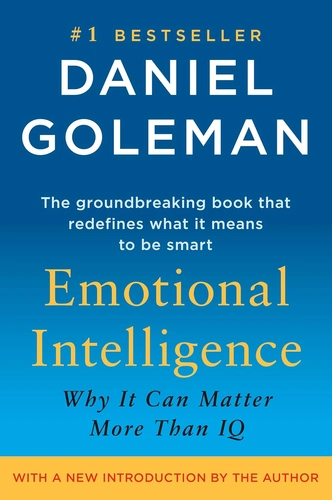
Emotional Intelligence by Daniel Goleman explores a different side of human ability: how well we recognize, understand, and manage emotions. The book argues that emotional skills can have a meaningful influence on how we navigate relationships, make decisions, respond to pressure, and interact with the people around us.
For readers interested in psychology and personal development, Goleman’s work provides a useful framework for understanding why emotional awareness matters and how it can affect everyday life.
About Emotional Intelligence
Published by psychologist and science writer Daniel Goleman, Emotional Intelligence brought the idea of emotional intelligence into mainstream discussion. Rather than viewing intelligence purely through traditional measures, Goleman examines the role emotions play in human behavior and social functioning.
The book explores several interconnected abilities, including recognizing one’s own emotions, managing emotional reactions, understanding the feelings of others, and maintaining productive relationships.
Goleman combines psychological research with examples from everyday life to show that emotional skills are not simply abstract personality traits. They can influence how people respond to challenges, communicate with others, and handle situations where emotions run high.
Why Emotional Awareness Matters
It is easy to assume that emotions and rational thinking are separate. In reality, emotions can influence attention, memory, judgment, and behavior even when we are trying to make a purely logical decision.
This is one of the ideas that makes Emotional Intelligence particularly interesting. Understanding emotions does not mean allowing them to control every decision. Instead, emotional awareness can give people more information about what is happening internally before they choose how to respond.
That distinction is important in everyday situations. Feeling angry is different from acting aggressively. Feeling anxious is different from allowing anxiety to make every decision.
Learning to recognize that difference can create more room for thoughtful responses.
Key Ideas From The Book
Self-Awareness Comes First
A person cannot effectively manage an emotion they do not recognize.
Goleman places considerable importance on self-awareness—the ability to notice what we are feeling and understand how those emotions may be influencing our behavior. Without that awareness, people can react automatically and only realize what happened afterward.
Developing this skill can be as simple as paying closer attention to emotional triggers. Recognizing patterns such as becoming defensive after criticism or feeling overwhelmed in certain situations can be the beginning of better emotional control.
Emotional Regulation Is Not Emotional Suppression
One useful distinction in the book is that managing emotions does not mean eliminating them.
Anger, sadness, fear, and frustration are normal human experiences. Trying to suppress every uncomfortable feeling can sometimes make it harder to understand what is actually happening.
Instead, emotional regulation involves creating enough space to respond deliberately. The goal is not to become emotionless, but to avoid allowing a temporary emotional reaction to determine a lasting decision.
Understanding Other People’s Emotions Matters
Emotional intelligence is not limited to self-awareness. Goleman also explores empathy—the ability to recognize and understand what other people may be experiencing.
This can influence almost every kind of relationship. Being able to notice another person’s frustration, discomfort, excitement, or uncertainty can help us communicate in ways that are more appropriate to the situation.
Empathy does not require agreeing with everyone. It simply means making an effort to understand the emotional perspective behind another person’s behavior.
Relationships Depend on Emotional Skills
Communication is often discussed in terms of words, but emotional intelligence adds another layer. Tone, timing, empathy, self-control, and awareness can all influence whether a conversation becomes productive or turns into conflict.
This makes emotional intelligence particularly relevant to relationships. Knowing what to say matters, but knowing when to speak, when to listen, and how to respond under pressure can matter just as much.
What Makes Emotional Intelligence Worth Reading?
One of the book’s biggest strengths is that it expands the way readers think about intelligence. Academic ability and technical skills are valuable, but they do not automatically teach someone how to handle disappointment, resolve conflict, or understand another person’s feelings.
The book also gives readers a vocabulary for experiences that can otherwise be difficult to describe. Concepts such as self-awareness, empathy, and emotional regulation help explain why certain interactions feel easy while others become emotionally exhausting.
Another strength is its broad relevance. Emotional intelligence can matter at home, in friendships, at school, and in professional environments. The same ability to recognize emotions and respond thoughtfully can be useful in very different parts of life.
Because the book draws heavily on psychology and research, some sections are more academic than a typical modern self-help book. However, readers who enjoy understanding the reasoning behind personal development concepts may find this depth valuable.
Emotional Intelligence in Everyday Life
The ideas in the book become particularly practical when applied to ordinary situations.
Imagine receiving criticism that feels unfair. An immediate reaction might be defensiveness or anger. Emotional awareness creates another possibility: noticing the reaction, considering why it appeared, and deciding how to respond rather than reacting automatically.
The same principle applies to relationships. A disagreement does not necessarily mean that someone is unreasonable or uncaring. Sometimes recognizing the emotion underneath the disagreement can reveal what each person actually needs.
These small moments are where emotional intelligence becomes more than a psychological concept. It becomes a skill that can influence how people handle everyday life.
Who Should Read Emotional Intelligence?
This book is a good choice for readers who want to understand emotions and improve the way they interact with others.
It may be especially useful for people who:
- Want to improve emotional awareness
- Struggle with stress or strong emotional reactions
- Want to communicate more effectively
- Find relationships or conflicts difficult to navigate
- Are interested in psychology and human behavior
- Want to develop greater self-understanding
It can also be valuable for readers who are successful in other areas of life but feel that managing emotions and relationships is a more difficult challenge.
Final Thoughts
Emotional Intelligence offers a broader perspective on what it means to be capable in life. Understanding facts and solving problems are important, but knowing how to manage emotions, understand other people, and respond thoughtfully can be just as valuable.
For readers interested in personal growth and psychology, the book provides a strong foundation for thinking about emotional awareness in a more deliberate way. Its central lesson remains relevant: becoming better at understanding emotions can change not only how we feel, but also how we communicate, make decisions, and build relationships.