You are in a meeting. Your proposal gets shot down. Heart starts racing. Temples tighten. You feel the urge to push back. Before you can stop yourself, you say it: “That is not my problem.”
The room goes quiet for a second. You know it sounded defensive. But you cannot take it back. You spend the rest of the meeting replaying that moment in your head.
If this sounds familiar, you have probably looked for communication books. But there are two kinds: one teaches you what to say. The other teaches you to manage your emotions. Both sound useful. You are not sure which one you need first.
Below are two books that represent each approach.
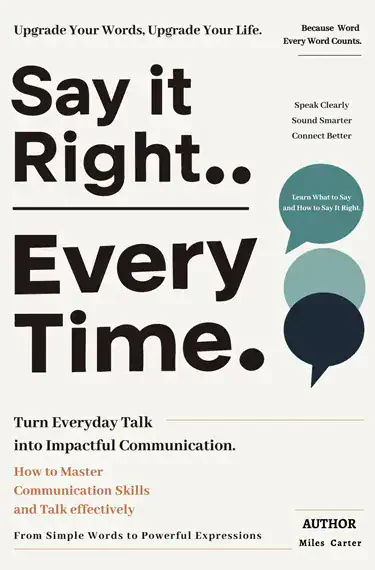
Say It Right Every Time by Miles Carter
When you get shot down, you want to push back. Most people get stuck here. They know they should not lash out. But they do not know what else to say.
Carter solves that. Same situation, different words. “That is not my problem” puts the other person on defense. “Let me walk you through my thinking” keeps the conversation open.
This book teaches you to speak clearly even when your emotions are already running high.
If you constantly replay conversations thinking “I should have said that differently,” this book moves those words to before you speak.
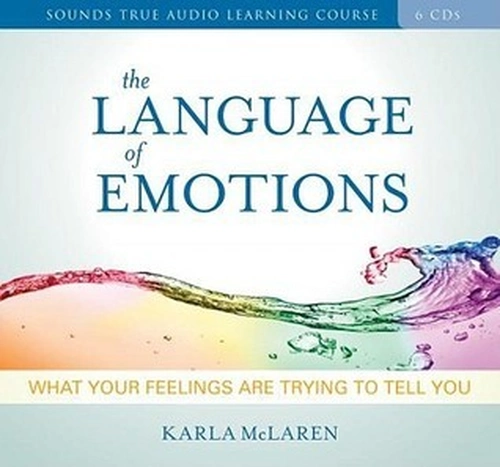
The Language of Emotions by Karla McLaren
You have the words. But you cannot stop the urge that rises first.
McLaren says every emotion has a function. Anger tells you a boundary was crossed. Anxiety signals a threat.
Most people have two options: suppress or explode. McLaren gives you a third: pause, look at it, ask what it is telling you.
You are not suppressing the anger. You are creating half a second of space between impulse and action.
The order matters
Read Carter first. You learn what to say. But if you cannot read your emotions, the impulse still runs ahead of your words.
Then read McLaren. You learn to read the impulse. You choose between reaction and response.
Read both, in the right order, and you finally say what you mean when it matters.
