When Worry Becomes the Background Noise of Everyday Life
Some people do not experience worry as one big emotional event. It is more like background noise that follows them through the day. You think about what might go wrong while getting ready in the morning, replay a conversation during lunch, and start analyzing tomorrow’s problems before you have even finished today’s work.
The thoughts can be surprisingly ordinary. A short message from a coworker sounds slightly different, and you wonder whether something is wrong. You make a decision and immediately start looking for reasons it might have been the wrong one. Nothing dramatic has happened, yet your mind keeps preparing for problems that may never arrive.
Over time, this constant mental activity can become exhausting. The difficulty is not simply having anxious thoughts; it is getting stuck in a pattern where every thought seems to require another thought before you can move on.

Why Chronic Overthinking Is So Difficult to Break
Overthinking often feels useful because it gives you the impression that you are staying prepared. Going through every possibility can seem like a way to prevent mistakes, avoid regret, or regain control over uncertain situations.
The trouble begins when thinking stops producing anything new. You revisit the same conversation, compare the same options, or imagine the same future scenario from slightly different angles, hoping that another round will finally make you feel certain.
That is usually when mental effort turns into mental fatigue. The answer is not always to think less, but to recognize when thinking has stopped helping and has become part of the problem.
What to Look for in a Book About Chronic Overthinking
A useful book on overthinking should offer more than reassurance. Telling yourself to relax or “stop worrying” does very little when you have already developed a strong habit of mentally checking, replaying, and predicting.
The books below approach the problem in different ways, but they share something important: they help readers understand the relationship between thoughts, emotional reactions, and the behaviors that keep worry going.
For someone dealing with chronic overthinking, that shift in perspective can be more useful than another collection of generic calming tips.
1. Break the Anxiety Circle by Miles Carter
Break the Anxiety Circle is centered on the repeating patterns that connect anxiety, overthinking, self-doubt, emotional reactions, and the need for certainty. Rather than treating every worry as a separate issue, Miles Carter focuses on the mental loops that can keep the same concerns coming back long after the original trigger has passed.
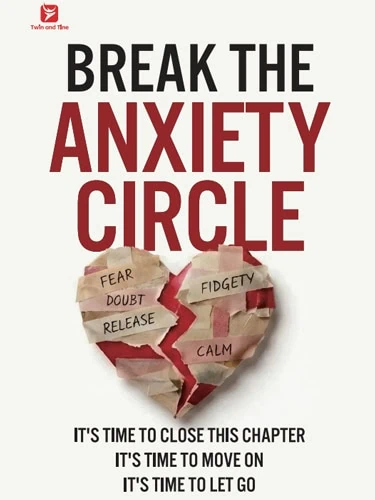
That approach fits daily worry particularly well because chronic overthinking rarely stays in one category. You may start by worrying about a work decision, then move into what someone else might think, replay something from yesterday, and eventually start worrying about what could happen next week. The subject changes, but the underlying pattern remains the same.
The book explores several themes that are closely connected to this cycle:
- Recognizing recurring thought patterns: Notice when ordinary reflection has turned into repetitive mental replay.
- Understanding emotional triggers: Identify the situations and reactions that tend to send your thoughts into a spiral.
- Letting go of what keeps pulling you backward: Break the habit of repeatedly revisiting regret, old conversations, and situations that cannot be changed.
- Reducing dependence on external approval: Understand how people pleasing and fear of judgment can keep you questioning your own decisions.
- Strengthening self-worth and emotional control: Develop a steadier response so one difficult thought does not take over the rest of your day.

Break the Anxiety Circle
Miles CarterA mental reset for people trapped in the overthinking loop. Understand why your mind won’t stop racing — and how to break free from anxiety, people-pleasing, and emotional exhaustion.
One of the more useful aspects of the book is that it does not treat overthinking as a problem that can be solved by simply “thinking positively.” If your mind has learned to search constantly for danger, mistakes, or signs that something is wrong, the habit needs to be understood before it can be changed.
For readers looking for books for chronic overthinking, Break the Anxiety Circle offers a practical framework for understanding why these loops become so persistent and how to start interrupting them in everyday life.
2. The Worry Trick by David Carbonell
The Worry Trick takes a different approach to chronic worry by looking at what worry is trying to accomplish. The book explains how the mind can treat worrying as a form of preparation, even when the worrying itself is keeping you tense and distracted.
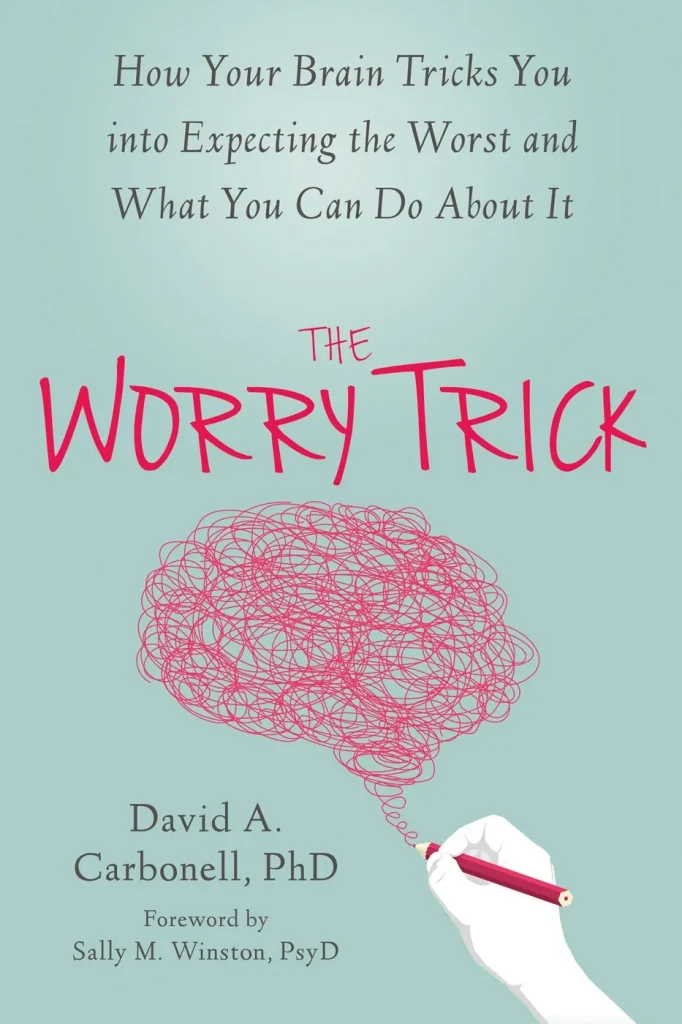
That idea can be surprisingly relevant when you feel as though you have to solve every possible problem in advance. Instead of arguing with every anxious thought, the book encourages a different relationship with worry so that you do not automatically follow every “what if” that appears.
For people who spend a large part of the day anticipating problems, this can offer a useful perspective on why the urge to keep thinking feels so convincing in the first place.
3. Chatter by Ethan Kross
Chatter focuses on the internal conversations that can become destructive when the mind keeps circling around the same concerns. It looks at how self-talk can influence emotions and decision-making, and it explores practical ways to gain some distance from repetitive negative thinking.
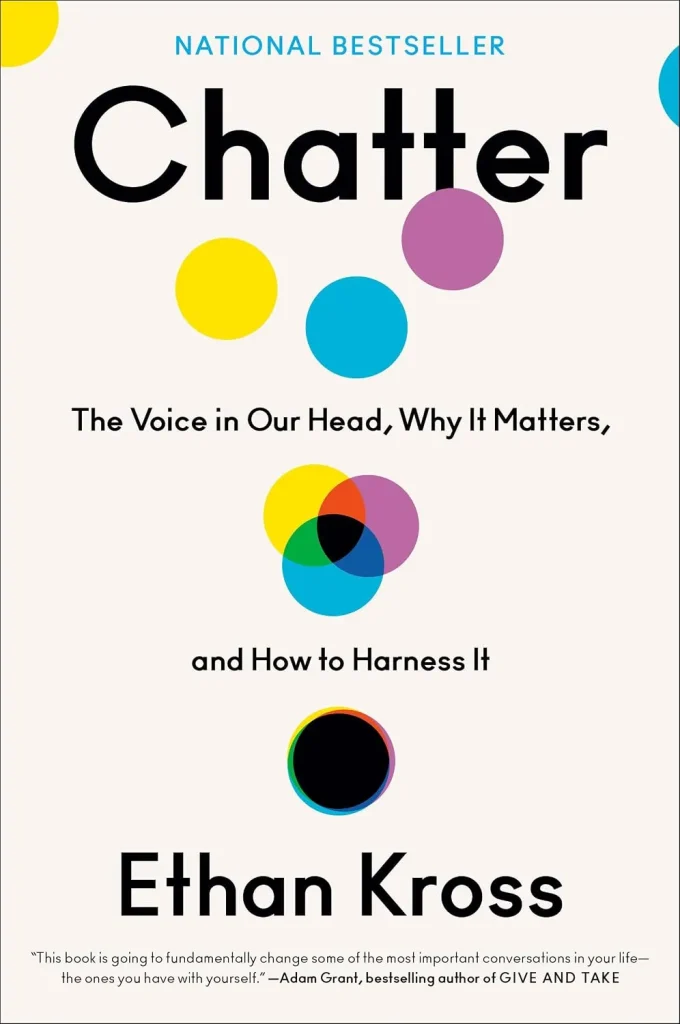
The book is particularly relevant to people who replay conversations, criticize themselves after mistakes, or become absorbed in an internal monologue that is difficult to switch off.
Its approach is less about eliminating thoughts and more about changing the way you relate to the voice in your head. That makes it a useful companion for readers who want to understand why certain thoughts become so consuming.
When More Thinking Stops Being Helpful
There is a point where analyzing a problem no longer makes the decision clearer. You have considered the same possibilities, revisited the same details, and asked the same questions, but you still do not feel ready to move forward.
This is one of the patterns Break the Anxiety Circle is designed to help readers recognize. The problem is not that you cared too much about the situation. It is that your mind kept demanding a level of certainty that the situation could not provide.
Learning to notice that moment can make a real difference. Instead of spending another hour searching for the perfect answer, you can decide what is actually within your control and allow the rest to remain uncertain.
Daily Worry Often Has More Than One Source
Chronic worry is rarely caused by one issue. Work stress can mix with relationship concerns, self-doubt, fear of making mistakes, and unfinished thoughts from the day before. Because all of these concerns interact, trying to solve them separately can feel like an endless task.
This is where Break the Anxiety Circle takes a broader view. Its focus on anxiety loops, self-worth, people pleasing, emotional regulation, boundaries, and letting go reflects the way these patterns often overlap in real life.
You might think you are worried about what someone said, when part of the distress actually comes from needing their approval. You might think you are stuck on a past mistake, when the deeper issue is that you no longer trust your own judgment. Recognizing those connections can make the problem feel much less mysterious.
A Calmer Mind Does Not Mean an Empty Mind
The goal is not to stop having thoughts or to become completely free of uncertainty. A healthy mind will still notice risks, remember difficult experiences, and think about the future.
The difference is whether those thoughts control the rest of your day. When you can notice a worry without immediately feeding it with another question, another prediction, or another round of self-doubt, you create some distance between the thought and your response.
That is where these books can be useful. The Worry Trick helps readers reconsider the role of worry, Chatter explores the impact of repetitive inner dialogue, and Break the Anxiety Circle brings together the broader patterns that can keep anxiety and overthinking reinforcing each other.
Breaking the Cycle Starts With Recognizing It
Chronic overthinking can become so familiar that it starts to feel like part of your personality. You may even believe that you are simply someone who thinks deeply or worries because you care.
But there is a difference between thoughtful reflection and a mind that cannot leave a question alone. Once you begin to recognize the difference, you can make more deliberate choices about when to think something through and when it is time to let the thought go.
For anyone searching for books for chronic overthinking and daily worry, these three books offer different ways to understand that struggle. And if the same mental patterns keep returning across work, relationships, decisions, and everyday life, Break the Anxiety Circle provides a practical starting point for understanding the cycle underneath them.
If you found this helpful, these books go deeper into the same themes.



Break the Anxiety Circle
$19.90

From Debt to Wealth
$19.90

