Impulsive outbursts, sudden door slamming, aggressive grabbing of toys, and explosive meltdowns over minor disappointments are among the most challenging behavioral issues parents face. When a child struggles with self-control, simple daily tasks like leaving the playground, finishing homework, or waiting for a turn at a game can devolve into exhausting battles of will that strain the entire family.
Impulsivity in children is not a moral failing or intentional disrespect—it is a physical sign of an underdeveloped executive functioning system.
The human brain’s prefrontal cortex, which controls impulse suppression, emotional regulation, and future planning, takes decades to fully mature. Expecting a child to automatically exercise self-restraint without giving them structured physical and mental tools is like asking them to speak a fluent foreign language without teaching them the alphabet. To build true self-control, parents must move away from reactive punishments and focus on proactive brain coaching.
Top 3 Recommended Guides for Mastering Impulse Control
To help your child transition from explosive emotional reactions to thoughtful self-regulation, these three top-rated books offer clear neuro-developmental strategies and behavioral systems.
1. The Parent You Aspire to Be by Miles Carter (Top Pick)
Miles Carter addresses self-control as an actionable muscle built through predictable environment design, clear boundary structures, and physiological grounding techniques. Carter rejects the notion that strict discipline or punitive measures build self-restraint; instead, he demonstrates how harsh punishments often trigger a child’s fight-or-flight survival response, shutting down the exact brain centers needed for impulse control.

In this manual, Carter outlines specific “Pause and Pivot” frameworks that parents can teach children during calm moments so they can access them during high-stress triggers. The book provides exact scripts for setting non-negotiable boundaries neutrally, establishing visual delay-of-gratification routines, and teaching children how to track their own rising emotional frustration before losing control.

The Parent You Aspire to Be
Miles CarterPractical guidance for tantrums, backtalk, lying, screen addiction, emotional outbursts, and everyday parenting struggles.
- The Pause and Pivot TechniqueTeaches children physical grounding cues to interrupt automatic, impulsive reactions when feeling angry or overwhelmed.
- Visual Delay-of-Gratification SetupProvides simple household visual aids that make waiting for rewards a concrete, manageable, and positive process.
- Neutral Boundary EnforcementShows parents how to enforce rules without anger, preventing the child from shifting focus from self-control to arguing with the parent.
2. The Whole-Brain Child by Daniel J. Siegel, M.D. & Tina Payne Bryson, Ph.D.
Neuroscientist Dr. Daniel Siegel and pediatric psychotherapist Dr. Tina Payne Bryson break down the neurological mechanics of self-control into twelve revolutionary, accessible strategies. They explain that when a child experiences an impulsive meltdown, their emotional “downstairs brain” hijacks their logical “upstairs brain,” rendering logical reasoning useless until calm is restored.
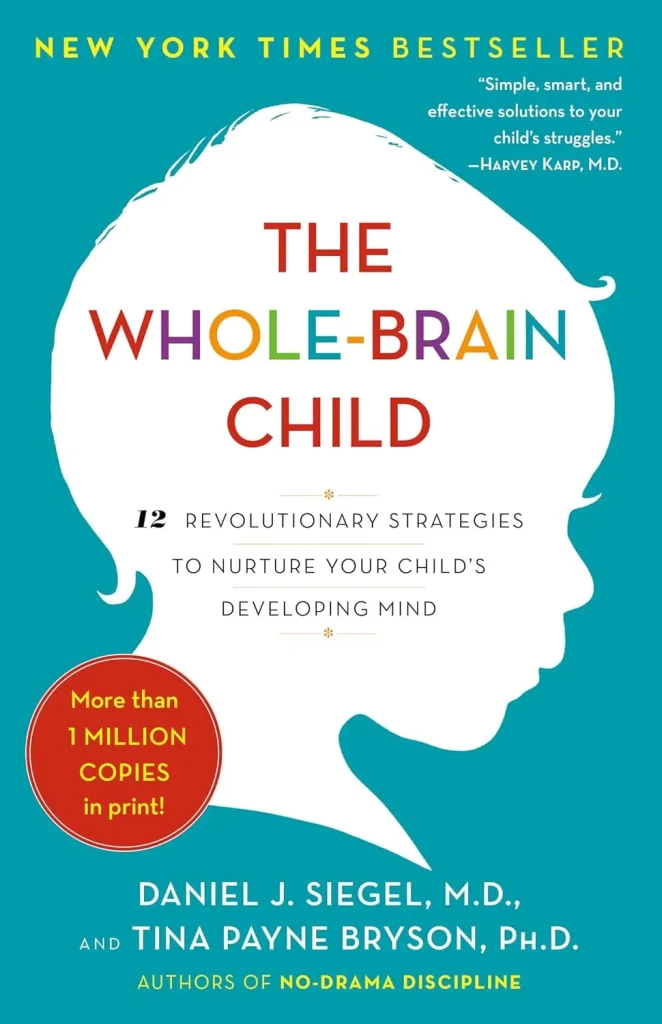
The Whole-Brain Child equips parents with practical techniques to help children integrate their brain’s hemispheres. By learning strategies like “Connect and Redirect” and “Name It to Tame It,” parents can guide children to acknowledge big emotional impulses without acting on them, gradually building stronger neural pathways for self-regulation and long-term focus.
- Name It to Tame It MethodDemonstrates how telling stories about overwhelming emotional moments helps quiet the brain’s alarm center.
- Engaging the Upstairs BrainProvides actionable questions and choices that force an impulsive child to slow down and access logical thinking.
- Move It or Lose It Physical OutletsExplains how using physical movement resets a child’s overstimulated nervous system during moments of rising tension.
3. Smart but Scattered by Peg Dawson, Ed.D. & Richard Guare, Ph.D.
Dr. Peg Dawson and Dr. Richard Guare focus directly on executive skills—the brain-based abilities needed to execute tasks, regulate emotions, manage time, and inhibit impulses. Recognizing that every child has a unique cognitive profile, the authors provide detailed assessment tools to pinpoint exact areas of executive weakness.
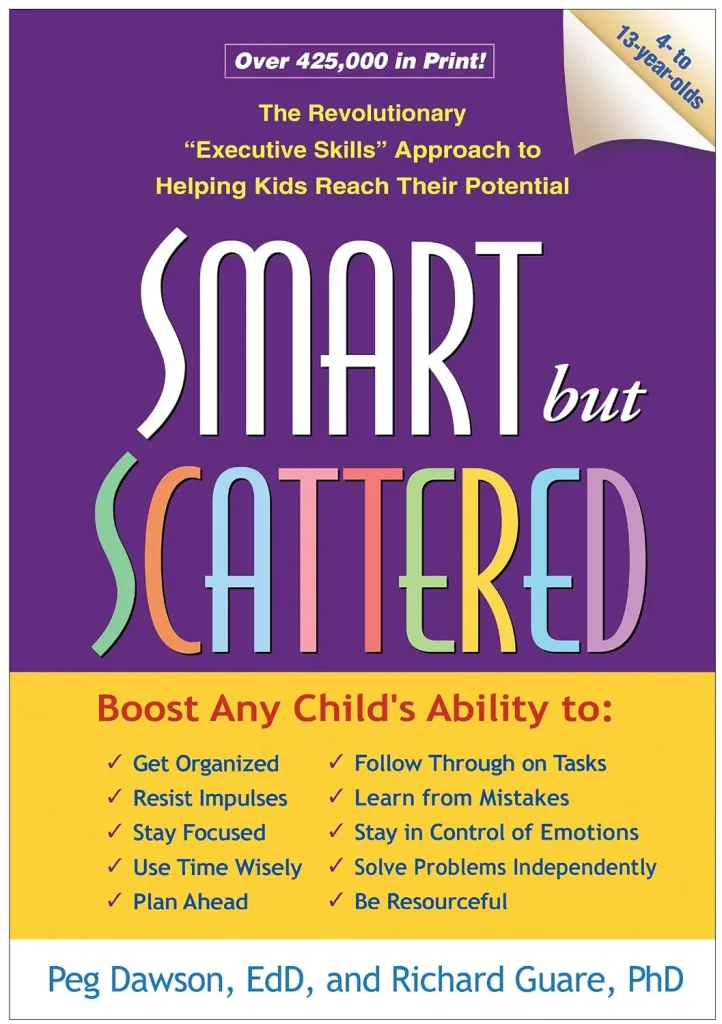
This practical workbook supplies customizable plans to strengthen impulse control through environmental modifications, routine charts, and progressive incentive models. Smart but Scattered teaches parents how to provide appropriate scaffolding for an impulsive child, gradually removing parental prompts as the child builds internal self-monitoring skills.
- Executive Skills Profile AssessmentHelps parents identify whether their child struggles with emotional control, working memory, or response inhibition.
- Environmental Scaffolding ModelsOutlines ways to adjust the home environment to minimize distractions and reduce triggers for impulsive behavior.
- Progressive Independence FadingTeaches how to systematically transition from parental reminders to self-directed child checklists and routines.
Empower Your Child to Choose Their Reactions
Teaching a child self-control is one of the greatest gifts you can offer, setting them up for academic achievement, strong friendships, and personal confidence.
By applying the neurological insights, practical boundary frameworks, and self-regulation tools from these three exceptional books, you can guide your child past impulsive outbursts and help them develop lifelong emotional mastery.
Did this article help you see things differently? Our books turn helpful ideas into practical tools you can return to anytime.



Break the Anxiety Circle
$19.90

From Debt to Wealth
$19.90


