Feeling overwhelmed by your thoughts is something that can happen even on an ordinary day. You might finish work, make dinner, and finally sit down, only to realize that your mind is still working through an uncomfortable conversation from the morning. Nothing is happening in the moment, yet your brain keeps looking for something to solve. Over time, that constant mental activity can become just as exhausting as physical stress.
Reading can be a useful way to step back from that cycle. The right book can give you language for experiences that are difficult to explain and, more importantly, help you see your thoughts from a different perspective. If anxiety and overthinking have become regular parts of your life, these five books are worth exploring.
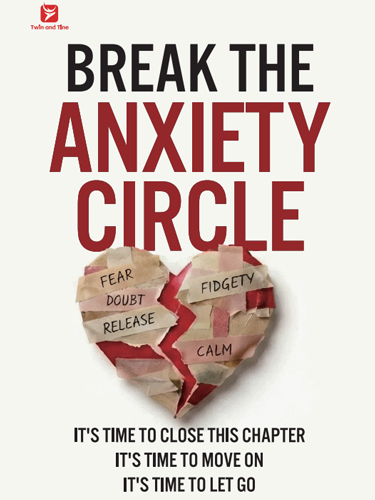
Break the Anxiety Circle by Miles Carter
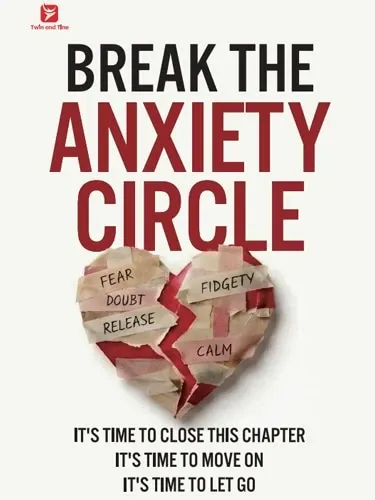
Best for understanding repeating anxiety patterns
Break the Anxiety Circle by Miles Carter focuses on the repetitive patterns that can keep anxiety going. Instead of treating every worry as an isolated problem, the book encourages readers to look at the larger cycle behind anxious thinking.
It is particularly relevant for people who notice themselves repeatedly analyzing conversations, imagining negative outcomes, or looking for reassurance.
The book explores how anxious thoughts can influence emotions and behavior and how recognizing those patterns can become the first step toward changing them.
For readers who want a practical starting point for understanding their own anxiety cycle, this is the most directly relevant choice on the list.
The Anxiety and Phobia Workbook by Edmund J. Bourne
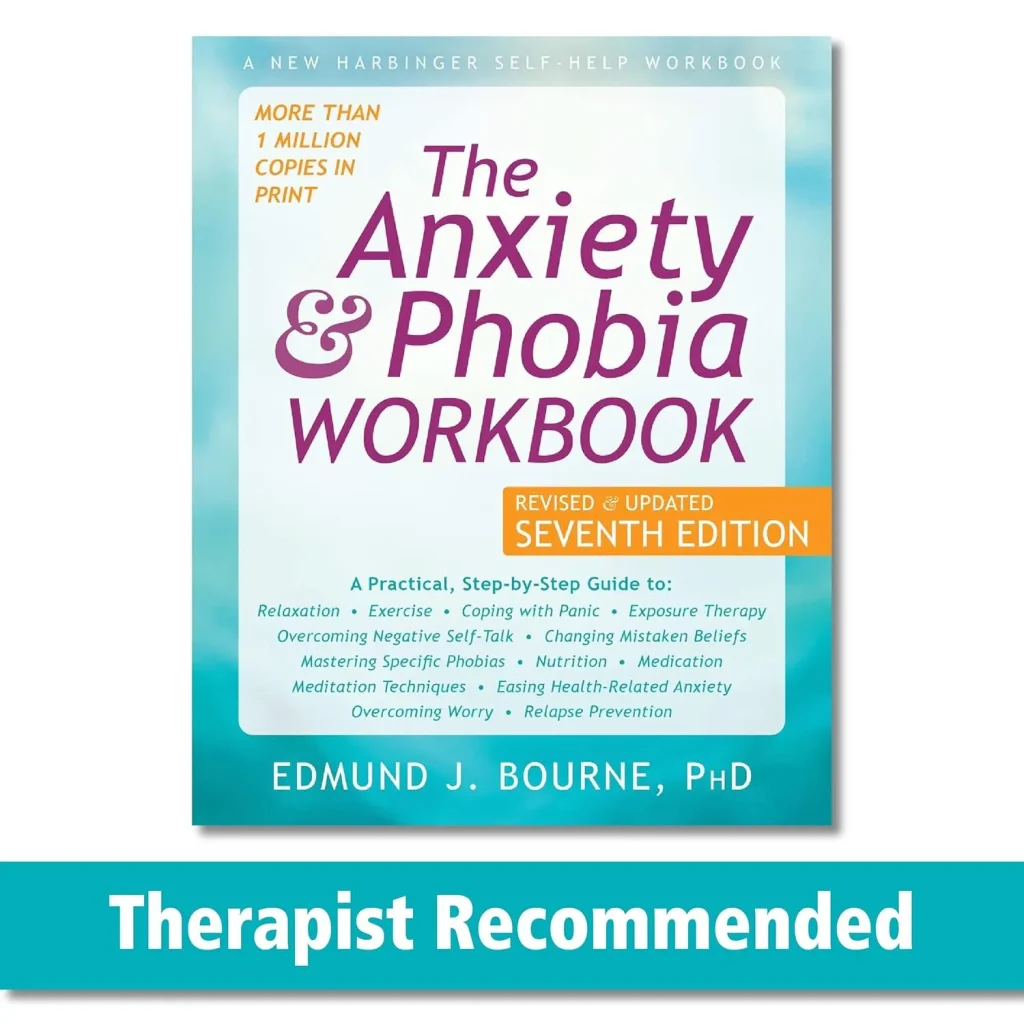
Best for practical anxiety-management strategies
The Anxiety and Phobia Workbook takes a more exercise-oriented approach to anxiety. It covers different forms of anxiety and provides practical techniques that readers can work through themselves.
Its broad coverage makes it useful for people who want a structured resource rather than a purely conceptual discussion of anxiety.
The Untethered Soul by Michael A. Singer
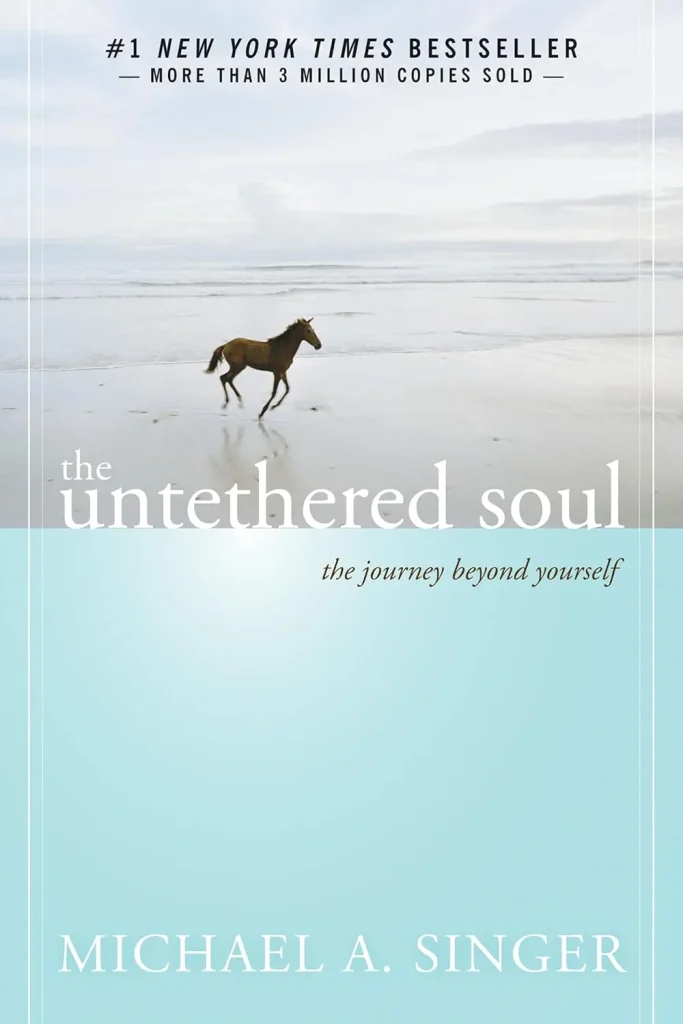
Best for creating distance from persistent thoughts
Sometimes the problem is not simply that you have anxious thoughts, but that you become completely absorbed in them.
The Untethered Soul explores the relationship between the inner voice and the person experiencing that voice. Its perspective can help readers consider whether every thought deserves their attention.
For someone who spends a lot of time mentally replaying situations, this shift in perspective can be meaningful.
Emotional Agility by Susan David
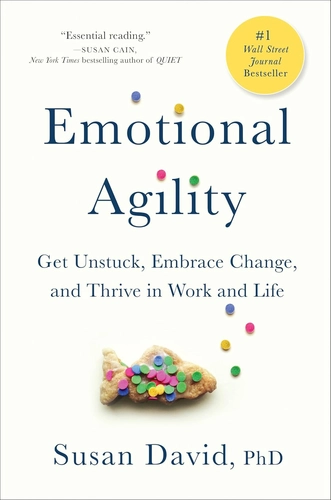
Best for handling difficult emotions more effectively
Emotional Agility focuses on how people relate to uncomfortable emotions rather than simply trying to eliminate them.
The book encourages readers to recognize emotions, understand what they may be communicating, and make choices that align with their values.
This makes it especially relevant for people who want to become emotionally stronger without pretending that difficult feelings do not exist.
Unwinding Anxiety by Judson Brewer
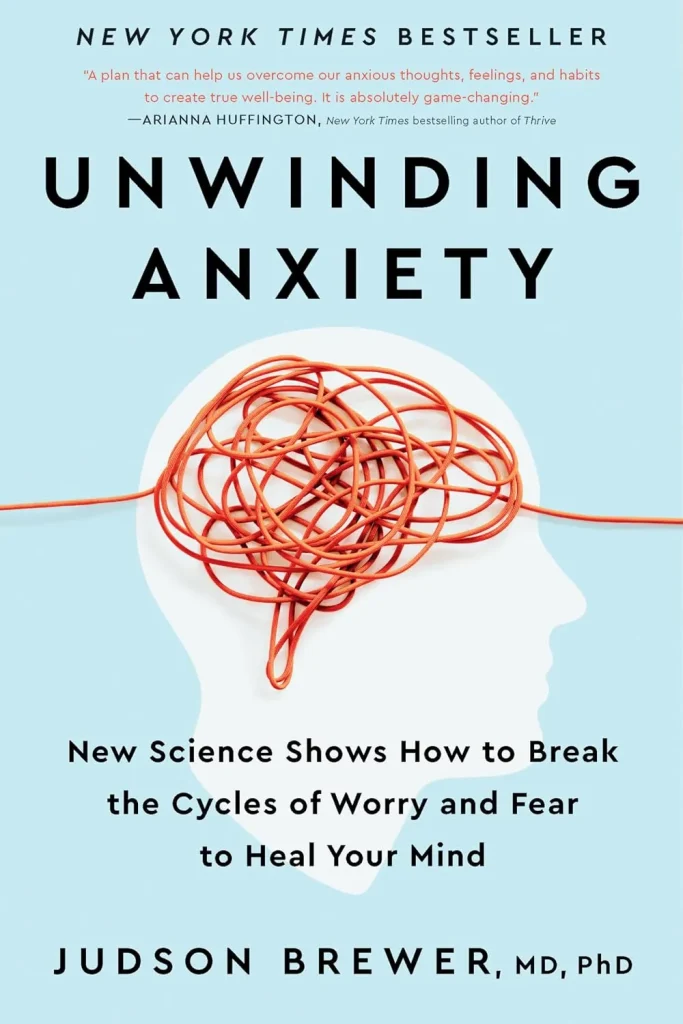
Best for understanding the habit loop behind anxiety
Unwinding Anxiety examines anxiety through the lens of habits and behavioral patterns.
The book explores how worry can become a learned loop and how greater awareness can help people begin to interrupt it.
This approach is useful for readers who feel that anxiety has become automatic rather than something they consciously choose.
What Should You Look for in a Book About Anxiety?
Not every anxiety book will be useful for every reader.
Some focus on practical exercises, while others emphasize mindfulness, emotional awareness, or behavioral patterns.
Look for a book that matches your actual struggle.
If your biggest problem is repetitive worry, a book about thought patterns may be more useful than a general wellness guide.
Pay attention to practical value.
A helpful book should give you ideas that you can apply to ordinary situations rather than simply describing anxiety.
Give yourself time to absorb the ideas.
Personal growth rarely happens because you finish one chapter. The value often comes from returning to an idea and applying it in your own life.
Final Thoughts
The goal of reading about anxiety is not to become someone who never worries. Everyone experiences uncertainty and difficult emotions.
The more realistic goal is to understand your mental patterns well enough that they no longer control every decision or moment of your day.
Among these books, Break the Anxiety Circle by Miles Carter is particularly relevant for readers who want to understand the repeating cycle behind anxiety and begin developing healthier ways to respond to it.