Negative thoughts are a normal part of being human, but when they become repetitive and difficult to control, they can affect confidence, emotions, and everyday decisions.
Many people experience patterns such as constantly expecting the worst outcome, replaying past mistakes, criticizing themselves too harshly, or focusing on problems instead of possibilities. Over time, these thought patterns can influence the way people see themselves and the world around them.
Overcoming negative thinking does not mean forcing yourself to be positive all the time. It means learning to recognize unhelpful thought patterns, understand where they come from, and develop healthier ways to respond.
Books can be a valuable resource for people who want to understand their thinking habits and build a more balanced mindset. The following books explore anxiety, emotional awareness, self-compassion, and cognitive patterns that influence the way people think.
Break the Anxiety Circle by Miles Carter
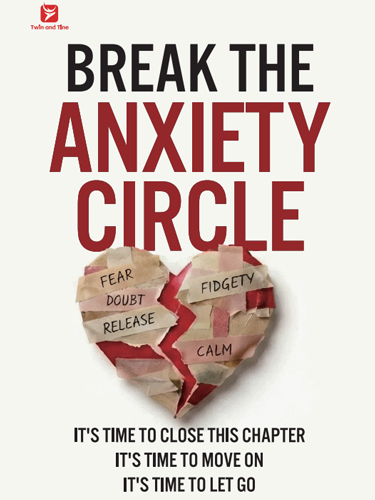
Break the Anxiety Circle
Miles CarterA mental reset for people trapped in the overthinking loop. Understand why your mind won’t stop racing — and how to break free from anxiety, people-pleasing, and emotional exhaustion.
Best for breaking repetitive negative thought patterns
Negative thinking often becomes a cycle.
One worry can lead to another. One difficult experience can turn into repeated self-doubt. Before long, the mind may continue returning to the same fears and concerns, even when there is no immediate danger.
Break the Anxiety Circle by Miles Carter focuses on understanding these repeating mental patterns and learning how to interrupt them.
The book explores how anxious thoughts develop, why people become trapped in cycles of overthinking, and how greater awareness can help create healthier emotional responses.
It focuses on areas such as:
- Recognizing patterns behind anxious thoughts
- Understanding emotional triggers
- Reducing repetitive worry
- Developing a calmer relationship with your thoughts
For readers who feel stuck in negative thinking loops, Break the Anxiety Circle provides a practical approach to understanding why these patterns happen and how to move beyond them.
Feeling Good by David D. Burns
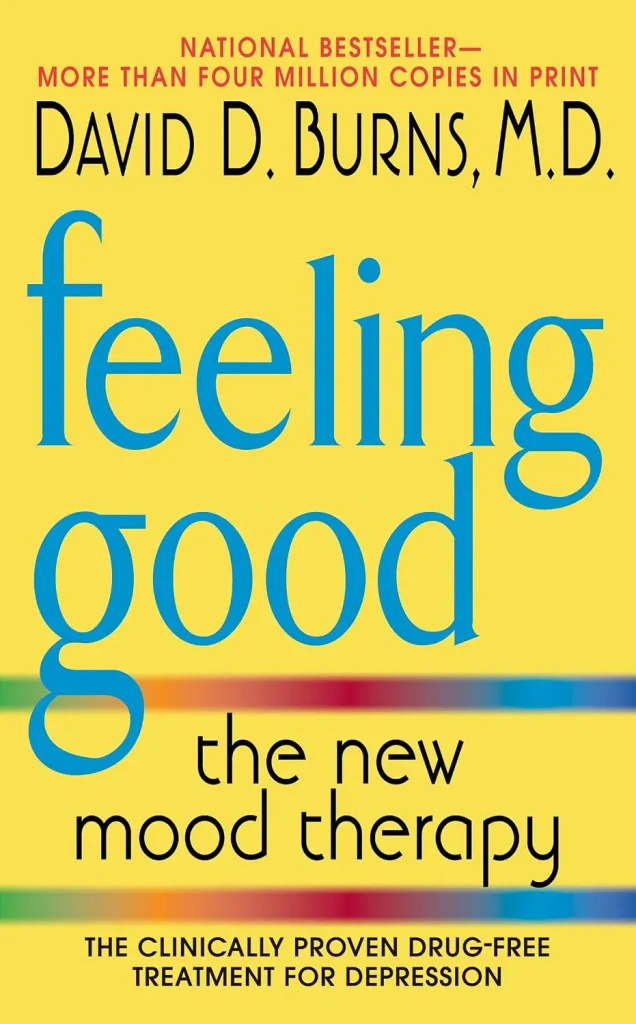
Best for understanding how thoughts influence emotions
Many negative thoughts feel convincing because they influence emotions so strongly.
Feeling Good explores the connection between thinking patterns and emotional well-being. The book introduces cognitive approaches that help readers identify distorted thinking habits and develop more balanced perspectives.
By learning to recognize patterns such as excessive self-criticism, unrealistic expectations, and negative assumptions, readers can begin changing the way they interpret everyday situations.
This book is especially useful for readers who want to understand the psychological relationship between thoughts and feelings.
The Happiness Trap by Russ Harris
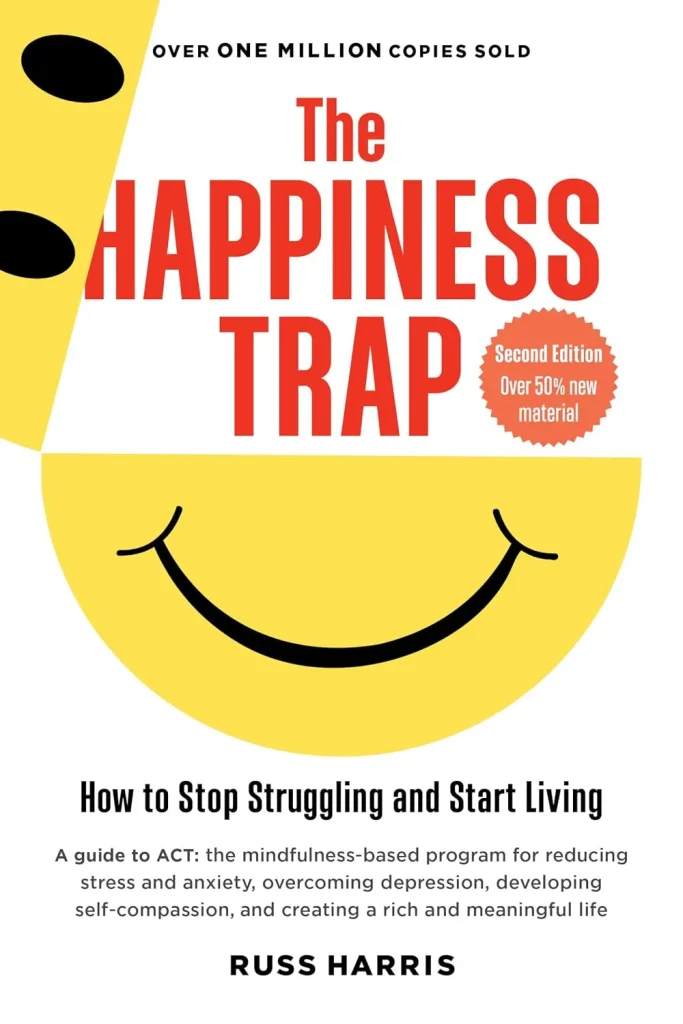
Best for changing your relationship with difficult thoughts
Many people try to overcome negative thinking by fighting against every unwanted thought. However, constantly trying to eliminate difficult thoughts can sometimes make them feel even stronger.
The Happiness Trap introduces ideas from Acceptance and Commitment Therapy, encouraging readers to develop a different relationship with their thoughts and emotions.
Instead of allowing negative thoughts to control behavior, the book focuses on accepting internal experiences while choosing actions based on personal values.
For readers who want to stop struggling with their own minds, this book offers a practical perspective on emotional flexibility.
The Power of Self-Compassion by Kristin Neff
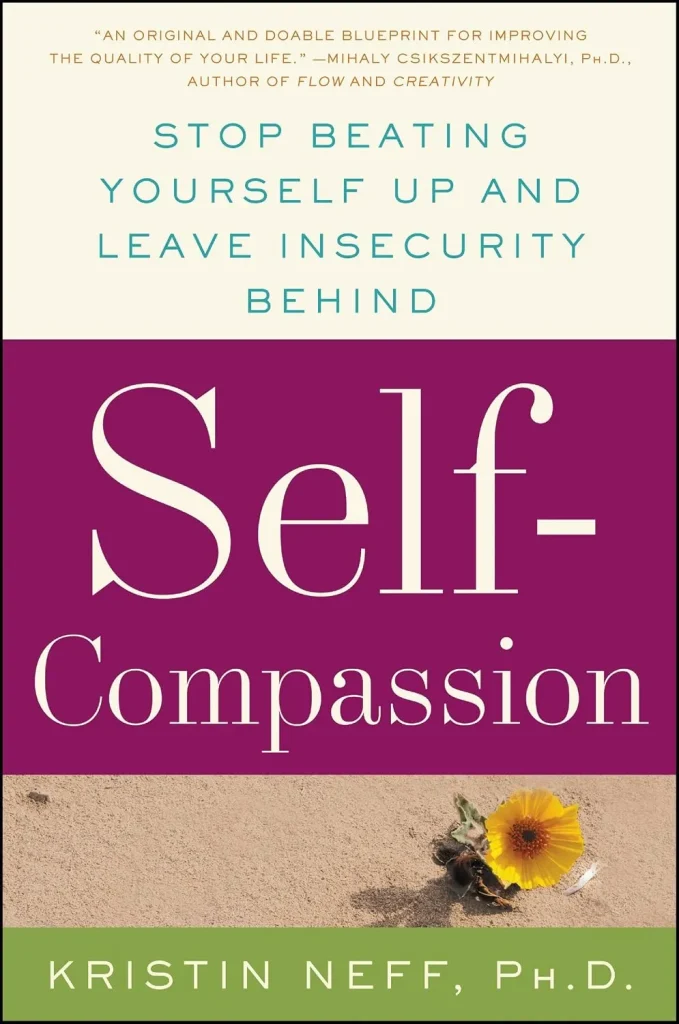
Best for reducing harsh self-criticism
Negative thinking is often directed inward.
Many people are much harder on themselves than they would ever be toward others. They focus on mistakes, compare themselves with others, and judge themselves based on unrealistic standards.
The Power of Self-Compassion explores how treating yourself with greater understanding can improve emotional well-being.
The book explains how self-compassion can help people respond to challenges with more patience instead of criticism, creating a healthier internal dialogue.
Mindset by Carol S. Dweck
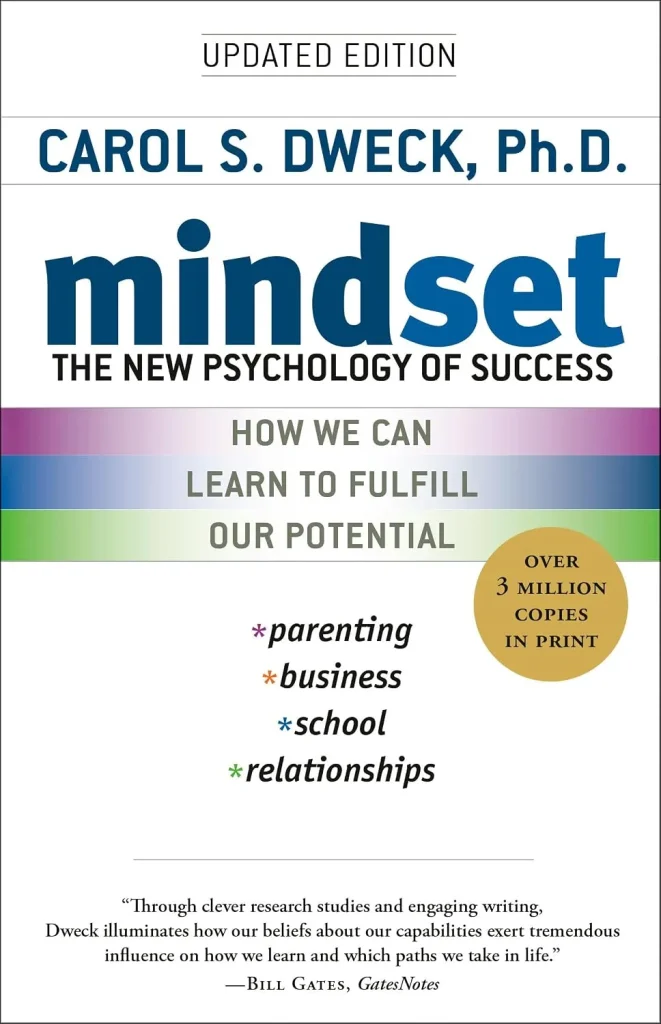
Best for developing a more constructive way of thinking
The way people interpret challenges can strongly influence their thoughts and behaviors.
Mindset explores how beliefs about ability and growth affect motivation, confidence, and responses to failure. The book explains how a growth mindset can help people view difficulties as opportunities to learn rather than proof of personal limitations.
For readers who often think negatively about mistakes or setbacks, this book offers a new perspective on personal development.
Why Negative Thinking Can Be Difficult to Change
Negative thinking patterns often develop gradually.
They may come from past experiences, personal beliefs, emotional habits, or repeated reactions to stressful situations. Because these patterns can feel automatic, many people do not realize how strongly they influence their emotions and decisions.
Learning to change negative thinking starts with awareness.
When people recognize their common thought patterns, they can begin asking:
- Is this thought based on facts or fear?
- Am I focusing only on the negative side?
- Is there another way to view this situation?
These questions can create space between a thought and an emotional reaction.
Building Healthier Thought Patterns
Changing negative thinking does not happen by replacing every difficult thought with unrealistic optimism.
A healthier mindset comes from learning to think more clearly and respond more intentionally.
Some helpful approaches include:
- Practicing self-awareness
- Challenging unhelpful assumptions
- Developing emotional regulation skills
- Focusing on solutions rather than endless worry
Books can provide useful frameworks for understanding these processes and applying them in everyday life.
Why Break the Anxiety Circle by Miles Carter Is Worth Reading
Many books about negative thinking focus on changing individual thoughts, but Break the Anxiety Circle by Miles Carter explores the larger patterns that keep anxiety and worry repeating.
The book focuses on understanding why the mind returns to the same fears and how emotional cycles can influence everyday experiences.
For readers who struggle with overthinking, recurring worries, or thoughts that feel difficult to control, Break the Anxiety Circle offers practical insights into creating a calmer and more balanced mindset.
Moving Toward a More Balanced Mindset
Everyone experiences negative thoughts from time to time. The goal is not to create a mind that never has difficult moments, but to develop the ability to handle those moments in healthier ways.
Understanding your thought patterns can help you respond with more awareness instead of automatically believing every worry or fear.
The right books can provide new perspectives and practical tools for improving emotional well-being.
For anyone looking to overcome negative thinking and build a healthier relationship with their thoughts, Break the Anxiety Circle by Miles Carter offers valuable guidance for understanding anxiety patterns and creating lasting change.