I remember the first time I told my doctor I thought I had anxiety. She looked at me, nodded, and said, “You’re a woman in your thirties. It’s not surprising.” I didn’t know whether to feel relieved or dismissed.
Turns out, she was right about one thing. Women are more than twice as likely to experience anxiety as men. But that doesn’t mean we should just accept it as normal. I spent years thinking my racing heart and constant worry were just part of being a woman. They weren’t. They were symptoms. And once I named them, I could finally do something about them.
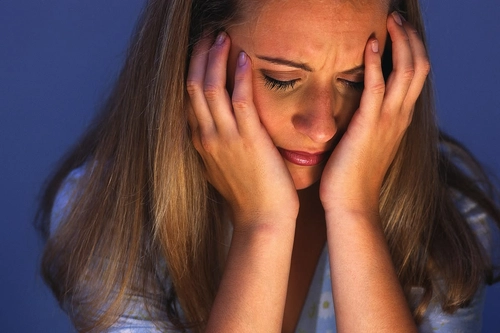
Quick Answer: What are the common female anxiety symptoms?
Female anxiety symptoms include persistent worry, irritability, racing heart, muscle tension, headaches, fatigue, trouble sleeping, and gastrointestinal issues. These symptoms often get worse during hormonal shifts like menstruation, pregnancy, or perimenopause.
What Female Anxiety Symptoms Look Like
Anxiety doesn’t always look like panic attacks. Sometimes it’s more subtle. A knot in your stomach that won’t go away. A constant sense of dread. Irritability that comes out of nowhere. Trouble sleeping even when you’re exhausted.
I experienced all of these. I thought I was just stressed. I thought it was normal. I told myself that everyone feels this way. But it wasn’t normal. It was my body trying to tell me something.
Some common symptoms to watch for:
- Persistent worry that you can’t shake
- Feeling irritable or on edge
- Racing heart or rapid breathing
- Sweating or trembling
- Muscle tension
- Headaches
- Fatigue
- Difficulty concentrating
- Sleep problems
- Stomach issues
If you’re experiencing several of these, it might be time to talk to someone.
Why Anxiety Is Different for Women
Hormones play a big role. I noticed my anxiety got worse right before my period. I couldn’t figure out why. My doctor explained that estrogen and progesterone affect brain chemistry. They influence the same neurotransmitters that regulate mood.
Pregnancy and postpartum are other vulnerable times. I had friends who felt anxious for the first time after giving birth. They felt guilty about it. They thought they should be happy. But postpartum anxiety is real. It’s common. And it’s treatable.
Perimenopause and menopause also cause hormonal shifts. These can trigger anxiety. I recently went through this with my mom. She thought she was losing her mind. She wasn’t. She was going through a biological transition that no one had prepared her for.
The Pressure to Be Perfect
There’s also the social pressure. Women are often expected to be caregivers. We’re expected to manage the household. Raise the kids. Look after aging parents. Hold down a job. Look good doing it. Smile while we do it.
That’s a lot.
And when we can’t do it all, we feel like we’re failing. I used to feel guilty every time I asked for help. I thought I should be able to handle everything. But the truth is, no one can handle everything.
A friend of mine, Sarah, once told me: “I stopped trying to be Superwoman the day I realized I was actually just exhausted.” That hit me. Because I was exhausted too. I just didn’t want to admit it.
Physical Symptoms and Misdiagnosis
This is where things get tricky. Anxiety can cause real physical symptoms. Chest pain. Stomach issues. Headaches. These are real. They’re not imagined.
But sometimes doctors miss the anxiety part. I had a friend who spent months seeing specialists for stomach problems. She got tested for everything. Nothing helped. Finally, someone suggested anxiety. She started therapy. Her symptoms improved. Her stomach wasn’t the problem. Her nervous system was.
On the flip side, sometimes physical conditions are mistaken for anxiety. If something feels off, ask questions. Push for answers. You know your body.
How to Get Help
If you’re struggling, here’s what I’d suggest.
Track your symptoms. Write down when they happen and what you’re feeling. This helps you spot patterns and helps your doctor understand what’s going on.
Talk to your doctor. Be honest about what you’re experiencing. It’s not a sign of weakness. It’s a sign of strength.
Ask about options. Therapy and medication both help. Cognitive behavioral therapy can be especially effective. Some people need medication. Some don’t. The right approach depends on you.
Make lifestyle changes. Exercise helps. Sleep helps. Eating well helps. Limiting caffeine and alcohol helps. Small changes can make a real difference.
Let people help. This was the hardest one for me. I didn’t want to burden anyone. But the people in your life are there for a reason. Let them in.
You’re Not Alone
I wish someone had told me this years ago. Anxiety isn’t your fault. It’s not a personal failure. It’s a response to stress, biology, and lived experience. It’s common. It’s treatable. And it doesn’t define who you are.
If you’re reading this and you see yourself in it, you’re not alone. You’re not broken. You’re a woman navigating a complicated world. And you deserve compassion.