Quick Answer:
Fidgeting body language meaning usually refers to nervous energy, stress, or emotional discomfort being released through small physical movements like tapping, twisting, or shifting. It can also signal excitement or focus depending on context.
I still remember my son’s third-grade poetry recital. He stood frozen, one hand twisting the hem of his shirt so hard I thought the fabric might tear. His eyes darted everywhere but the audience. Watching him, I recognized that familiar mix of nerves and helplessness—the exact same energy I used to feel before big meetings. It was then I started wondering: what does fidgeting body language meaning really tell us about our kids?
Maybe you’ve noticed it too. A tapping foot during homework. Nail biting before a playdate. Cracking knuckles while waiting for a turn to speak. Those small, restless movements aren’t just annoying habits. They’re a quiet signal our children’s bodies are sending when words can’t. And once I understood that, I stopped seeing fidgeting as a problem and started seeing it as a message.
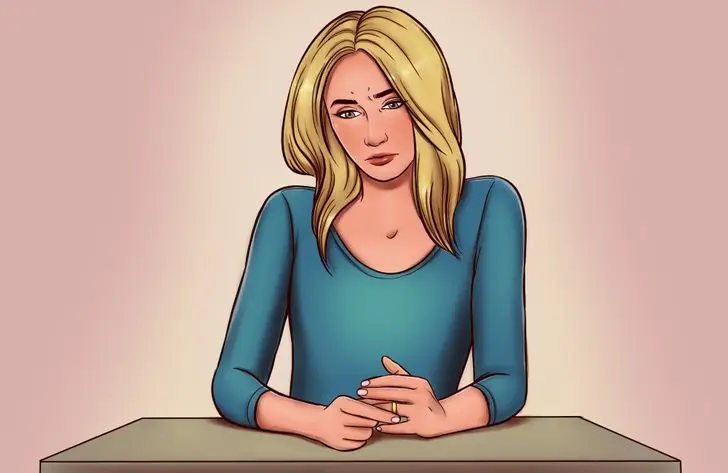
What Fidgeting Body Language Meaning Really Tells Us About Our Kids
Have you ever watched your child fidget and thought, “Do I need to correct this?” I did. But here’s what I learned: fidgeting body language is rarely about defiance or boredom. It’s usually a release valve for nervous energy. When stress or anticipation floods the body, adrenaline surges. Kids, like adults, need an outlet—tapping, twisting, chewing, rocking—to self-soothe without even realizing they’re doing it.
Communications expert Leil Lowndes explains that fidgety movements often come across as discomfort, tension, or distraction. Adults might mistake them for insincerity. But when I see my daughter bouncing her leg during a math test or my son picking at his fingers before soccer tryouts, I know the truth. Their bodies are saying, “I’m overwhelmed, and I’m trying to feel safe.” The twelve most common signs of nervousness—pacing, fidgeting, nail biting, avoiding eye contact, voice quivers—look different on every child. My son is a shirt-twister. My friend’s daughter hums under her breath. Neither is broken. Both are coping.
Of course, not all fidgeting means fear. When my daughter is excited to tell me about her day, she bounces on her toes and fiddles with her bracelet. Dr. Albert Mehrabian noted that nervous behaviors often spike around moments of emotional importance. So fidgeting body language meaning shifts with context—it’s not one-size-fits-all.
How to Help Your Child with Fidgeting Body Language So They Feel More Confident
After that agonizing poetry recital, I realized I couldn’t just tell my son, “Stop fidgeting.” Instead, I learned to help him read his own signals and choose a different outlet.
The first step was awareness. I started a low-pressure game: “Let’s be body detectives.” He began noticing his own patterns without shame.
Then we practiced replacement behaviors: a squeeze ball, feet grounded, slow breathing, or hands relaxed at sides.
Leil Lowndes suggests that open body posture can influence confidence. So we practiced standing tall, relaxed shoulders, calm hands.
A simple phrase helped him reframe it:
“My wiggles mean I care. I can let them go.”
The “Calm Body, Brave Voice” Warm-Up Ritual
Step one: shake out nervous energy.
Step two: superhero pose for 20 seconds.
Step three: three slow belly breaths saying “I am ready.”
This helped transform fidgeting body language meaning from anxiety into readiness.
Fidgeting Across Ages: Toddlers to Teens
Fidgeting changes with age—from sleeve chewing to knee bouncing—but always reflects internal regulation needs.
When Fidget Toys Help (and When They Distract)
Fidget tools help when they support focus, not avoidance. The key question: does it increase presence or reduce it?
Frequently Asked Questions About Fidgeting Body Language
Q: What is fidgeting body language meaning in simple terms?
A: It usually means nervous energy, discomfort, or emotional activation being released through movement.
Q: Is fidgeting always anxiety?
A: No. It can also reflect excitement, focus, or habit.
Q: How can I tell if it is a problem?
A: It becomes a concern if it affects learning, relationships, or causes distress.
Q: Can fidgeting be helpful?
A: Yes. It can help some children regulate attention and emotional energy.
One Last Thing
A year later, my son stood on stage again. His hands were calm. Not because the nerves disappeared, but because he understood them. Fidgeting body language meaning was no longer something to fight—it was something to read.