Turning 30 can bring an uncomfortable realization: you may be earning more than ever, yet still feel like you have little to show for it.
Your income has grown. Your lifestyle has grown with it. The bills are bigger now—rent or mortgage, car payments, insurance, the occasional dinner that somehow costs what a week of groceries used to. Credit card balances linger longer than expected. Student loans barely seem to move. And somehow, despite earning more than you did in your 20s, you still wonder where the money went.
In your 20s, you could tell yourself you had time. Time to save. Time to figure it out. Time to get serious. You told yourself that future you would handle it.
Now future you is here. And the financial habits you ignored in your 20s are harder to ignore.
If this sounds familiar, you are not alone. And you are not too late.
The three books below offer a practical roadmap: fixing your financial foundation, building better systems, and creating a long-term wealth strategy.
From Debt to Wealth by Owen Pierce
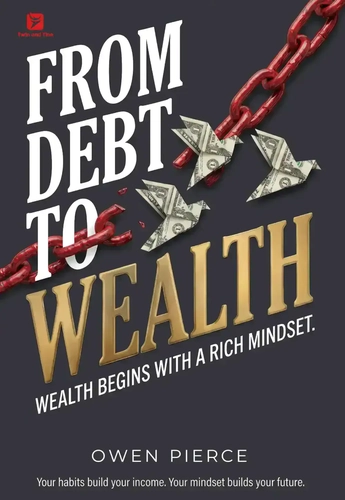
The mindset shift behind building wealth
Many people enter their 30s believing the next raise will finally solve their money problems. Pierce challenges that assumption.
He argues that wealth does not begin with earning more. Before you can build wealth, you have to understand the habits, decisions, and beliefs that keep you stuck in the first place. He explains why a salary is a starting point, not a destination. Why luxury is often a display of money you do not have. Why simply trading more hours for income has a ceiling.
The book shifts how you think about money. You stop asking “how do I make more?” and start asking “where is my money actually going and what is it building?”
This is the mindset shift many people need. Before you can build wealth, you have to stop living in survival mode. And you have to stop confusing effort with progress. This mindset creates the foundation for the financial decisions that follow.
The One-Week Budget by Tiffany Aliche
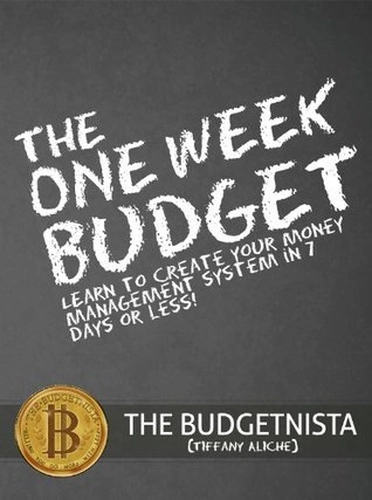
How to take control
Many people avoid budgeting because they think it means tracking every purchase forever. They try apps. They try spreadsheets. Nothing sticks.
Aliche’s approach is different. Instead of making budgeting a full-time job, she focuses on getting clear on your numbers and then automating the right behaviors. The biggest lesson is that financial stress often comes from not knowing your numbers. You cannot make confident decisions when your income, expenses, debt, and goals all exist as vague ideas in your head.
For people in their 30s, this is essential. You do not have the time or energy to obsess over every dollar. You need a system that works without constant attention.
The Index Card by Helaine Olen and Harold Pollack
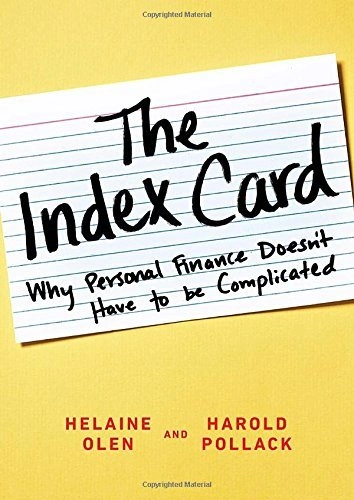
How to build long-term wealth
Many people think personal finance is complicated. They assume that people who are good with money know something they do not.
This book strips away the complexity. It grew from Pollack’s famous idea that much of personal finance can be reduced to a few simple principles. The book focuses on a simple idea: most people do not need more financial information. They need a few reliable principles they can follow consistently: controlling spending, avoiding high-interest debt, and investing consistently.
For anyone in their 30s, this book is a reality check. You do not need a complicated strategy. You need to follow the simple rules consistently.
What These Books Teach You
Your 30s are not the point where you are supposed to have everything figured out. They are often the decade when you finally realize which financial habits are worth keeping and which ones need to change. The earlier you start, the more time your money has to grow. But starting at 35, 40, or even 50 is still better than never starting at all.
The first book helps you rethink your relationship with money. The second helps you build a system. The third helps you stay focused on principles that work over decades.
The goal is not to become wealthy overnight. It is to build the habits and systems that make wealth possible over time.
FAQ
Is it too late to start building wealth in my 30s?
No. Many people do not seriously focus on money until their 30s. The important thing is not when you started. It is whether your next financial decisions are different from your previous ones.
What is the most common financial mistake people in their 30s make?
Lifestyle inflation. Increasing spending at the same rate as income. The solution is to save the difference first, before your spending can catch up.
What should I focus on financially in my 30s?
Start with the basics: control your spending, eliminate high-interest debt, build an emergency fund, and invest consistently.
Should I pay off debt or invest first?
Focus on high-interest debt first. If your debt has a low interest rate, you can split your money between paying it down and investing. The best path depends on your specific numbers.
