You have watched people behave in ways that make no sense.
A colleague who seems supportive but competes behind your back. A friend who says they care but never shows up. A partner who promises change but never delivers.
You want to understand why they do it.
The three books below each answer a different part of that question. One gives you a practical framework for reading everyday behavior. One explains why we cooperate with some people and compete with others. One reveals the hidden forces beneath every decision you make.
Why Most Books on Human Behavior Leave You More Confused
Here is the problem with most books about human behavior. They are either too academic—dense with studies you cannot apply—or too simplistic—reducing people to personality types and checklists.
The really useful books do not just describe behavior. They explain the force behind it.
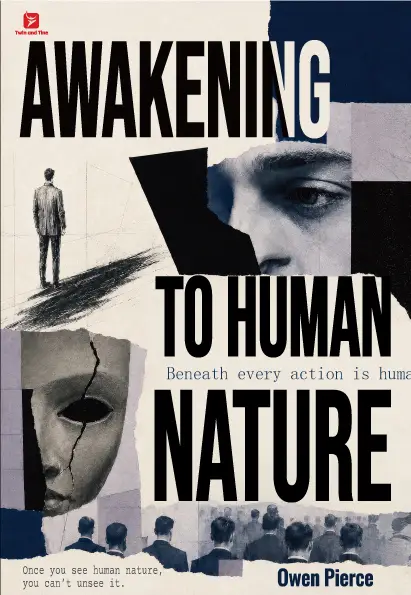
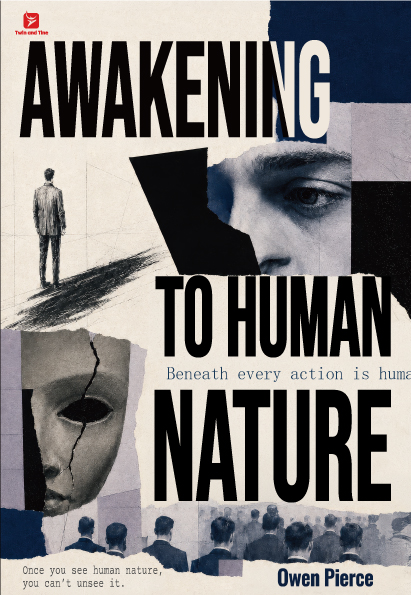
Awakening to Human Nature by Owen Pierce
A practical framework for understanding why people do what they do.
This book strips away the politeness and reveals how people actually operate. It covers why loyalty expires when needs change, why honesty is often punished, why people crave validation over truth, and why kindness is sometimes read as permission to take.
Pierce organizes the book around seven sections: cognitive laws, emotional patterns, desire and interest rules, social dynamics, workplace realities, manipulation tactics, and survival wisdom. Each section targets a different blind spot that keeps people confused about human behavior.
Understanding human nature is not about becoming cynical. It is about becoming clear.
What makes this book essential is the practical application. You learn to recognize manipulation before it costs you. You learn to stop being blindsided by people who do not have your best interests at heart. You learn to see through appearances and understand what people are really communicating.
For anyone who has ever been confused by why people do what they do.
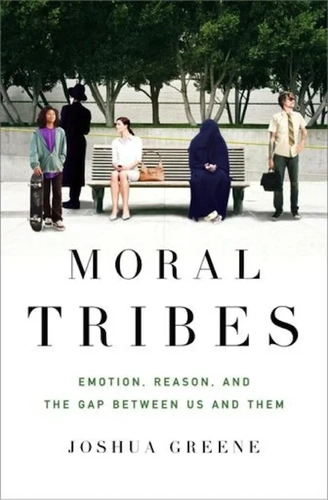
Moral Tribes by Joshua Greene
Why do we cooperate with some people and compete with others?
Greene is a Harvard psychologist who spent years studying how people make moral decisions. His central question is one of the most important in human behavior: how do we balance “me” against “us”?
The book introduces a simple framework: our brains are wired for cooperation within our group, but conflict with other groups. This explains why people can be kind to their own tribe and cruel to outsiders. It explains why political debates are so intense. It explains why we judge others harshly while excusing our own behavior.
Our moral instincts are not broken. They were designed for a different world—small tribes where everyone knew everyone. Now we live in a global society, and our instincts have not caught up.
What makes this book valuable is the honesty about human nature. Greene does not pretend we are always good. He shows how our brains are wired for both cooperation and competition—and how understanding that wiring changes how we see people.
For anyone who has ever been confused by why people treat insiders and outsiders so differently.
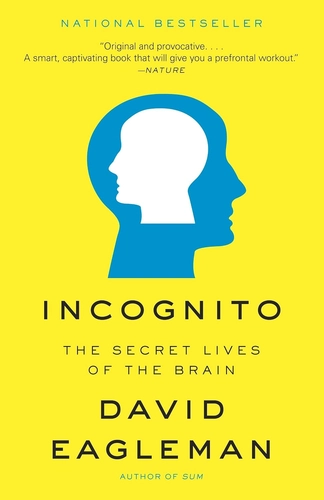
Incognito by David Eagleman
Who is really in charge of your behavior?
Eagleman is a neuroscientist who argues that most of what you do is driven by processes you are not aware of. Your conscious mind is not the CEO of your brain. It is the press secretary. It takes credit for decisions that were made elsewhere.
The book covers how unconscious systems drive everything from attraction to addiction to snap judgments. It explains why you react before you think. Why you feel things you cannot explain. Why your brain makes decisions before you are conscious of them.
You think you are making choices. You are not. Your brain is making choices, and then telling you a story about why you made them.
What makes this book essential is the reframe. You stop believing your own justifications so completely. You stop assuming your first instinct is rational. You start understanding that much of human behavior happens beneath the surface.
For anyone who wants to understand the forces beneath every decision.
These three books each approach human behavior from a different angle.
Pierce gives you a practical framework for everyday interactions. Greene explains the moral instincts that shape cooperation and conflict. Eagleman reveals the unconscious forces beneath every decision.
If you want to stop being confused by people’s behavior, start with the one that matches where you are stuck. Need practical tools for daily life? Start with Pierce. Need to understand why people cooperate or compete? Start with Greene. Need to understand what is driving you beneath the surface? Start with Eagleman.
The one you can use today is the one that matters most.