Three Reads That Rewire How You Think About Money
Most money problems are not math problems. They are habit problems. I learned this the hard way at 34, sitting at a kitchen table with a spreadsheet that said I should have $40,000 saved. The spreadsheet was wrong. I had $3,200.
That gap between what should be and what is? That is where good books on money management come in. Not the ones that promise overnight riches. The ones that make you look at your own patterns and wince a little.
Quick answer: Which money management books actually change your habits?
Start with one that connects mindset to systems, one that reframes money as life energy, and one that gives you a clear plan to crush debt.
I have read maybe twenty personal finance books over the past decade. Three of them actually shifted something in me. The rest were pleasant, forgettable, like eating a salad and calling it dinner.
Here are the three that stuck.
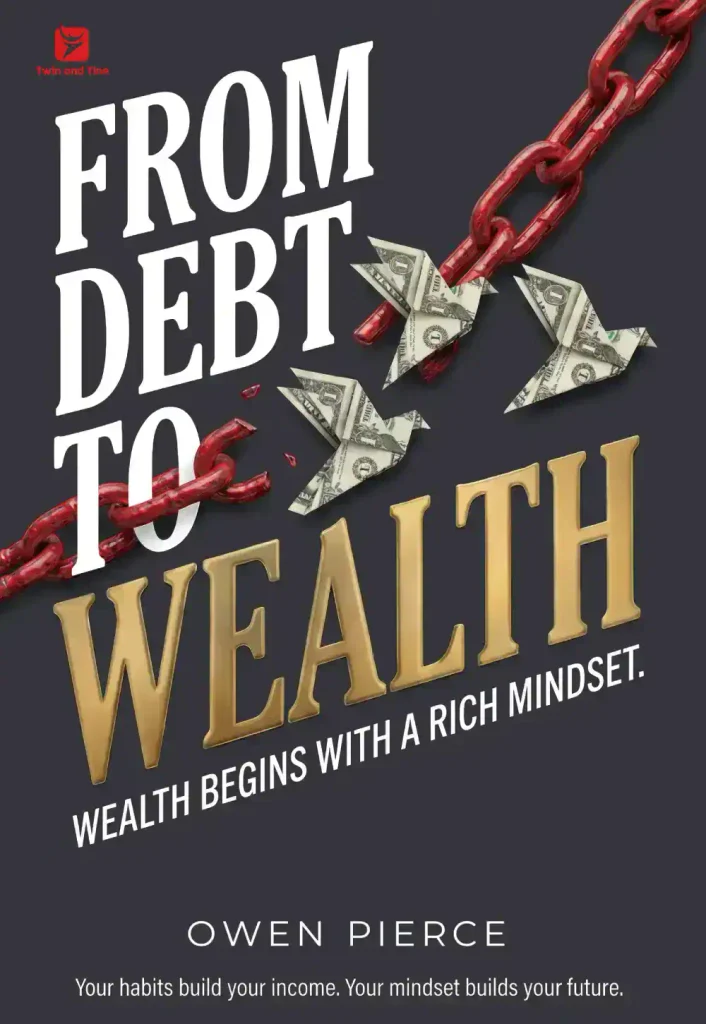
From Debt to Wealth
By Owen Pierce
This is the book I keep coming back to.
What makes it different:
The first chapter reframed things in a way I had not heard before. A salary is a starting point, not the goal. You get richer by owning systems, not by selling time. That sentence sat with me for weeks.
What you get:
| What you learn | Why it matters |
|---|---|
| Assets feed you. Liabilities eat you. | You stop confusing expensive things with wealth |
| A salary is a starting point, not the goal | You stop relying on one income stream |
| Mastery before diversification | You get excellent at one thing, then expand |
| Money is a tool for freedom, not a scoreboard | You spend on what actually matters |
One key idea: Wealth is a reward for cognition, not for hard work. Seeing what others miss creates money.
Best for: Anyone who works hard but is not building anything.
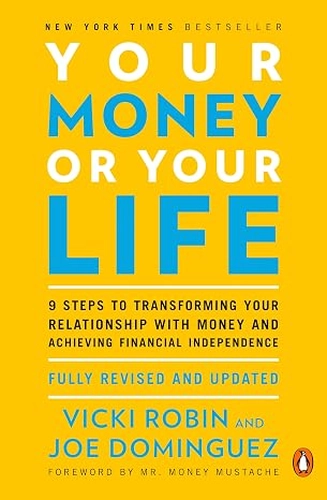
Your Money or Your Life
By Vicki Robin
This is the classic. Published decades ago, revised in 2018, still relevant.
What makes it different:
The core idea is simple. Money is life energy. Every dollar you spend is minutes of your life traded away. That reframe is brutal in the best way.
What you get:
- A nine-step program to transform your relationship with money
- How to calculate what your purchases actually cost in life energy
- How to achieve financial independence
- A philosophical and practical guide to money
One key idea: Money is life energy. Every dollar you spend is minutes of your life traded away.
What I did with it: I calculated that my daily coffee habit cost me about eleven hours of work per year. I did not quit coffee. But I started paying attention.
Best for: Anyone who earns fine but feels like money slips through their fingers.
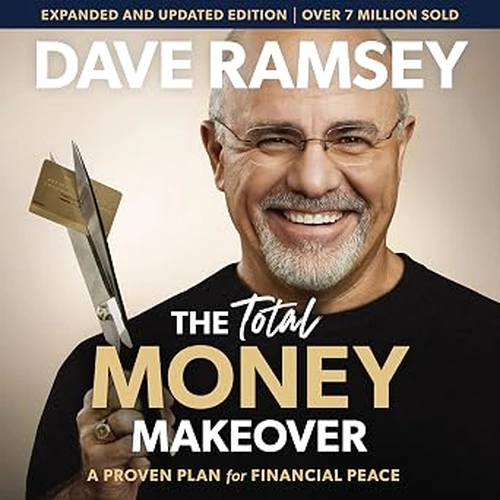
The Total Money Makeover
By Dave Ramsey
This is the one I recommend to friends who need a starting line, not a philosophy.
What makes it different:
It is practical. Sometimes blunt. The debt snowball method, paying smallest debts first for momentum, works for people who need wins, not math.
What you get:
- A proven plan for financial peace
- The debt snowball method
- How to build an emergency fund
- How to get out of debt and stay out
One key idea: You need momentum more than you need math. Small wins build the confidence to keep going.
Best for: Anyone in debt and overwhelmed who needs a clear plan.
What Actually Changed for Me
Books assume a version of you that has already decided. The gap between reading and doing is where most of us live. I can quote principles all day. Living them is different.
Three ideas that helped me.
Pay yourself first. It sounds obvious. It is obvious. But most people invest after spending, which means there is never anything left. I started with $50 a month. Not impressive. But it was automatic, and it grew.
Mastery before diversification. I had been trying to learn about index funds, real estate, and side hustles all at once. Spreading thin. Depth beats breadth early on. Compound growth beats overnight riches.
Time in the game matters more than timing the market. That line alone was worth the read.
| Idea | What it changed |
|---|---|
| Pay yourself first | I saved before I spent, not after |
| Mastery before diversification | I stopped spreading myself thin |
| Time in the game | I stopped trying to time everything perfectly |
Which Book Should You Read First?
| If you are… | Start with… |
|---|---|
| In debt and overwhelmed | The Total Money Makeover |
| Earning fine but money slips away | Your Money or Your Life |
| Working hard but not building anything | From Debt to Wealth |
And honestly? Read one. Not five. One book, applied, beats five books skimmed. I wish someone had told me that ten years ago.
A Small Story About a Coffee Machine
My wife and I had a small argument last year about a coffee machine. Four hundred dollars. She wanted it. I said it was a liability. She said I was being cheap.
We bought it anyway.
Here is the thing. She was right, sort of. The machine replaced our daily cafe runs, which added up to more than four hundred in three months. So it turned into an asset, in a small way. It paid us back.
That is a lesson no book taught me directly. Sometimes the line between liability and asset is about behavior, not the object itself.
Final Thought
Money is a tool for freedom, not a goal in itself. I have read that sentence in three different books now. It never gets less true.
The purpose of wealth is options. The ability to say no. The ability to walk away. The ability to sleep without checking your bank app at 2am.
The books that matter are the ones that help you see this. Not the ones that promise a formula. The ones that make you pause and think about what you actually want.
Start with one book. Try one technique. See what happens.
References
Robin, V., & Dominguez, J. (2018). Your Money or Your Life: 9 Steps to Transforming Your Relationship with Money and Achieving Financial Independence. Penguin Books.
Ramsey, D. (2022). The Total Money Makeover Updated and Expanded: A Proven Plan for Financial Peace. Thomas Nelson.
Pierce, Owen. From Debt to Wealth: A Practical Guide to Building Wealth by Changing How You Think About Money, Work, and Assets.
Did this article help you see things differently? Our books turn helpful ideas into practical tools you can return to anytime.



Break the Anxiety Circle
$19.90

From Debt to Wealth
$19.90


