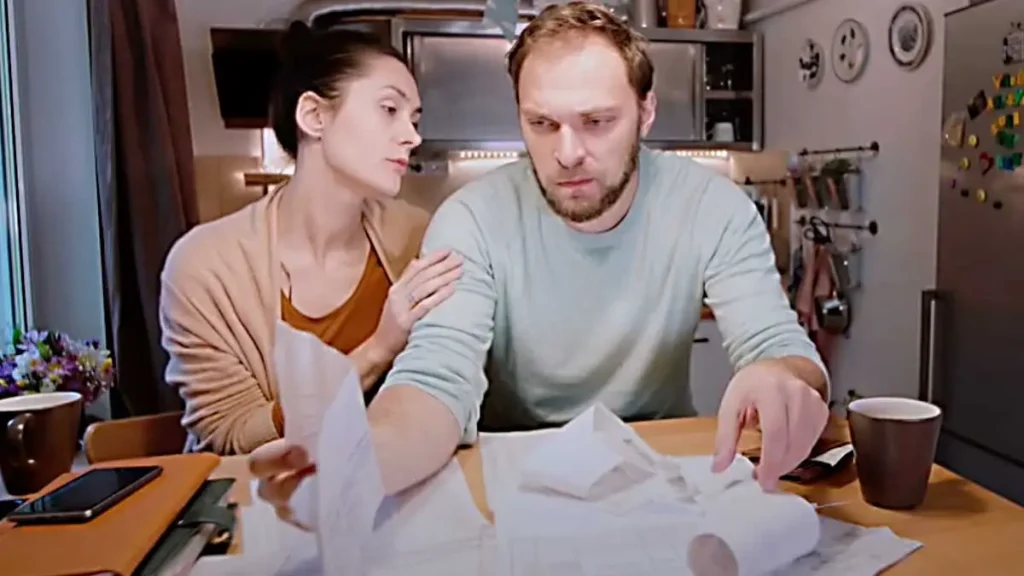
I remember staring at my bank statement on a Tuesday night. The kids were finally asleep and there it was: $42 on pizza delivery, $7 on an energy drink, $12 for a streaming service we never used. Nothing crazy. But that was just one day. I started scrolling. The pattern hit me like a toddler’s tantrum. All these tiny purchases, repeated over and over, were the real habits that keep people poor. Not the car payment. Not the mortgage. The “it’s just a few bucks” stuff.
That night I felt sick. I made decent money. Yet we were always broke. I started digging into why, and what I found changed everything.
What Are Habits That Keep People Poor?
Habits that keep people poor are not big financial mistakes. They are small, repeated daily behaviors that slowly drain your money without you noticing. A coffee here, a delivery order there, a forgotten subscription—it doesn’t feel dangerous in the moment. But over time, it quietly shapes your financial reality.
Why Do Small Money Habits Keep People Poor Without Us Noticing?
We don’t see the damage because it’s boring. It’s not a shopping spree. It’s the vending machine snack every afternoon. The morning coffee shop run. The “I’ll just order DoorDash tonight, I’m too tired to cook.” These habits feel like tiny life rafts in a chaotic parenting day.
The problem is math. A $5 daily soda may sound harmless. Multiply it by 300 workdays and that’s $1,500 gone. Quietly. No wonder we feel stuck.
That habit doubles when boredom hits. Weekend afternoon? We scroll. Rainy day? We shop. These micro-decisions slowly drain our future without warning.
How to Stop the Daily Habits That Keep You Poor (Starting Tonight)
So I started fixing it. Not with strict budgeting that makes you miserable, but with small systems that actually work.
The 48-hour rule: Any nonessential purchase sits in my cart for two days. Most of the time, I forget about it. The urge passes.
Simple cooking rule: I use 7-ingredient meals. Pasta, tacos, sheet-pan chicken. When I’m tired, I don’t think—I just choose.
That small shift alone saved hundreds every month.
The “One Less Latte” Framework
This is simple: every day, remove one habitual expense. Just one.
Skip the vending machine. Bring lunch. Make coffee at home. The goal is not restriction—it’s awareness.
After a week, I realized how automatic these purchases had become. After a few months, I had saved hundreds without feeling deprived.
What Financial Experts Often Emphasize
Many financial experts point out the same pattern: people struggle not because of income, but because of habits like overspending, ignoring savings, and lifestyle inflation.
The most important shift is simple: pay yourself first. Even 10% of income saved automatically changes long-term outcomes.
Lifestyle Creep: The Raise That Keeps You Broke
When income increases, spending often increases with it. This is called lifestyle creep. A raise feels like freedom, but without intention, it disappears into upgrades and convenience.
Instead, setting financial goals before income increases helps protect long-term stability.
The Quiet Trap of Credit Card Debt
Credit cards make spending painless—but debt grows silently. Paying only minimums keeps people stuck for years.
A simple rule helps: if you can’t pay it off this month, don’t buy it.
Q&A: Habits That Keep People Poor
Q: What are the most common habits that keep people poor?
A: Impulse spending, lack of budgeting, ignoring savings, credit card reliance, and daily small expenses that accumulate over time.
Q: Can small habits really keep people poor?
A: Yes. A $5 daily habit can become over $1,500 per year without noticing.
Q: How do I break these habits?
A: Start with awareness. Use delay rules like the 48-hour method and track small spending patterns.
Q: Is budgeting enough?
A: Budgeting helps, but behavior awareness is more important. Once you see patterns, change becomes natural.
One Last Thing
That Tuesday night, I thought I was just bad with money. Turns out I was just human. These habits that keep people poor are not moral failures—they are invisible defaults.
Once I saw them, I could choose differently. Not perfectly. But often enough to change our direction.
Start with just one habit today. Not all of them.