Everyone experiences anxiety from time to time.
A little worry can help you prepare, stay alert, and make thoughtful decisions.
However, certain daily habits can unintentionally make anxiety stronger.
Sometimes, the things we do to feel better in the moment actually keep us trapped in anxious patterns.
You may notice anxiety becoming stronger when you:
- Spend too much time overthinking
- Avoid uncomfortable situations
- Constantly seek reassurance
- Compare yourself to others
- Ignore your emotional needs
The good news is that habits can be changed.
By understanding which behaviors increase anxiety, you can begin creating healthier patterns that support emotional balance.
Here are some common habits that may make anxiety worse.
1. Overthinking Every Possible Outcome
One of the biggest habits that fuels anxiety is constantly analyzing what might happen.
You may spend hours thinking about:
- Future problems
- Possible mistakes
- Other people’s reactions
- Things you cannot control
While thinking carefully can be helpful, endless analysis often creates more fear instead of more clarity.
A helpful question to ask is:
“Am I solving a problem, or am I repeating the same worry?”
Learning to recognize the difference can help you step out of anxious thought loops.
2. Avoiding Things That Make You Uncomfortable
Avoidance can feel like a solution because it reduces stress temporarily.
For example, you might avoid:
- Difficult conversations
- New experiences
- Challenging tasks
- Situations where you feel judged
However, avoiding something repeatedly can teach your brain that the situation is dangerous.
Over time, this can make anxiety stronger.
Small steps toward facing discomfort can help rebuild confidence.
3. Constantly Looking for Reassurance
Asking for support is normal.
Everyone needs encouragement sometimes.
But constantly depending on others to confirm that everything is okay can make it harder to trust yourself.
You may find yourself asking:
“Did I do the right thing?”
“Are you sure everything is fine?”
“Do you think they are upset?”
Instead of always searching for external reassurance, try practicing self-trust.
Learning to calm yourself can create greater emotional independence.
4. Comparing Yourself to Other People
Comparison can create unnecessary anxiety.
When you constantly measure yourself against others, you may focus on:
- What you lack
- Where you are behind
- How you are different
Social media can make this habit even stronger by showing only selected parts of other people’s lives.
Remember that someone else’s progress does not determine your own worth.
Your journey does not need to look like anyone else’s.
5. Ignoring Your Emotions
Some people try to avoid uncomfortable feelings by pretending they are not there.
They tell themselves:
“I should not feel this way.”
“I need to stop worrying.”
“I am overreacting.”
However, ignored emotions often return in stronger ways.
Acknowledging your feelings does not mean letting anxiety control you.
It means understanding what your mind and body are trying to communicate.
Habits That Can Help Reduce Anxiety
Changing anxiety patterns requires replacing unhealthy habits with supportive ones.
Practice Mindful Awareness
Pay attention to your thoughts without immediately reacting to them.
Awareness helps you recognize anxiety patterns before they take control.
Create Healthy Daily Structure
Simple routines around sleep, movement, and personal care can support emotional stability.
Focus on What You Can Control
Redirecting your energy toward your actions can reduce unnecessary worry.
Build Self-Trust
The more you trust yourself, the less you need constant reassurance from others.
Why Do Certain Habits Increase Anxiety?
Anxiety often grows through repeated patterns.
A thought creates a feeling.
The feeling influences your behavior.
The behavior reinforces the original thought.
Over time, this cycle can become automatic.
Breaking anxiety does not require changing everything at once.
It starts with noticing small patterns and choosing healthier responses.
A Book That Helps You Break Anxiety Patterns
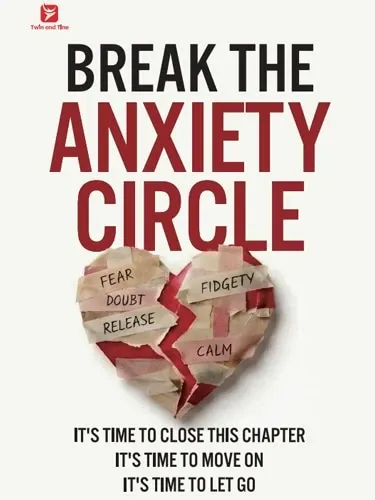
Changing anxiety habits requires understanding the thoughts and behaviors behind them.
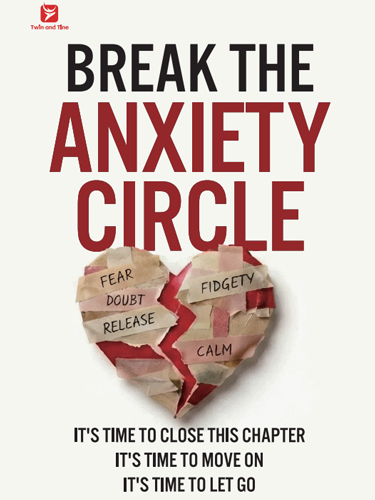
Break the Anxiety Circle by Miles Carter explores how anxiety cycles develop and how people can begin creating healthier emotional patterns.
The book focuses on:
- Recognizing anxious habits
- Understanding repetitive thoughts
- Building emotional awareness
- Developing a calmer mindset
For readers who feel stuck in cycles of worry, stress, or overthinking, this book provides practical guidance for creating more balanced ways of responding to anxiety.
Final Thoughts
Some anxiety habits develop so gradually that we do not notice how much they affect our daily lives.
But the patterns that create anxiety can also be changed.
By becoming aware of overthinking, avoidance, reassurance-seeking, and other behaviors, you can start building a calmer and more confident mindset.
Small changes repeated over time can create meaningful emotional growth.